Add Row
Add Element
cropper
update

Biblical Living Unlocked

Logo - Biblical living unlocked
update
Add Element
  • Home
  • Categories
    • Biblical Parenting
    • Parenting Tips
    • Family Fellowship
    • Bible Teaching
    • Apologetics
    • Community Stories
    • Youth Focus
    • International
    • Walton Evangelical Church
    • Salt Church Mar Menor
    • Salt Church Los Montesinos
    • John Piper
    • News & Offers
Add Element
  • Ken on Facebook
    update
  • update
  • update
  • update
  • update
  • update
  • update
August 25.2025
3 Minutes Read

Struggling with Church Attendance? Discover How to Balance Service and Worship

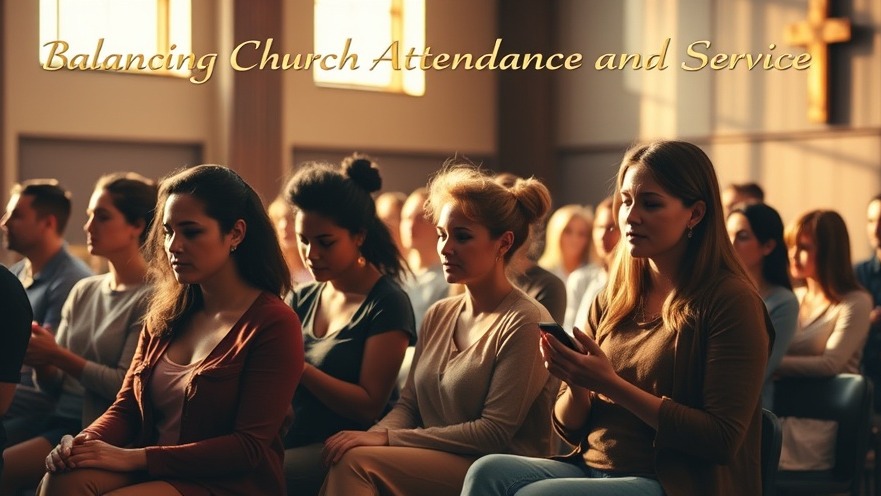
A diverse church community engaged in prayer, symbolizing spiritual growth and faith.


Balancing Church Attendance and Service: A Dilemma for Committed Christians

For many of us, the question of how much church we can miss to serve can often weigh heavily on our hearts and minds. As committed Christians, we strive to fulfill our spiritual obligations, contribute to our communities, and still make time for our own spiritual growth and family connections.

As we face this dilemma, it is essential to remember that church is not just a place we go; it is a community where we connect with God and each other. In a world filled with distractions and demands on our time, maintaining a meaningful connection with both our fellow believers and our faith is more crucial than ever.

Understanding the Importance of Regular Church Attendance

Regular church attendance helps nurture our faith and strengthens our ties with fellow believers. Consider Hebrews 10:25, which encourages us not to neglect meeting together. This gathering serves as a vital means of encouragement, accountability, and spiritual growth.

In attending church regularly, we participate in worship, biblical teaching, and communal prayer—important aspects that feed our spirits and nurture our relationships. By intentionally being part of the church community, we foster an environment where our family can join us in worship and grow together in Christ.

Identifying Opportunities to Serve While Attending Church

Serving others is a core principle of Christianity, reflecting Jesus' own service to humanity. Yet, we must continually ask ourselves how this service impacts our attendance. In many cases, serving within the church can gracefully coexist with attending services.

Consider how your gifts and talents can be utilized both during and outside of regular services. For parents juggling children’s schedules, volunteering at a church event or participating in family-focused service projects can provide an opportunity to connect your service with your family while remaining involved in the church's mission.

Practical Tips for Balancing Service and Attendance

1. **Set Boundaries:** Establish clear commitments for both attending services and serving within the church. This can help manage time effectively without overwhelming you or your family.

2. **Communicate:** Speak with your church leaders about your desire to serve and your commitment to attending services. They may have insights or opportunities that allow for both.

3. **Involve Family:** Make it a family affair! Discuss roles and commitments as a family unit to ensure everyone feels involved and valued.

Cultural Considerations in Different Communities

In many cultures, the emphasis on community and familial ties strongly influences a person's view of church attendance. In some regions, family-oriented church activities may dominate weekends, and balancing attendance with service becomes even more critical. Understanding cultural dynamics can provide insight into how to serve effectively while attending church.

Cross-cultural engagement within the church can also bring new perspectives. Being open to different service roles that may not align directly with traditional church activities can enrich your and your family’s experiences.

Reflecting on the Emotional Impact

For young adults, new believers, and families, the emotions surrounding church attendance often tie closely to spiritual identity and belonging. Skipping services can lead to feelings of guilt or isolation. By maintaining an active connection to the church, whether through attendance or service, we can foster a deeper sense of community and emotional support.

Sharing personal stories of faith during group activities can further build bonds and alleviate feelings of loneliness among those struggling with similar dilemmas.

Conclusion: Finding Your Balance

In striving to strike a balance between attending church and serving, it is vital to engage in conversations with your family and church leaders about your commitments and desires. Reflecting on the principles of love, service, and community can guide you to make thoughtful decisions that honor both your spiritual growth and your responsibilities.

Ultimately, it is not about the quantity of services attended, but the quality of your spiritual growth and connections nurtured within the church community. As we continue on this journey together, let's foster a supportive environment that cultivates both attendance and service for the glory of God.


John Piper

11 Views

0 Comments

Write A Comment

*
*
Related Posts All Posts
03.04.2026

Why Stop Being Indifferent About Your Sin is Crucial for Believers

Update Understanding Sin: A Vital Perspective for Every Believer As Christians, we often grapple with our understanding of sin. The video Stop Being Indifferent About Your Sin emphasizes the importance of recognizing and confronting our shortcomings. It challenges believers of all ages—especially young ones—to step out of indifference and engage with their faith more authentically. Ignoring sin does not just lead to personal stagnation; it can impact our relationships with others and our walk with God.In the video Stop Being Indifferent About Your Sin, the discussion dives into the significance of recognizing our sins, exploring key insights that sparked deeper analysis on our end. The Importance of Acknowledging Sin In a world filled with distractions, it’s easy to become indifferent about the little things in life, including sin. The Bible teaches us that recognizing our sin is the first step toward spiritual growth. Psalm 139:23-24 invites us to ask God to search our hearts and reveal any anxious thoughts. Understanding our sins isn’t about feeling guilty; it’s an opportunity for reflection and ultimately leads to a closer relationship with God. A Journey of Faith: The Value of Self-Examination Consider this: every day offers precious moments to connect with God through self-examination. This practice can help us understand how we relate to our spiritual communities and families. For instance, many young believers may find themselves struggling to fit in at church or feel pressured to conform. Engaging honestly with our sins allows a safe space for growth and encourages others to share their journeys too, creating an environment filled with understanding and acceptance. Tools for Combatting Spiritual Indifference How can we address our indifference toward sin? One effective tool is regular prayer. Pray not only for guidance but to seek clarity about areas in your life needing attention. Sharing our struggles within small groups allows for support and accountability, which is essential in a believer’s journey. Reading the Bible frequently and looking for ways to apply its teachings in real life can also re-invigorate faith and reduce indifference toward sin. Inspiration from Our Biblical Heroes Throughout the Bible, we find stories that illustrate the dangers of indifference. Take David, for example. He was known as a man after God’s own heart, yet he sinned greatly. However, it was his prompt acknowledgment and sincere repentance that set the tone for restoration with God. This teaches us that everyone, regardless of their walk with Christ, needs to confront their sins and seek forgiveness. Empowering Young Believers and Families Talking to young believers about sin can feel daunting. However, framing these conversations as moments for growth can reshape perspectives. Encourage families to discuss their values and ideas around sin openly. By doing so, you cultivate a safe environment where young members feel empowered to seek help and guidance. It reinforces the reality that no one is alone in their struggles, fostering both individual and communal growth. Encouraging a Culture of Honesty and Support Indifference can stem from a fear of judgment. Church leaders can help create a culture of honesty by sharing their own experiences and struggles. This transparency nurtures a bond among believers, making it easier for individuals to seek support and accountability without fear of being criticized. As we collectively embrace our imperfections, it paves the way for deeper spiritual communities. The call to action from the video Stop Being Indifferent About Your Sin is clear: let’s actively participate in our faith journeys. By recognizing our sins, we step closer to the heart of God. It’s time to ignite that spark within us, be open in our discussions, and encourage others along the path of spiritual growth. Will you ask God to search your heart?

03.03.2026

Why Smart People Reject God: Insights for Committed Christians

Update Why Do Smart People Reject God? Many might ask why intelligent people choose to turn away from faith. In our modern world, where science and reasoning often take center stage, the question of God’s existence can seem somewhat controversial. It’s fascinating yet challenging for those of us deep in our faith. While many committed Christians hold firm to their beliefs, understanding the views of those who reject them is crucial for spiritual growth.In 'Why Smart People Reject God', we explore the complex reasons behind doubt and disbelief, sparking deeper insights for believers seeking to understand and connect. Understanding the Shift: Knowledge vs. Faith The world we live in is filled with knowledge. Education plays a significant role in shaping our beliefs and perspectives. Many people believe that as they gain more knowledge, they have less need for faith. But faith isn’t abandoned in pursuit of understanding; rather, it evolves. Smart individuals often turn to inquiry and questioning, hoping to find answers that resonate with their rational minds. For committed Christians, the challenge is to find a balance between faith and understanding, rather than perceiving them as opposing forces. The Role of Community and Relationships in Belief One significant factor influencing faith is community. In churches and faith-based gatherings, believers find support and encouragement. In contrast, those who choose to reject God may feel isolated or misunderstood. Building a strong community fosters empathy and can help bridge the gap between believers and non-believers. Rather than discouragement, conversations rooted in love and understanding can pave the way to greater acceptance of different perspectives. Spiritual Curiosity: Seeking Beyond the Surface Spiritual curiosity is common among seekers and those who are spiritually curious. The quest for truth can lead many to explore various philosophies, leaving some unsure about their place in Christianity. Smart people often seek answers from multiple sources, wanting to understand the bigger picture of existence. It’s essential for believers, especially youth and young adults, to engage in open dialogue with those exploring their beliefs. Sharing personal testimonies can be a powerful way to invite others into faith. Addressing Common Misconceptions About Faith Among intelligent individuals, a misconception arises: the false dichotomy between faith and intellect. Many assume that faith is simply a lack of understanding. However, this is far from the truth. Intelligence can enhance one’s faith by encouraging deeper explorations of Scripture and theological concepts. We must debunk this myth in our conversations, reminding ourselves that faith can coexist with intellect in powerful ways. The Importance of Open Conversations Let’s get talking! Open conversations about faith, skepticism, and understanding can provide opportunities to build trust and connection. Instead of debating, let’s share our stories, our struggles, and our questions. These discussions can illuminate paths of faith for those who feel lost, while also strengthening our community. If you’re part of a church or community, consider hosting gatherings where open discussion about faith, science, and skepticism can thrive. Understanding different perspectives enriches our spiritual journeys. By exploring why some smart people reject God, rather than becoming defensive, we can become compassionate guides for those around us. Sharing experiences, listening to differing opinions, and engaging in meaningful conversations invite all into a deeper understanding of faith. Let’s encourage growth, connection, and unity in all settings—church, home, and community.

02.28.2026

Discover God’s Design for the Pulpit: Inspiring Spiritual Growth

Update Understanding God’s Design: The Role of the Pulpit When we delve into the concept of God’s design for the pulpit, we engage in a crucial conversation that shapes how we view worship, community, and spiritual development. A pulpit is not merely a platform; it symbolizes a sacred space where the Word of God is proclaimed, guiding believers in their journeys. It is essential to understand its purpose and how it serves both the church and the wider community.In 'God’s Design for the Pulpit', the discussion focuses on the critical role of biblical teaching in shaping spiritual growth among believers, and we’re breaking down its key ideas while adding our own perspective. The Importance of Biblical Teaching for Spiritual Growth As committed Christians, understanding sound biblical teaching from the pulpit is vital for our spiritual growth. Teaching that aligns with the Scriptures helps individuals deepen their faith and encourages the church to be a place of learning and revival. Each sermon serves as an opportunity to hear God’s voice, fact-check our beliefs, and ignite the spark of faith within our hearts. For new believers and young adults, this foundational aspect of worship can transform struggles into testimonies of hope. Engaging with Youth and Families: The Pulpit as a Bridge In modern church settings, how we engage youth and families from the pulpit can reinforce their connection to God and the faith community. Families seek relevance in teachings that resonate with their experiences. Incorporating stories and examples that young people can relate to not only makes sermons more engaging but also builds a bridge across generations. If our children see their experiences reflected in biblical lessons, their journey of faith can become more personal and meaningful. Sharing Community Stories: Making Faith Relatable Community stories shared from the pulpit can ignite passion and action within the church. By sharing testimonies from members, we create a narrative rich with faith experiences that resonate with seekers and the spiritually curious. It encapsulates the journey of overcoming challenges and highlights the essence of communal support. Church leaders have the unique opportunity to inspire hope through storytelling, reminding every member of their role as active participants in God's design. Invitation to Action: The Impact Beyond the Pulpit Beyond just listening, members should be inspired to take action in their communities. A sermon can motivate young adults to volunteer, serve, or take on leadership roles within the church. This application of faith is where real growth begins—when the teachings from the pulpit compel individuals to engage and enact change. By creating avenues for participants to act, churches can foster an environment ripe for spiritual and social growth. Future Trends: Adapting God’s Message for a New Generation As we look to the future, there is a pressing need to adapt biblical teachings to align with our rapidly changing world. Young believers face unique challenges and uncertainties. The way leaders preach and the content shared must evolve while firmly rooted in scripture. Utilizing technology and social media in outreach can extend the reach of teachings, making God's Word accessible to all generations. In summary, understanding God’s design for the pulpit is essential for fostering spiritual growth among all believers, particularly within youth and family demographics. The engaging teachings from church leaders can inspire community action and personal transformation, proving that God’s message is timeless, relevant, and empowering for audiences today. Let's embrace these teachings and explore how we can live out our faith in every aspect of our lives. If you're eager to explore these themes further, consider attending your local church events or Bible study groups focused on these principles. Engaging in community discussions can deepen your understanding and strengthen your spiritual journey.

Terms of Service

Privacy Policy

Core Modal Title

Sorry, no results found

You Might Find These Articles Interesting

T
Please Check Your Email
We Will Be Following Up Shortly
*
*
*