Add Row
Add Element
cropper
update

Biblical Living Unlocked

Logo - Biblical living unlocked
update
Add Element
  • Home
  • Categories
    • Biblical Parenting
    • Parenting Tips
    • Family Fellowship
    • Bible Teaching
    • Apologetics
    • Community Stories
    • Youth Focus
    • International
    • Walton Evangelical Church
    • Salt Church Mar Menor
    • Salt Church Los Montesinos
    • John Piper
Add Element
  • Ken on Facebook
    update
  • update
  • update
  • update
  • update
  • update
  • update
April 24.2025
3 Minutes Read

Salomea's Letter of Revenge: A Vital Piece of Holocaust History and Its Lessons

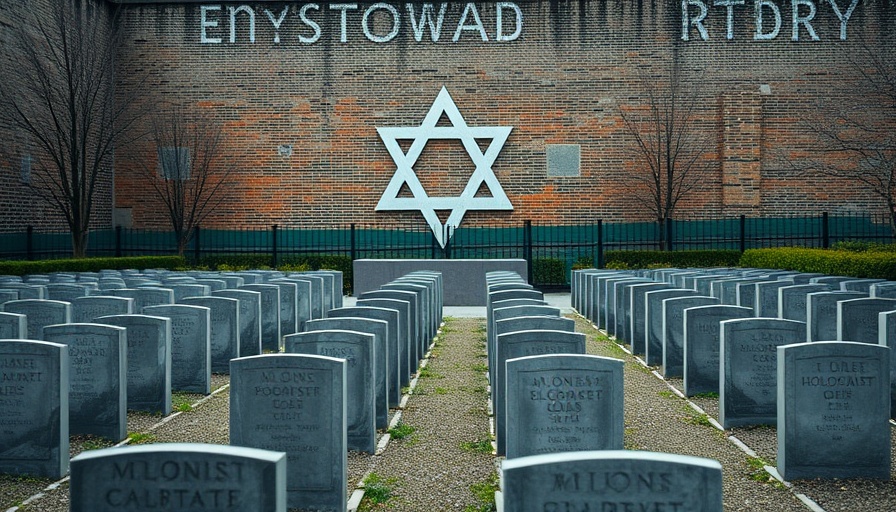
Somber Holocaust memorial with Star of David and marked graves.

A Unique Holocaust Document Uncovered

In a poignant journey through memory and history, Professor Ram Ben-Shalom has uncovered a remarkable piece of Holocaust history—a 12-page letter penned by his aunt, Salomea Ochs Luft, shortly before her tragic demise in 1943. This letter, a harrowing account of the atrocities inflicted upon Jews in the Tarnopol region of Galicia from 1941-1943, serves as a whisper from the depths of history, giving voice to those silenced in their suffering.

The Context of Salomea's Letter

Salomea's letter provides a personal glimpse into the tragic events surrounding the Holocaust. The letter documents the horrors faced by Jewish communities, depicting harrowing scenes of violence, persecution, and loss. It sheds light on individual stories that often become overshadowed by the broader historical narrative, reminding us that every statistic represents a life, a family, and a profound loss.

Holocaust Remembrance: More Than Just Facts

For the globally aware Christians and social justice advocates within our communities, Salomea's correspondence is not just a relic of the past. It compels us to understand the depth of human suffering and the critical importance of remembrance in combating ignorance. As we delve into her story, we are challenged to engage with the past in meaningful ways, ensuring that history is not forgotten and that atrocities like these never occur again.

Connecting the Past to the Present

Examining Salomea's narrative is especially relevant today as many across the globe continue to face persecution, be it for their faith or their ethnicity. The rise in antisemitism and various forms of hatred prompts us to reflect on our responsibilities as Christians and global citizens. We are called to be voices for the voiceless and advocates for those still enduring persecution. Connecting Salomea's experiences to contemporary issues encourages us to advocate for human rights and inspire action within our faith communities.

A Call to Action for Compassion and Advocacy

As Christians, our faith implores us to extend compassion and support those who are marginalized. Salomea's letter serves as a touchstone for action; we are reminded of the importance of standing against injustice. It is not sufficient to remember the pain of history; we must also react to the injustice we witness today. Engaging in conversations about persecution, supporting humanitarian efforts, and participating in interfaith dialogue can significantly influence the lives of those who suffer.

Salomea’s Legacy: A Lesson in Resilience

Ultimately, the legacy Salomea leaves behind is one of resilience and hope. Her words remind us of the strength found in community and faith in the darkest of times. By sharing her story, we honor not just her life but the countless others who suffered alongside her. Together, let us ensure that their memories inspire us to work towards a more just and compassionate world.

In a world where divisions often overshadow unity, remembering the lessons of the past becomes more critical than ever. By engaging with Salomea's truth, we can contribute to a broader dialogue on human dignity, justice, and compassion.

International

17 Views

0 Comments

Write A Comment

*
*
Related Posts All Posts
11.17.2025

Why Adams Urges Netanyahu's Attendance: A Call for Unity in New York's Jewish Community

Update Unifying Forces: Eric Adams Calls for SolidarityNew York City Mayor Eric Adams has recently emphasized the importance of solidarity within the Jewish community, specifically urging Israeli Prime Minister Benjamin Netanyahu to attend the inauguration ceremony in New York. In this call, Adams aims to send a strong message of unity and support, particularly in light of rising tensions and perceived hostility towards Jewish populations. What this signifies extends beyond mere attendance; it is a reminder of the pressing need to reinforce connections across diverse communities during challenging times.Context of Call: Addressing Rising AntisemitismThe current landscape presents a worrying trend as antisemitism becomes increasingly prominent in various societal sectors. Adams expressed concerns about statements made by political figures like Zohran Mamdani, suggesting that such remarks could negatively influence public sentiment towards Jewish individuals living in New York. By inviting Netanyahu, Adams aims to counters these negative narratives, reiterating that standing firm against prejudice is crucial for those who believe in social justice and interfaith dialogue.Historical Context: The Jewish Community in New YorkNew York is home to one of the largest Jewish communities outside of Israel, with over 1.7 million Jews residing in the city. This vibrant community has played a vital role in shaping the cultural and social landscape, contributing richly to the city’s identity. Understanding this historical context is pivotal as it showcases not just the importance of unity but also the strength and resilience of Jewish traditions amid ongoing challenges.Collective Response: Messages from Global LeadersGlobally, leaders such as former British Prime Minister Boris Johnson have similarly addressed the significance of understanding and supporting different communities, particularly in light of political dynamics that may shift perceptions. Just as Cuomo previously expressed total solidarity with Israel during his visits, Adams’ invitation serves as a continuation of a global effort to affirm that the plight of one community is intertwined with the plight of others.What This Means for Community EngagementFor Christians and other humanitarian-focused individuals, supporting the Jewish community aligns with broader principles of caring for the oppressed and standing against injustice. The implications of Adams' invitation go beyond mere political statements; they call for deeper interfaith collaboration and solidarity between communities that face discrimination. Embracing such advocacy not only enriches the fabric of society but can inspire collective action towards shared values of peace and understanding.Next Steps: Becoming Informed and EngagedAs the call for Netanyahu's attendance gains momentum, now is an opportune time for individuals across faiths to engage with the conversation surrounding community relations. By remaining informed about the dynamics of interfaith relations and advocating for inclusivity, supporters have the chance to contribute positively to society. Sharing these insights, participating in community dialogues, and standing up against antisemitism are practical steps towards fostering unity.

11.16.2025

Why Trump's Proposal Dangers the Stability of Israel: Netanyahu's Silence Explained

Update The Landscape of U.S. Foreign Policy and Its Impact on Israel In the intricate world of U.S. foreign policy, the recent proposal to the UN Security Council stands out, particularly regarding Israel's future. The plan, which outlines steps toward establishing a Palestinian state, marks a significant shift. While prior administrations, including those led by Obama and Trump, had their differences with Israeli Prime Minister Benjamin Netanyahu, neither made such an explicit commitment to a Palestinian state. This willingness from the U.S. government raises many questions about Israel's path ahead. Silence from Leadership: What Does It Mean? Netanyahu's silence in response to these developments is puzzling. Global Christians invested in peace and justice advocate for the protection of Israel and a fair resolution for Palestinians. Many in this demographic may wonder if Netanyahu's lack of response indicates tacit acceptance or fear of potential political backlash. It’s critical for leaders like Netanyahu to articulate their stance, especially with the complex geopolitical dynamics surrounding Israel. Failure to do so may alienate both domestic and international supporters. Connections Between Faith, Politics, and Peace For Christians engaged in interfaith dialogue, the current climate represents a unique opportunity for partnership and advocacy for peace. An essential aspect of this discourse is recognizing that both Israeli and Palestinian communities seek vibrant, safe lives for their families. Many Christians feel called to encourage dialogue that promotes understanding and cooperation between faith communities in Israel. Future Implications for Israel and Palestinians As the world watches these developments unfold, it is paramount to consider the long-term effects on the Israeli and Palestinian relationship. A potential establishment of a Palestinian state could lead to renewed tensions or, conversely, strengthened diplomatic ties. Those advocating for social justice must remain vigilant, offering their voices in support of peaceful resolutions. Trying to facilitate conversations that prioritize human dignity and communal flourishing can lead to positive change. Engagement with Global Christians: A Call to Action At this critical juncture, mission-minded Christians and those who focus on humanitarian efforts are encouraged to take part. Consider educating others about the complexities involved in the Israeli-Palestinian conflict. Engaging with local faith communities, raising awareness of the current challenges, and promoting peaceful initiatives can contribute to understanding and reconciliation. Together, we can build bridges in our advocacy for justice and peace in the Middle East. If you are moved by these issues, now is the time to get involved and advocate for peace. Learn more about how you can make a difference and support efforts focused on both communities’ well-being.

11.14.2025

The Troubling Hamas-Abbas Connection: What Christians Need to Know

Update Understanding the Hamas-Abbas Connection Recent investigations have shed light on the troubling connections between Mansour Abbas, a member of Knesset, and Hamas, the militant organization known for its ongoing conflict with Israel. Reports indicate that the Ra'am party, which Abbas leads, has associations with individuals labeled as terrorist operatives who orchestrated the diversion of substantial funds, reportedly in the millions, to Hamas through various European charities. This raises significant questions about the role of political leaders in addressing—or potentially exacerbating—conflicts in the Middle East. The Context of Political Alliances This scenario is indicative of a broader shift in Israeli politics where alliances are often made for pragmatism over historical enmities. Abbas's partnership with Ra'am seeks to cater to the interests of the Arab-Israeli community, showcasing a new approach to governance. However, forming ties with entities linked to terrorism complicates the situation tremendously, especially for a population yearning for peace and stability. Implications for Christian Communities For globally aware Christians and mission-minded individuals, the complexities surrounding the Hamas-Abbas relationship are not merely political; they have deep theological implications. The perseverance in the face of ongoing conflict often shifts focus from fostering hope, reconciliation, and compassion, which Christian teachings emphasize. The Palestinian Christian community, caught in the crossfire, faces persecution and can feel abandoned when political figures prioritize power over peace. Counterarguments and Diverse Perspectives It is essential to consider diverse viewpoints surrounding Mansour Abbas’s role and his political strategies. Some argue that reaching out to Arab leaders—including Hamas—could be a means to usher in dialogue and possible peace. Yet others, especially within the Christian community, argue that associating with organizations that are directly linked to violence undermines the pursuit of peace and justice. A Look into Historical Patterns Historically, the political landscape in Israel has fluctuated between extremism and moderate pursuits for peace. This nuanced examination of Abbas's alliances can serve as a lens through which we can view past failures and successes. By analyzing previous efforts at peace that have either succeeded or failed based on political affiliations, future strategies can hopefully be formed with a greater understanding of the risks involved. Encouraging Reflection on Interfaith Dialogue For humanitarian-focused Christians and interfaith dialogue advocates, the need for constructive, peaceful discourse is more vital than ever. The current dynamics surrounding Abbas and Hamas call for an urgent, compassionate response. Engaging in respectful dialogue about faith, politics, and the quest for peace can create a pathway for understanding and healing. Actionable Insights Moving Forward As individuals interested in fostering social justice and supporting persecuted communities, it is crucial to advocate for transparent and moral political actions. Encouraging political leaders to disassociate from terrorists while cultivating relationships with peace-oriented organizations can pave the way for hope and healing, especially for the vulnerable Christian communities in the region. In conclusion, understanding the complex relationship between Mansour Abbas and Hamas is pivotal for anyone dedicated to social justice, humanitarian efforts, and interfaith dialogue. As the international community watches, we must reflect on our roles in advocating for peace, compassion, and understanding. For those committed to supporting humanitarian efforts and pursuing justice, consider reaching out to organizations dedicated to peace-building initiatives in the Middle East. Your voice and actions can contribute to fostering a more just and peaceful world.

Terms of Service

Privacy Policy

Core Modal Title

Sorry, no results found

You Might Find These Articles Interesting

T
Please Check Your Email
We Will Be Following Up Shortly
*
*
*