 Add Row
  Add
Add 


Did you know that legal rights for preaching vary drastically between public parks and private lands? Understanding where and how you can legally express your views is crucial to protect your freedoms and avoid unwanted conflict. This guide clarifies these essential boundaries, empowering you to preach confidently and lawfully across England and Wales.
Whether you’re new to street evangelism or seeking a refresher on your legal standing, knowing the rules around public spaces and private property is vital. From city pavements to green parks and commercial areas, your ability to share the gospel depends on where you stand and the laws that apply there.
Overview of Street Evangelism and Legal Freedoms in England and Wales
Jon, of OAC Ministries, explains, "We have great freedom to preach on the streets. The police aren't out to get us; they often just observe and move on."
Definition of street evangelism and its importance: Street evangelism is the public sharing of the Christian gospel, usually in places with high footfall, aiming to reach people who may not otherwise hear about Jesus.
General legal freedoms: In England and Wales, you do not need permission to preach on public streets. This freedom is protected under your right to free speech and religious expression.
Distinguishing public streets and private land: However, not every area that looks like a public street actually is one. Private landowners, especially around shopping centres, can restrict preaching activities on their property.
It’s important to recognise that preaching in public parks and private land involves different legal conditions. Public streets are generally open for lawful preaching without needing consent. Steve Harris, legal expert and evangelist from OAC Ministries, reassures, “The police aren’t trying to stop us from sharing the gospel; they usually just keep an eye and allow us to continue. ” This reflects the practical reality that authorities understand lawful street preaching as a legitimate expression of faith.

Identifying Public Streets Versus Private Land
Appearances can be deceptive: Some areas that look like public streets might actually be private property, particularly near or within shopping centres and private estates.
The importance of verifying land ownership: Since private landowners are entitled to restrict access and activities such as preaching, it’s wise to check who owns or controls the land before setting up.
Common examples of private land: Shopping centres, gated communities, or managed pedestrianised zones often fall into this category and may require permission for preaching or literature distribution.
Steve Harris advises that understanding the distinction is key to staying on the right side of the law. “You do not need permission to preach on a truly public street, but if you are on privately owned land, permission is essential to avoid being accused of trespassing,” he states. Taking time to verify land status helps you avoid unnecessary legal disputes and interruptions to your ministry.
For a deeper dive into the specific legal protections and practical steps for sharing your faith safely, you may find it helpful to review this comprehensive guide on street preaching legal rights in the UK. It covers essential details on lawful evangelism and how to navigate common challenges.
Legal Considerations for Preaching in Public Parks
Public parks are usually public places: Most parks belong to local authorities and are open to the public, which means preaching is generally allowed here.
Potential bylaws: Some parks may have specific bylaws prohibiting preaching or amplified sound, usually signposted at entrances. Checking for these in advance avoids surprises.
Checking local regulations: It’s advisable to contact local councils or look for notice boards at park entrances to confirm your rights before preaching in a park.
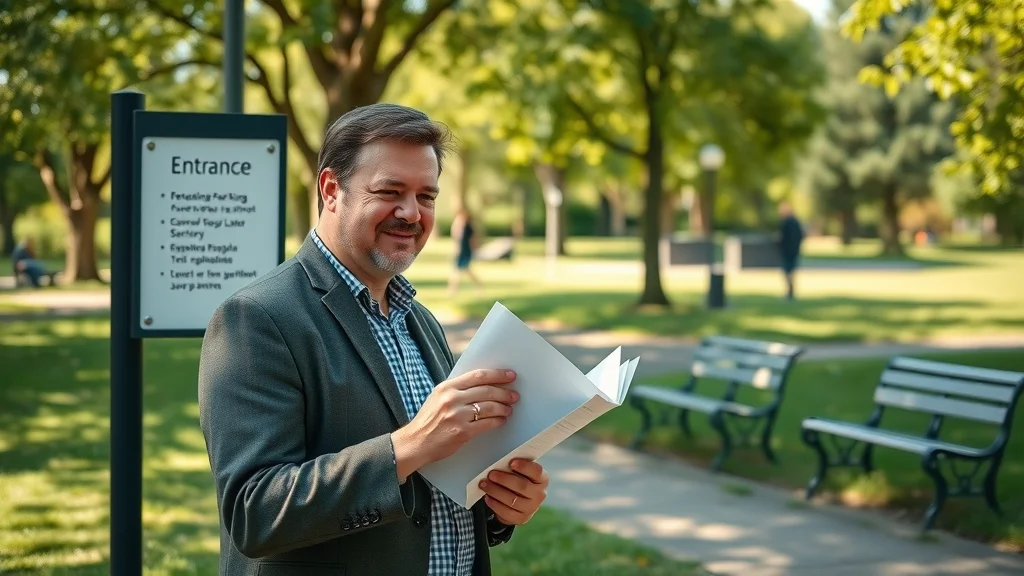
Jon advises, "If there isn't a bylaw posted, then you should be fine to preach in that place because it's a public place just like a public street."
Preaching in parks presents a fantastic opportunity to reach a diverse crowd in a relaxed environment. However, as these areas often have specific regulations designed to maintain harmony, it’s prudent to respect any posted rules or requests from park authorities. When no prohibitive bylaws exist, preaching in a park carries the same freedoms as preaching on a public street.
Handling Offense and Public Reaction During Street Evangelism
Legal protection against offense: You cannot be stopped from preaching simply because someone finds your message offensive or upsetting.
Gospel versus preacher: It’s the gospel message that may offend, not the preacher personally.
Recommended responses to hostility: Consider varying tone, offering private discussions, or moving locations if hostility becomes counterproductive.

According to Jon, "The gospel needs to be offensive if delivered clearly, but we shouldn't be offensive ourselves. God calls us to win people to Christ."
Steve Harris encourages preachers to maintain a respectful demeanour regardless of public reaction. “While the gospel’s truth may challenge listeners, maintaining kindness and openness creates better opportunities for meaningful conversations and even conversion. ” Being aware of the impact of your approach can help avoid unnecessary confrontations and keep your ministry effective.
Criminal Law and Public Order: The Redmond Case Explained
Redmond v Director of Public Prosecutions (1999): A landmark case in which a preacher refused to stop when asked by police, but the court ruled protection for lawful preaching.
Key legal principles: Imminent threat, source of threat, and pursuing lawful conduct are central to whether preaching can be restricted.
Implications: If disorder comes from the crowd and not the preacher, the crowd should be controlled rather than the preacher.
This case clarifies that lawful preaching cannot be curtailed just because members of the public react with hostility. Steve Harris explains, “The courts acknowledge that it is the responsibility of authorities to manage the crowd that causes disorder, not to silence street preachers who exercise their lawful rights. ” This underlines important protections for street evangelists under criminal law regarding public order.
Civil Law and Obstruction: Avoiding Legal Issues While Preaching
Obstruction under the Highways Act 1980, section 137: It is illegal to willfully obstruct the free passage along a highway.
Factors to consider: Duration of preaching, position relative to street layout, purpose of the gathering, and whether obstruction is actual or potential.
Practical tips: Setting up near street furniture like lampposts or benches minimises extra obstruction and demonstrates awareness and care.
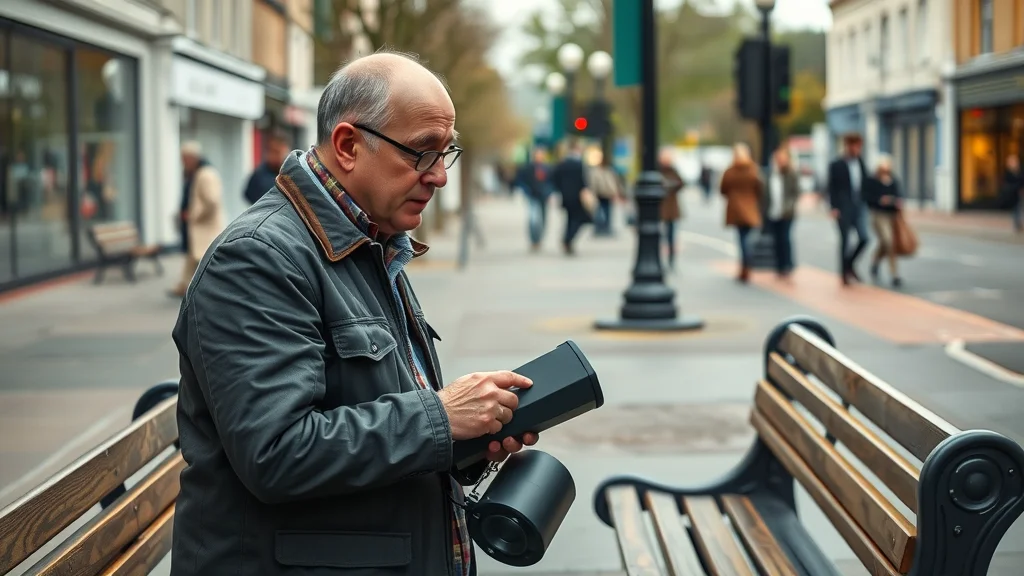
Steve Harris recounts a story where an evangelist was asked by police to stop due to obstruction when their crowd blocked the pavement for a considerable length. In such cases, the concern is genuine. “Preachers should always be mindful to avoid blocking passages that may prevent pedestrians from moving freely,” Harris advises. Choosing spacious locations and being ready to reposition helps maintain goodwill and keeps your ministry law-abiding.
Distributing Literature: Understanding the Clean Neighbourhoods and Environment Act 2005
Restrictions: Distributing printed matter without consent of the principal litter authority is generally prohibited.
Religious exemption: Section 1, part 4b exempts distribution of religious literature such as gospel leaflets from these restrictions.
Handling restrictions: If challenged, ask for a written apology citing the exemption and suggest educating officials to prevent future issues.
Handing out gospel leaflets is a common practice in street evangelism. Steve Harris notes, “Many Christians have been wrongly stopped from distributing religious literature, but the law explicitly protects this activity. Knowing this exemption empowers you to continue sharing without fear. ” Understanding these nuances helps safeguard your outreach efforts.
Interacting with Police During Street Evangelism
Stay calm, courteous, and respectful: A positive attitude facilitates better outcomes when approached by police.
If asked to stop: Politely ask for reasons and explore ways to resolve issues that allow you to continue preaching.
Knowledge is your ally: Clearly explain your understanding of the law and seek guidance on alternative locations if necessary.
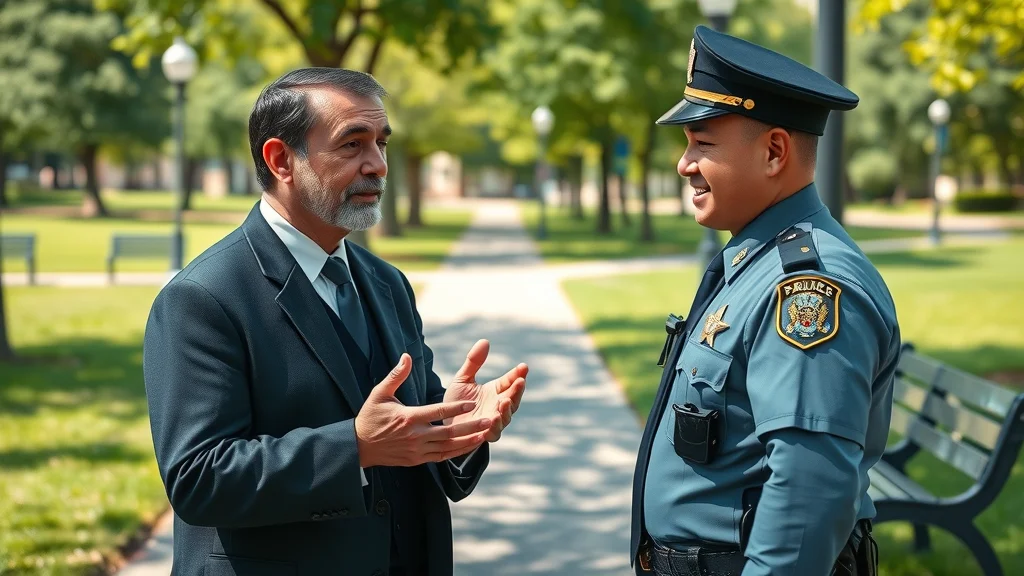
Steve Harris recommends, “If the police approach you, listen carefully, remain respectful, and calmly discuss the situation. They are usually not out to stop you but to maintain public order. A cooperative approach often leads to peaceful solutions. ” Avoiding confrontation preserves your witness and often reassures authorities of your good intentions.
Practical Tips for Preaching in Public Parks and Private Land
Verify land status: Check whether the place is truly public or privately owned before preaching.
Look for bylaws: Especially in parks, search for any posted restrictions to avoid violation.
Avoid obstruction: Choose wide, open areas where pedestrian flow is not hindered.
Be mindful of reactions: Adjust your tone and method if hostility arises to maximise effectiveness and safety.
Steve Harris sums it up practically: “Successful street evangelism respects both the law and the public’s space. Keeping these tips in mind helps you preach without legal problems and creates the best environment for your gospel message to be heard. ”
People Also Ask: Common Questions About Preaching in Public Places
Can I set up and preach at a local park? Generally yes, unless the park has bylaws forbidding preaching. Always check local regulations first.
Is it legal to preach in public in the UK? Yes, preaching on public streets and parks is lawful and protected, provided you do not cause obstruction or breach peace.
What does the Bible say about preaching in public places? The Bible encourages sharing the gospel openly, often in public spaces, as part of fulfilling the Great Commission (Matthew 28:19-20).
Do you need a licence to preach on the street? No licence or permission is required on public streets, but permission is necessary for private land.
Key Takeaways: Your Rights and Responsibilities When Preaching in Public
You do not need permission to preach on public streets.
Be aware of private land restrictions and any park bylaws.
The gospel may offend listeners, but you cannot be stopped for this.
Avoid causing obstruction to comply with civil law, especially the Highways Act 1980.
Maintain respectful communication with police and the public to foster goodwill.

Conclusion: Empowered and Informed Preaching in Public Parks and Private Land
Jon concludes, "Preach and declare the gospel confidently on public streets and parks, knowing your rights and freedoms."
Go out armed with knowledge, respect, and conviction. This empowers your ministry and protects your rights while you share the good news joyfully and lawfully.
If you’re inspired to deepen your understanding of how street evangelism fits into the broader mission of restoring Christian culture, consider exploring the wider impact of sharing the hope of Jesus Christ in our nation. Discover how your public witness can contribute to cultural renewal and lasting transformation by reading about restoring Christian culture with the hope of Jesus Christ. This next step will equip you with vision and encouragement for making a difference beyond the streets.
Further Resources and Call to Action
Visit detailed guides all about street evangelism and legal rights.
Explore The Street Preacher’s Charter for comprehensive support.
To learn more about The Street Preacher’s Charter, visit https://the.ci/streetpreachers
Location |
Permission Required |
Potential Restrictions |
Legal Notes |
|---|---|---|---|
Public Street |
No |
None |
Free to preach without permission |
Public Park |
No |
Bylaws may restrict preaching |
Check posted regulations |
Private Land (e.g., Shopping Centres) |
Yes |
Owner’s consent required |
May be treated as trespassing |
What You'll Learn
How to identify public versus private land to avoid legal issues.
Understanding your rights when preaching in public parks and streets.
Effective ways to handle offence and public reactions.
How criminal and civil laws affect street evangelism.
Best practices for interacting with police and handling literature distribution.
Sources
Case law: Redmond v Director of Public Prosecutions (1999)
Understanding the legalities of preaching in public parks and private land in England and Wales is essential for conducting street evangelism lawfully and effectively. The Evangelical Alliance’s guide, Speak Up: A brief guide to the law and your gospel freedoms, offers comprehensive insights into your rights and responsibilities when sharing your faith in public spaces.
Additionally, The Street Preacher’s Charter by The Christian Institute provides detailed information on the legal framework surrounding street preaching, helping you navigate potential challenges and uphold your freedoms. If you’re committed to preaching in public parks and private land, these resources will equip you with the necessary knowledge to do so confidently and within the bounds of the law.


Write A Comment