Add Row
Add Element
cropper
update

Biblical Living Unlocked

Logo - Biblical living unlocked
update
Add Element
  • Home
  • Categories
    • Biblical Parenting
    • Parenting Tips
    • Family Fellowship
    • Bible Teaching
    • Apologetics
    • Community Stories
    • Youth Focus
    • International
    • Walton Evangelical Church
    • Salt Church Mar Menor
    • Salt Church Los Montesinos
    • John Piper
    • News & Offers
Add Element
  • Ken on Facebook
    update
  • update
  • update
  • update
  • update
  • update
  • update
May 02.2025
2 Minutes Read

President Trump Consoles Family of Edan Alexander: Understanding Hostage Pain

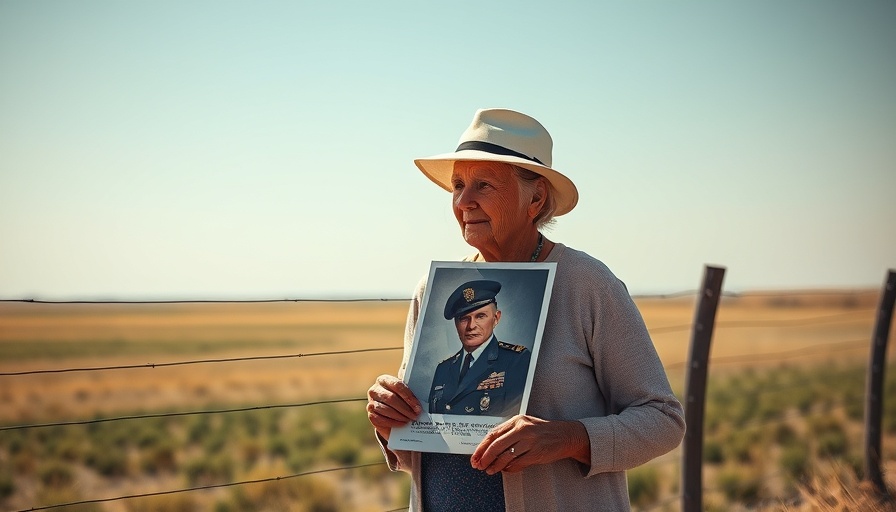
Elderly woman holds soldier's poster at a fence, open field background.

President Trump's Heartfelt Words to Hostage Family

Recently, President Donald Trump reached out to the family of Edan Alexander, a young Israeli-American who has been held hostage for several months. In his communication, he expressed his inability to fully comprehend their pain. Trump stated, “I cannot imagine your pain. Our strength is with you; we stand with you.” His empathetic words sound a crucial note as families continue to grapple with the uncertainty surrounding their loved ones' conditions.

The Uncertain Fate of Hostages

During his conversation with Edan's parents, Trump mentioned the dire situation of hostages in the region, highlighting troubling statistics: “Out of 59, you had 24 that were living, and now I understand that it's not even that number.” This alarming insight raises concerns about the ongoing conflict and how many lives hang in the balance, with families facing agonizing uncertainty.

The Broader Impact on Families and Communities

The plight of hostage-taking, especially in conflict areas like the Middle East, resonates deeply not just within families but across communities. It affects friends, church groups, and organizations aimed at supporting those suffering from these crises. Many faith communities have opened their doors and hearts to provide solace and support for those affected, uniting under the common banner of compassion and aid.

Faith in Times of Adversity

For many families, faith becomes an anchor during tumultuous times, guiding them through prayer and community support. The global Christian community often mobilizes to address humanitarian needs, advocating for peace and justice. Engaged believers understand the theological call to support the persecuted, whether through prayer, advocacy, or direct assistance.

Interfaith Solidarity and Support

As news of Edan's situation spreads, interfaith dialogues are blossoming, with various religious groups coming together to pray for his safe return. This solidarity serves to highlight the importance of emotional and spiritual support across cultural lines, as communities recognize that compassion knows no bounds.

The Role of Governments and Communities

Governments play a crucial role in navigating the complexities of hostage situations, and community engagement is just as vital. As discussions and negotiations unfold, the emphasis must remain on fostering understanding and finding pathways to peace that prioritize human lives. Local and global advocacy efforts are essential in urging authorities to act in ways that protect and promote the safety of all individuals caught in these tragic circumstances.

As we keep Edan Alexander and his family in our thoughts, it's essential to reflect on the wider implications of hostage situations and what it means for communities affected by conflict. The call for unity, compassion, and steadfast faith resonates louder now than ever before. In these moments of desperation and uncertainty, let us hold onto hope and work towards restorative justice for those whose lives are overshadowed by violence.

Join with your community in prayer and advocacy efforts to address these pressing humanitarian concerns. Your engagement may be a lifeline for those in need.

International

13 Views

0 Comments

Write A Comment

*
*
Related Posts All Posts
12.09.2025

Inaya’s Christmas: A Story of Faith and Resilience in Secrecy

Update Inaya's Courage Amid Darkness At just 11 years old, Inaya, a young Christian in the Philippines, faces unique challenges during the Christmas season. While many celebrate openly, Inaya and her family must conceal their faith for fear of reprisals in a community where clan loyalties run deep and conversion from Islam is met with hostility. The cycle of violence that haunts their neighborhood serves as a constant reminder of the risks they face daily. The Struggles of a Young Believer Inaya's life is a testament to bravery. Born into a Muslim family, she and her parents recently found faith in Christ. This transformation brought immediate danger; their faith is a well-kept secret, necessitated by the threat of social ostracism or even death. Together, this family quietly celebrates Christmas, their joy rooted in their faith rather than in physical decorations or lavish feasts. Even in the face of adversity, the spirit of celebration flickers within them like a flame. Inaya recalls her father's struggle during a violent clan conflict, where he was injured but chose nonviolence in accordance with his beliefs. Despite the hardship, he emerged as a symbol of resilience, showcasing the strength of non-retaliation to his family and community. Finding Light in the Darkness This Christmas, despite the absence of gifts and family gatherings, Inaya and her family still express their love for Jesus through subtle acts of faith. Like many believers in persecuted regions, they experience a profound inner joy that can withstand external pressures. Inaya participates in a children's story-telling program organized by Open Doors, allowing her to grow spiritually while feeling safe with peers who share her experience of faith in secrecy. Inaya's realization during story time—that even in solitude, she mirrors the resilience of biblical figures like Daniel—offers her courage. "If Daniel wasn’t alone, maybe I’m not alone either," she confides in her mother. This perspective reflects a broader truth applicable to Christians around the world who face persecution. Their faith adds comfort and resilience, lighting up even the most challenging circumstances. The Broader Context: Christmas Under Threat The struggles faced by Inaya are echoed in similar stories across the Philippines and other parts of the world. Following the tragic bombing of a Catholic Mass in Marawi, many Christians grapple with the reality of celebrating a muted Christmas. These developments remind us that countless believers face threats simply for practicing their faith. They, too, opt for subdued gatherings or personal prayers while seeking strength in their beliefs during the holiday season. Edwin Dela Peña, bishop of Marawi, emphasizes the importance of interfaith understanding at this time, stating, "Even in this time of distress, we feel the presence of the Lord." This sentiment rings true for Inaya as well, signifying a collective hope among believers to transcend their perilous situations. Acting Together: A Call for Solidarity Inaya’s story, and those like hers, illustrate the necessity for greater awareness and support for persecuted Christians. As we approach the festive season, it is essential to remember not only the joys of the holiday but also the trials faced by many around the globe. Individual believers and congregations can engage in advocacy and support initiatives that provide genuine assistance to those living under threat, fostering a deeper sense of community and understanding. This Christmas, let's celebrate the resilience of faith, and stand in solidarity with believers like Inaya, ensuring that the light of hope continues to shine in the darkest corners of our world.

12.09.2025

Zohran Mamdani's Leadership: A Chance to Unite Jewish and Muslim Communities

Update Understanding the Impact of Zohran Mamdani's Election The election of Zohran Mamdani, New York City's new mayor, is a significant milestone in the city’s political landscape. As a Muslim immigrant and a democratic socialist, Mamdani's rise has also sparked conversations about the shifting dynamics within the Jewish community regarding Israel and Palestine. His platform, prominently showcasing progressive ideas, significantly resonates with young voters who feel disillusioned with traditional political stances. Bridging Divides in a Fragmented Community Mamdani's victory illuminated a deep rift in the Jewish electorate, particularly between older voters who lean towards pro-Israel sentiments and a younger generation that advocates for Palestinian rights. About a third of Jewish voters supported Mamdani, indicating a complex interplay of socio-economic concerns and varied political loyalties. His candidacy challenges traditional notions of Jewish identity in the political sphere and urges a re-examination of long-held beliefs about Israel. Political Reactions to Mamdani’s Views The Mixed reactions to Mamdani's election demonstrate the current political environment's volatility. Critics express fears that his support for initiatives like Boycott, Divestment, Sanctions (BDS) could further strain relations between Jewish and Palestinian communities. Yet, those in favor argue that his stance creates an opportunity to address critical issues such as economic inequality and systemic racism within New York City, a sentiment echoed across various advocacy circles. The Future of Interfaith Dialogue in New York Given the tensions surrounding Israel and Palestine, Mamdani's approach urges a renewed focus on dialogue within interfaith communities. While some community leaders remain skeptical, others recognize his potential for fostering cooperative relationships in pursuit of social justice. This evolving dynamic could open pathways for more inclusive discussions on shared values between Jewish and Muslim constituents, ultimately aiming towards collaboration rather than division. Reflections on Jewish Identity in Politics Mamdani's election underscores a crucial question for many Jewish voters: How do their identities intersect with contemporary political issues? As they gather to define their aspirations, nuanced perspectives on communal representation can emerge, leading to a healthier discourse on what it means to be part of a religious and ethnic group deeply entrenched in global politics. The Action Needed Going Forward The key takeaway from Mamdani's electoral success is the pressing need for awareness among the broader electorate. It compels voters to reassess their political beliefs and engage in dialogues that transcend mere identity politics, emphasizing shared humanity and pressing social issues. Policymakers, advocates, and citizens alike should leverage this moment to promote dialogue that addresses mutual concerns. Mamdani's candidacy and subsequent election serve as a reminder that the political landscape is constantly evolving. Stakeholders must harness this change to advocate for policies centered around justice, equity, and community building. In doing so, they can not only uplift their communities but also contribute to a broader movement seeking sustainable solutions across divisive lines. Engagement and reconciliation are crucial as we navigate these complex issues together. By prioritizing dialogue, we can begin to build a landscape where every voice contributes to a harmonious future.

12.08.2025

Exploring Muslim Brotherhood Infiltration Strategy: A European Crisis

Update Unveiling the Muslim Brotherhood's Strategy in Europe The infiltration of European institutions by organizations linked to the Muslim Brotherhood has become a crucial topic of international discussion. Recent reports reveal that various groups are manipulating EU funding mechanisms, often without the public's knowledge, to promote ideologies that fundamentally oppose Western values. These groups are not only receiving financial support but are also actively engaging in lobbying to influence policy decisions at the highest levels. The Underlying Ideology: What Drives Infiltration? The overarching aim of the Muslim Brotherhood, founded in Egypt over a century ago, is to impose a governance system rooted in Islamic law. This goal poses a significant challenge to the secular foundations of many European nations, particularly in France, where the state is actively resisting such ideological incursions. Recent findings show that members of the Brotherhood and its affiliates have strategically infiltrated civil society through charities, educational institutions, and religious organizations, all while masquerading under the guise of combating discrimination. Influence Through Education: Redefining Youth Perspectives Muslim Brotherhood-linked organizations like the Forum of European Muslim Youth and Student Organizations (FEMYSO) have been accused of indoctrinating young people with texts that advocate for the superiority of Sharia law over secular laws. This form of ideological education not only seeks to reshape the religious identity of European Muslims but also aims to foster a broader acceptance of radical ideas. By embedding themselves within community structures, these organizations can present a compelling narrative that may resonate with impressionable youth. Responses from European Authorities: A Call for Action In light of these revelations, European leaders, particularly in France, are mounting a response to curb such infiltration. Calls for more stringent regulations on EU grants have been made, emphasizing the need for checks to prevent taxpayer money from inadvertently supporting Islamist entities. This political landscape showcases a growing divide, where right-wing parties argue for stricter immigration and integration policies, while left-leaning factions warn against potential Islamophobia and the erosion of multicultural values. Understanding the Broader Context: Religious Freedom and Secularism The ongoing struggle between religious freedom and secularism continues to be at the forefront of this issue. The French model of secularism, which aims to protect individual rights by maintaining a strict separation of religion from the state, faces immense pressure from the rise of organizations promoting religious dominance. This tug-of-war raises essential questions about the future of national identity and the place of Islam within European society. Bridging the Gap: Encouraging Interfaith Dialogue It is vital to recognize and foster productive conversations between communities to build a more cohesive society. While the threat of radical ideologies is real, creating avenues for dialogue can lead to understanding and respect among varied religious groups. Policymakers must prioritize community engagement initiatives, ensuring that the voices of moderate Muslims are heightened in the discussion surrounding Islam's role in modern Europe. Moving Forward: Where Do We Go from Here? As we witness these developments unfold, awareness and vigilance are key. It is essential for communities, especially faith-based groups, to engage in advocacy work that emphasizes not just the dangers posed by radical ideologies but also the importance of inclusion and mutual respect. Global Christians, particularly those aligned with the persecuted church, should be informed about these dynamics to effectively support and advocate for their brothers and sisters in faith facing challenges across Europe. In advocating for better-informed policies and fostering interfaith dialogue, we can build a future that respects diverse beliefs while upholding foundational democratic values.

Terms of Service

Privacy Policy

Core Modal Title

Sorry, no results found

You Might Find These Articles Interesting

T
Please Check Your Email
We Will Be Following Up Shortly
*
*
*