Add Row
Add Element
cropper
update

Biblical Living Unlocked

Logo - Biblical living unlocked
update
Add Element
  • Home
  • Categories
    • Biblical Parenting
    • Parenting Tips
    • Family Fellowship
    • Bible Teaching
    • Apologetics
    • Community Stories
    • Youth Focus
    • International
    • Walton Evangelical Church
    • Salt Church Mar Menor
    • Salt Church Los Montesinos
    • John Piper
    • News & Offers
Add Element
  • Ken on Facebook
    update
  • update
  • update
  • update
  • update
  • update
  • update
May 18.2025
3 Minutes Read

Operation Gideon's Chariots: No Exit Until Hamas is Defeated and Hostages Rescued

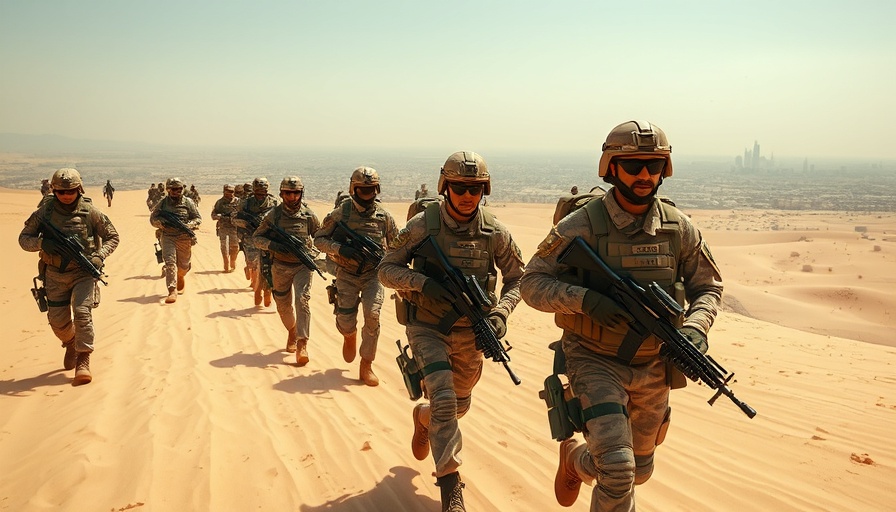
Military operations on desert terrain under clear sky.

The Stakes High: No Withdrawal from Gaza Until Hostages Returned

In the wake of an escalated conflict, the Israeli Defense Forces (IDF) have intensified their military operations in the Gaza Strip as part of Operation Gideon's Chariots. Over the weekend, a significant series of airstrikes by the Israeli Air Force marked the continuation of a strategy targeting Hamas, aiming to dismantle their operational capabilities while safeguarding the lives of hostages held within the enclaves. The Israeli government has made it clear: there will be no withdrawal from Gaza until Hamas is neutralized and all hostages are returned home. This stance resonates with the broader strategic military objective in the region, emphasizing the importance of ensuring that any future negotiations concerning peace and security are secure from Hamas’s influence.

Current Military & Humanitarian Tensions

The military endeavors are not solely focused on offensive operations; they also encompass significant humanitarian considerations. According to the IDF, the relocation of Palestinians from northern and central Gaza to safer zones in the south is underway. This decision, while necessary for operational security, raises questions about the humanitarian conditions these individuals will face. It's a dilemma faced frequently in conflict zones: how to ensure the safety of one group while safeguarding the rights and dignity of another.

The Hostage Negotiation Landscape

Amidst these efforts, negotiations for a hostage deal remain a critical focus. The complexity of these discussions is compounded by the urgency created by the continued threat of violence. As hope for the safe return of hostages hangs in the balance, there is pressure on all parties involved to reach a consensus that prioritizes human lives. The outcomes of these negotiations could set the tone for future interactions within the region and inform the strategies employed by both Israeli and Palestinian leaders.

Urgent Calls for Action from the Global Community

The plight of hostages has also caught the attention of international leaders and advocacy groups. There are calls for collaboration among nations to ensure a swift and peaceful resolution that supports human rights and justice for all involved. Humanitarian organizations are urging for transparency in the operations being conducted, calling on the global community to remain engaged and vocal in support of those affected.

Faith-Based Perspectives on Conflict

For many within faith-based communities, the ongoing conflict and discussions around it evoke deep reflections on human dignity, peace, and justice. Globally aware Christians, particularly those engaged with humanitarian efforts, are faced with prayers for peace and actions that hold perpetrators accountable while advocating for the vulnerable. Recognizing the complex emotions tied to this conflict calls on believers to seek avenues for support not just for their own communities, but for all those falling victim to violence.

The Broader Geopolitical Implications of Conflict

Future forecasts regarding the Israel-Gaza situation indicate that the region's geopolitical dynamics are ever-evolving. As nations recalibrate their foreign policies, the implications of the ongoing tensions will affect not only local, but also international relations, making it crucial for stakeholders to monitor developments closely. Understanding these dynamics is vital for policy and advocacy enthusiasts interested in the intersection of faith and international politics.

Embracing Humanity in Times of Strife

Ultimately, the enduring struggle faced by individuals caught in the crossfire must remain central to any discourse on the conflict. As nations grapple with strategic and military decisions, empathy and a commitment to human dignity must not be overshadowed. The lives impacted during Operation Gideon's Chariots extend beyond politics; they represent the collective pain and hope for a peaceful resolution.

As this situation develops, it is imperative for seasoned voices and engaged audiences alike to foster interfaith dialogue, promote understanding, and advocate ceaselessly for justice, compassion, and peace. Understanding the depth of suffering faced by strangers calls us to challenge our perceptions and biases while nurturing a collective commitment to be peacemakers in a fractured world.

In these challenging times, it is up to the community of believers and advocates who are informed by faith to continue to shine a light on injustice while working towards a peaceful resolution that uplifts all lives in the region. Join us in advocating for rights and understanding during this critical phase of history.

International

18 Views

0 Comments

Write A Comment

*
*
Related Posts All Posts
03.05.2026

Kurdish Forces Deny Assault on Iran: What's the True Story?

Update The Truth Behind Kurdish Forces and Iran: A Complex Narrative Recent reports have sparked alarm about a potential Kurdish ground assault into Iranian territory. Massive allegations emerged primarily from Fox News, stating that thousands of Iraqi Kurdish rebels initiated a ground invasion into Iran. However, Kurdish sources swiftly denied these claims, insisting that such large-scale operations are unfounded. Instead, they confirmed only a handful of Iranian Kurds had crossed back into Iran, emphasizing continued allegiance to cautious coordination along the sensitive border region. What’s Really Happening at the Border? A Closer Look Kurdish sources revealed that while significant troop movements aren't evident, a well-strategized cooperation is unfolding. This includes not only the movement of commanders and small units but also joint training efforts among various Kurdish factions. Some political and military leaders are intensifying their presence in the area to enhance coordination in case of an escalated conflict. Indeed, preparations seem to be in place for a more organized, strategic approach toward Iran, with the Kurdish groups showing signs of upcoming military endeavors that could reshape their own destinies. The Road to Autonomy: A Vision for the Future The long-term goal remains clear for many Kurdish factions: to establish an autonomous region within Iran, mirroring successful models in Iraq and Syria. Recent unification talks among five Iranian Kurdish parties resulted in the Coalition of Political Forces of Iranian Kurdistan (CPFIK). This collaboration aims to synchronize their military strategies and consolidate their political positions. With this growing coalition, the likelihood of presenting a united front against Iranian oppression seems imminent. Historical Context of Kurdish Struggles For decades, Kurds have battled systemic oppression at the hands of various regimes across the Middle East, particularly in Iran. The Kurdish community's deep historical roots run through the landscapes of Iran, yet their struggle for recognition and autonomy has often been met with brutal resistance. Recent developments signal a chance for Kurds to shift the narrative, propelled by increasing unrest among their ranks and a yearning for justice. Complications in International Interests What further complicates the Kurdish situation is the broader geopolitical context. Support from external forces, such as Israel, is something Kurdish groups have openly voiced their desire for in recent times, particularly after significant shifts seen in Iran. The Kurdish minority, long stigmatized due to anti-Israel propaganda from the Iranian regime, are now eyeing the Jewish state with a blend of hope and cautious optimism. If alliances are cultivated effectively, the dynamic in the Middle East might change, bringing about not just regional ripples but possibly a seismic shift in power. Engagement with Culturally Engaged Believers For Christians and social advocates invested in humanitarian affairs within the Middle East, understanding the plight of the Kurdish people is vital. Many Kurdish communities embody values such as resilience, hope, and freedom—principles that resonate profoundly within Christian teachings. Engaging with these groups can create strong interfaith connections, fostering dialogue based on shared aspirations for peace and justice. The current situation imposes a moral imperative to not only observe but also understand the tides of change impacting the Kurdish population. Those inclined to support social justice initiatives should closely monitor the evolving relationships between Kurdish fighters and the broader geopolitical landscape, especially as Iran remains entrenched in conflict. As this narrative continues to unfold, it promises not only to influence the circumstances of marginalized communities but might also illuminate new pathways toward reconciliation and healing. It is a critical time for Christians and those who feel compelled to advocate for the oppressed to focus their efforts on this complex interplay of faith, identity, and conflict.

03.04.2026

Urgent Prayer Needed for Peace and Healing in Iran and Region

Update A Call to Prayer Amidst Turmoil in IranIn a rapidly escalating crisis, the urgent call for prayer from Christians in Iran and surrounding nations has never been more pressing. As airstrikes reverberate in Tehran and diplomatic talks between Iran and the United States hit a dead end, communities far and wide are galvanizing into action, reflecting an outpouring of faith amid uncertainty.Understanding the Current CrisisWith Israel’s recent pre-emptive airstrikes on Iranian targets, the region stands on a precipice of conflict and resistance. Reports indicate that explosions have been heard in various Iranian cities, including Isfahan and Qom, as both Iran and Israel close their airspaces in response to the mounting pressures. Amidst this chaos, Christians, who have historically faced oppression, are urging for global support through prayers for peace and protection.The Weight of Suffering and Hope"As an Iranian and a Christian, I speak with a heavy heart," shares an Open Doors partner. The pain of war is intensely personal; it touches every life and family caught in this conflict. Despite this pain, a flicker of hope shines through, echoing the sentiment that even in the darkest times, there is a longing for justice and true liberty among the Iranian people. It reflects a deep-rooted desire that this escalation may lead to eventual reconciliation rather than further destruction.Responding to the Call for Unity in PrayerThe urgent prayer request calls for a collective response for peace, comfort, and divine intervention. Believers are encouraged to pray specifically for the protection of civilians, economic provision for families in hardship, emotional healing for the traumatized, and spiritual strength for believers facing persecution. Despite the shadows of war looming overhead, the church's resilience continues to shine brightly through its unwavering dedication to faith and community.International Implications of Local ConflictsAs U.S. and Israeli military actions escalate, the implications extend far beyond Iran’s borders. Civilians in Iraq, Syria, Jordan, and Lebanon also find themselves in a state of anxiety, fearing spillover effects from the conflict. The international community is called to act judiciously and advocate for peace amidst rising tensions, ensuring that moral obligations are met and humanitarian needs addressed.Messages of Faith in AdversityChristian communities worldwide are encouraged not only to pray but also to support their fellow believers through action, joining the global mission of hope amid crisis. Stories of conversion and faith continue to emerge from Iran, a testament to the power of the gospel even in perilous times. An inspiring account tells of a young Iranian woman who, despite the risks, embraced Christianity and was recently baptized, demonstrating the transformative hope offered through faith.Taking Action: How You Can HelpThere are numerous ways to assist those affected by such conflicts. Engaging in prayer, offering financial support to organizations like Open Doors that actively serve affected communities, and spreading awareness about the plight of Christians in the Middle East can make significant impacts. Furthermore, educating oneself on the ongoing challenges faced by believers in these regions fosters a deeper understanding and support for their cause.Final Thoughts and Call to ActionAs this urgent situation unfolds, it is vital to remember the power of prayer and community. Let us stand alongside our brothers and sisters in Iran and the surrounding nations, lifting up their hopes and pains in prayer. We must remain steadfast in our commitment to pursue peace and advocate for the dignity and safety of every individual caught in this strife. Join us in prayer and action, supporting the desperate needs of those seeking safety, freedom, and hope in an unstable world. Amen.

03.03.2026

Trump's Warning: Iran is Running Out of Launchers and Facing Crisis

Update Understanding the Current State of Iran’s Military Capabilities In a tense geopolitical landscape, the rhetoric around Iran's military capabilities is intensifying. Recently, former President Donald Trump claimed that Iran is 'running out of launchers'—a statement that underscores the urgency and volatility of the situation. According to Trump, Iranian forces are facing severe operational challenges, stating, "They’re running out and they’re running out of areas to shoot them, because they’re being decimated.” This assertion comes amidst ongoing military confrontations between Iran and U.S.-backed forces in the Middle East, particularly following the conflict's escalation into what is now referred to as the U.S.-Israeli campaign against Iran. The Broader Implications of the Conflict As military operations unfold, the ramifications extend far beyond Iran's borders, affecting regional stability and international relations. Data from the ongoing conflict highlights a troubling trend—neighboring countries like Saudi Arabia and Kuwait are experiencing targeted attacks, with reports surfacing of missiles and drone strikes aimed at U.S. embassies and military installations. In fact, Kuwaiti defense sources have indicated that they intercepted 178 ballistic missiles within a span of just weeks. Such statistics shed light on the escalating nature of hostilities and the pressing need for effective missile defense systems in vulnerable regional states. Military Preparedness and Resource Allocation Trump’s remarks on the U.S. military's readiness, stating American defense contractors are under 'emergency orders' to ramp up production, indicate a significant mobilization effort. While he asserts that the U.S. has an "unlimited" supply of munitions, concerns about the availability and allocation of necessary missile defense systems have been raised by figures such as Senator Richard Blumenthal. He warned of a potential shortage of crucial systems like THAAD and Patriot, which are vital for protecting both military and civilian targets. The emphasis on urgent resource allocation reflects the unprecedented challenges posed by modern warfare, in which hours can dictate the safety of countless individuals. Humanitarian Consequences and Community Response In the midst of military strikes and escalating violence, the humanitarian repercussions are becoming alarmingly evident. As tragedy unfolds, stories of individuals impacted by these decisions are emerging. For instance, reports indicate that civilians, including migrant workers in the Gulf, are bearing the brunt of the unintended consequences from missile attacks and military confrontations. This harrowing reality underscores the ethical implications of international relations and military actions. Looking Ahead: Predictions and Potential Outcomes As the conflict progresses, questions loom large about the future of Iran's governance and military capabilities. Speculations are rife regarding who may emerge as a new leader following a regime change. The prospect of engaging with a new Iranian government remains uncertain; Trump expressed openness to working with new leadership if a reconfiguration occurs. This sentiment hints at a potential shift in U.S. foreign policy, contingent upon the outcomes of the current hostilities and internal dynamics within Iran. The global community watches closely, acutely aware that the stakes are high and that the implications will resonate for years to come. Conclusion: Navigating the Complexities of War As the situation evolves, it is crucial for the international community to remain engaged and informed. The effects of the conflict are not limited to military strategies; they seep into the lives of ordinary people, shaping perceptions and realities for generations. Maintaining dialogue and fostering understanding is essential in a time characterized by division and conflict. Those interested in shaping a better future must advocate for peace, understanding, and careful examination of the facts and figures that emerge from this volatile landscape. Your voice matters in this discussion, and it's time to consider how we can contribute to a more peaceful resolution.

Terms of Service

Privacy Policy

Core Modal Title

Sorry, no results found

You Might Find These Articles Interesting

T
Please Check Your Email
We Will Be Following Up Shortly
*
*
*