Add Row
Add Element
cropper
update

Biblical Living Unlocked

Logo - Biblical living unlocked
update
Add Element
  • Home
  • Categories
    • Biblical Parenting
    • Parenting Tips
    • Family Fellowship
    • Bible Teaching
    • Apologetics
    • Community Stories
    • Youth Focus
    • International
    • Walton Evangelical Church
    • Salt Church Mar Menor
    • Salt Church Los Montesinos
    • John Piper
    • News & Offers
Add Element
  • Ken on Facebook
    update
  • update
  • update
  • update
  • update
  • update
  • update
May 24.2025
4 Minutes Read

Navigating Faith: A Turkish Christian's Journey from Islam to Christianity

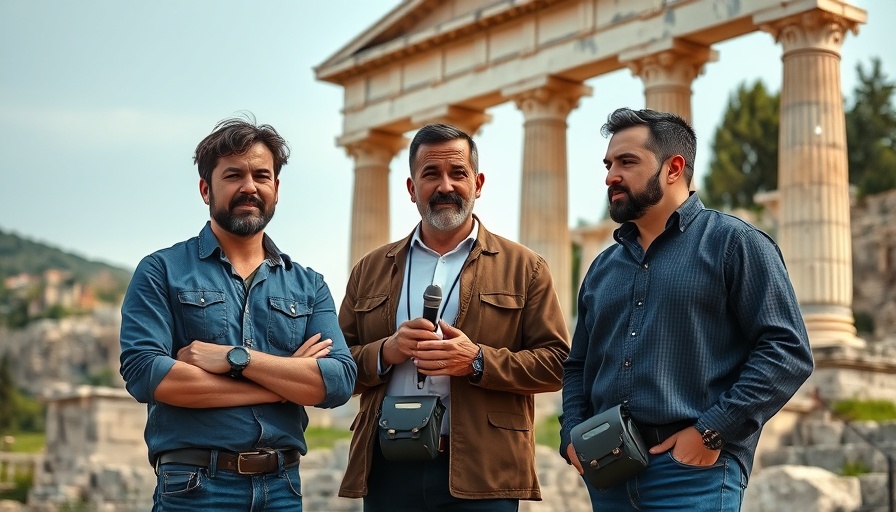
Three men at ancient Ephesus discussing 'Why I Am No Longer MUSLIM'.

The Journey from Islam to Christianity: A Personal Testimony

In the recent AC Podcast episode titled "Why I Am No Longer MUSLIM", host Andy Bannister and his guests delve deep into the transformative journey of Nurullah, a Turkish Christian who offers a unique perspective on faith, culture, and identity. His story is emblematic of a broader narrative that crosses geographical and cultural boundaries, raising compelling questions about faith and the complex relationship between Islam and Christianity.

In the AC Podcast episode titled "Why I Am No Longer MUSLIM", the complex issues faced by Turkish Christians are examined, sparking deeper reflections on faith and culture.

The Cultural Context: Understanding Faith in Turkey

Nurullah's narrative begins against the backdrop of a predominantly Muslim Turkey, where Christianity often carries a stigma born from misconceptions and historical legacies. Many Turks associate Christianity with western ideals shaped by media portrayals, leading to a perception that Christianity is synonymous with a lifestyle exemplified in Hollywood films—marked by excess and moral failings. However, Nurullah emphasizes that true Christianity transcends culture and does not conform to such stereotypes. This realization that faith is separate from ethnicity or national identity is a crucial step for many Turkish Christians seeking to define their beliefs in a challenging environment.

Converting Challenges: Faith Amid Misunderstanding

The psychological toll of converting from Islam to Christianity can be profound. Nurullah faced not only the personal challenges of his decision but also the social repercussions that came with it, including familial ostracism and threats to his safety. The risk of being ostracized is compounded by the fact that most believers in the Turkish Church are converts from Islamic backgrounds, making their stories echo as an act of rebellion against societal expectations. Nurullah's decision to embrace Christianity was far from a casual choice. It stemmed from a deep-seated conviction formed through introspective inquiry and study of the life and teachings of Jesus Christ.

Personal Growth: The Transformative Power of Faith

A defining moment in Nurullah’s journey was the understanding and acceptance of love, grace, and a personal relationship with God, which starkly contrasts with his previous religious experience. He recounts from scripture the profound impact of accepting Jesus as Savior, noting that while his initial conversion rattled his family—his father even pushing him out of the household—over time, his father began to view him through a different lens. Indeed, Nurullah highlights the irony and beauty that sometimes it takes the act of living out one’s faith authentically to allow others to see the work of God’s love in one's life. His father now frequently engages in discussions about faith, showcasing a dynamic shift resulting from Nurullah's unwavering commitment to his beliefs.

Building Bridges: Sharing the Christian Message

In a country where the average person perceives Christianity through a narrow lens, Nurullah’s apologetics ministry serves as a crucial source of education and engagement for both believers and non-believers alike. Recognizing that many Turkish individuals have never had meaningful interactions with Christians, his work focuses not solely on conversion but also on dismantling misconceptions about Christianity and building bridges of understanding between cultures. By translating resources into Turkish and sharing personal testimonies, he is seeking to spark curiosity about the gospel amongst Turkish youth, a demographic that he feels particularly passionate about reaching.

Living Faith: Courage and Hope

Despite the external challenges posed by societal expectations and pressure, Nurullah remains hopeful. He embodies a spirit of resilience, drawing parallels between his life and that of early Christian martyrs. Just as they once faced persecution, Nurullah finds strength in the knowledge of eternal life and the teachings of Jesus, which provide him with the courage to endure adversity. His story is a testament to the transformative power of faith—even in hostile environments. It suggests that the internal conviction that comes from understanding one's beliefs can serve as an anchor in times of uncertainty.

A Call to Understanding and Empathy

Nurullah invites all to reevaluate their assumptions about faith, culture, and identity. His narrative challenges listeners to consider the power of faith in fostering understanding and compassion across cultural divides. Engaging with diverse beliefs enriches our understanding and contributes to a more harmonious society.

As members of a global society, recognizing and celebrating our differences is paramount. For believers, this means embracing our roles in differing cultural contexts and nurturing opportunities for dialogue. It is only through understanding the lived experiences of others that we can genuinely appreciate the depth of faith's impact on individual lives.

Apologetics

19 Views

0 Comments

Write A Comment

*
*
Related Posts All Posts
03.11.2026

How the Ramadan Bombathon Fail in NYC Challenges Community Faith Dynamics

Update Understanding the Context of Recent Events In the recent video titled The Ramadan Bombathon FAIL in New York City, the conversation raises significant questions about the intersection of faith, community engagement, and the political climate surrounding religious events. This moment speaks volumes about how specific narratives can be shaped when individuals come together under the guise of celebration but with ulterior motives.In The Ramadan Bombathon FAIL in New York City, the discussion dives into the intersection of faith and social conflict, exploring key insights that sparked deeper analysis on our end. The Social Implications of Such Events Events like the Ramadan festivities in New York serve as a platform for community building among believers and cultural exchange. However, the attempt to inject violence or hatred into these gatherings has broader social implications. For those who seek to strengthen their faith, such occurrences are disheartening and challenge the core tenets of religion, which invariably advocate for peace, community, and mutual understanding. A Lesson Learned from Failed Extremism The disarray surrounding the incident points to a failed attempt at promoting extremism. When communities succeed in their efforts to foster inclusivity and understanding, divisive messages often crumble. Extremist narratives don't just damage local interfaith dialogues; they also alienate believers who seek to connect with their faith in positive aspects. This failure reinforces the notion that community and peace triumph over chaos and violence. Reflections on Community and Faith This incident opens an important dialogue about the responsibilities of faith communities. How can believers engage in more productive expressions of faith? In an era where sensationalism often dominates headlines, there's a pressing need to cultivate spaces for safe dialogue. For church leaders and educators, the mission should be clear: promote understanding and coexistence, rather than allowing fringe elements to dictate the narrative. Countering Extremism with Education It's essential to couple this reflection with action. Education remains a potent antidote to the allure of extremist rhetoric. For parents and educators, instilling critical thinking skills in youth can empower them against toxic ideologies. Encouraging open discussions about various faiths can help deconstruct stereotypes while fostering respect and understanding. What You Can Do The best response to incidents like the Ramadan Bombathon failure is proactive engagement. Consider organizing interfaith dialogues in your community. Not only can these events demystify various beliefs, but they can also help in creating allies among different faiths. Learning about and respecting one another's traditions is essential in building a cohesive community. Final Thoughts Ultimately, The Ramadan Bombathon FAIL in New York City serves as a stark reminder of the ongoing challenges faith communities face in today's increasingly polarized world. By addressing these events through the lenses of education, community, and faith, believers can turn moments of frustration into opportunities for building bridges rather than walls. As you reflect on this topic, consider taking action by either engaging in meaningful conversations or participating in community-building events. The power of joint dialogue can foster a future where peace prevails over division.

03.10.2026

Exploring Hell's Complexities: Insights from Wes Huff’s Discussion

Update The Heated Debate on Hell: Understanding Perspectives In a recently streamed episode of "Diary of a CEO," Wes Huff engages in a fervent conversation about the concept of hell, which took an unexpected turn. The dialogue presents a stark contrast between theological interpretations and personal beliefs surrounding a subject that elicits strong emotions and diverse opinions. This discussion is particularly relevant as it speaks to a fundamental aspect of faith and morality that resonates with many—especially believers, skeptics, and seekers.In 'It Got HEATED on Diary of a CEO — Wes Huff on Hell,' the discussion dives into the theological complexities surrounding the concept of hell, sparking a deeper analysis on our end. Historical Context: Hell in Theological Theology To gain clarity on the heated perspectives presented in the video, we must first examine the historical context of hell in Christian theology. The topic of hell has been a source of debate for centuries. From early church fathers to contemporary theologians, interpretations vary significantly—some view hell as a literal place of punishment, while others see it as a metaphorical state of separation from God. This historical backdrop shapes the modern understandings discussed by Huff. Social Connections: The Importance of Discussing Hell Engaging in conversations about hell is not merely an academic exercise; it serves a deeper social function. For believers, understanding hell can provide context for moral choices, while for skeptics, the topic raises questions about justice and mercy in a spiritual framework. The very act of discussing hell allows individuals to connect, challenge, and ultimately strengthen their beliefs. In a society that often shies away from difficult subjects, these frank discussions are valuable in fostering understanding and respect. Parallel Examples: Diverse Beliefs in Other Cultures To further illustrate the significance of perspectives on hell, we can draw parallels to other faith traditions. For instance, Buddhism presents concepts such as Naraka, which designates a form of suffering but differs markedly from the July Christian notion of eternal damnation. Exploring these diverse beliefs not only broadens our understanding but also highlights the universal human concern of morality and consequence, regardless of religious affiliation. Future Predictions: Trends in Theological Discussions Reflecting on the current dialogues surrounding hell, one may wonder about future trends. As faith communities become more interconnected through social media and global communication, theological conversations are likely to evolve. We might see an increased call for inclusivity, compassion, and reinterpretation of traditional doctrines, with younger generations pushing for a more holistic approach to understanding hell within their faith contexts. This could lead to a significant re-evaluation of how core doctrines resonate with contemporary believers. Counterarguments: The Importance of Nuanced Dialogues The discourse around hell, as highlighted by Huff, presents various counterarguments that invite deeper reflection. Many argue that a loving God would not condemn souls eternally, while others maintain the importance of divine justice. Both sides of the debate provide points worth considering, pushing individuals to critically examine their beliefs. The key is not to diminish any perspective but rather to engage in discussions that allow for nuanced understanding and respectful disagreement. Practical Insights: Using This Knowledge Wisely Understanding the complexities of hell and its implications in one's faith is essential. Whether you are a parent seeking to navigate these discussions with your children, or an educator guiding students through tough theological questions, the insights from Huff's conversation can provide a framework. Encourage an open dialogue where questions are welcomed, and beliefs can be explored in a safe environment. Emotional Impact: What Discussions About Hell Mean to Us Discussions about hell can evoke deep-seated fears, curiosities, and emotional responses. For many, it's a topic that challenges their core beliefs and evokes questions about God's nature—a loving deity versus one that punishes. By addressing these emotional aspects, we can better understand the human experience and the motivations behind differing beliefs. This makes our discussions more relatable and compassionate. In the discussion of hell sparked by the video "It Got HEATED on Diary of a CEO — Wes Huff on Hell," we delve into a subject that resonates deeply across various audiences. It not only raises poignant questions about faith and morality but invites us to engage in critical analysis of our beliefs and those of others. To enhance your understanding of this vital issue, consider seeking resources that explore these perspectives further, and don't hesitate to initiate conversations with others on this topic; such dialogues can facilitate growth and deeper understanding.

03.10.2026

Understanding the Debate on Hell: Insights for Believers and Skeptics

Update Exploring the Nature of Hell: Insights from Theology Experts In the recent video titled Hell Q&A: Theology Professors Respond, the discussion provides a deep dive into the theological implications and philosophical questions surrounding the concept of hell. This topic remains a point of contention for many, with believers and skeptics alike pondering its relevance and interpretation within modern faith contexts. Let's explore some of the key insights shared by theology professors that can enrich our understanding of hell.In Hell Q&A: Theology Professors Respond, the discussion dives into the complex theological implications of hell, exploring key insights that sparked deeper analysis on our end. A Closer Look at Hell’s Historical Context Understanding the concept of hell requires us to take a historical lens. Throughout history, different cultures and religions have portrayed hell variably, often reflecting their societal values and moral frameworks. Early Christian thought, influenced by Hebrew Scriptures and Greco-Roman philosophy, offered distinctive views on punishment and separation from God. This historical context bolsters the need for a nuanced discussion about hell, inviting both believers and skeptics to reflect on its implications today. Why Discussing Hell is Important for Believers and Skeptics The topic of hell serves as an important reflection point not only for believers but also for skeptics and seekers of truth. Engaging with the concept prompts an exploration of justice, mercy, and the overall character of God. The professors in the video argue that grappling with these questions is essential for a robust faith. Likewise, skeptics find value in these discussions, as they challenge preconceived notions and drive deeper inquiry into Christian theological claims. Counterarguments: Diverse Perspectives on Hell Interestingly, the video also addresses different theological perspectives concerning hell. Some experts advocate for a traditional view, positing it as a literal place of torment for the unrepentant, while others suggest alternative interpretations—such as annihilationism or universalism—where souls are ultimately reconciled with God. This diversity of thought serves as a bridge for dialogue, fostering understanding among differing viewpoints within the faith community. How to Approach the Topic of Hell with Young Minds For youth and college students, discussing hell might provoke anxiety or confusion. It is crucial to approach this topic with sensitivity and clarity. Parents and educators can facilitate healthy conversations that encourage exploration rather than fear. Highlighting themes of compassion and hope can cultivate a safe environment in which young people feel comfortable articulating their questions and concerns. Future Predictions: How Understanding Hell is Evolving Theological understanding is dynamic, and as culture progresses, so too does the dialogue surrounding hell. As seen in the video, there's a growing trend among young theologians to bridge traditional doctrine with contemporary moral questions. This trend signifies a profound shift in how faith is expressed and understood, particularly among younger generations who crave authenticity and relevance in their beliefs. Actionable Insights for Engaging with the Topic As we reflect on hell, it’s vital to move beyond mere theological debate to actionable insights in our lives. Engaging with the topic can help individuals clarify their own beliefs, fostering both personal growth and community dialogue. Whether through study groups or personal reflection, encouraging deeper engagement with challenging topics like hell can strengthen faith and understanding. The video Hell Q&A: Theology Professors Respond presents an enlightening discussion that provokes thought and analysis. By examining the nature of hell, we open ourselves to critical theological inquiry and fortified beliefs. It reminds us that amidst theological discussions, compassion and understanding are key to fostering unity—creating a space where believers, skeptics, and seekers alike can grow together.

Terms of Service

Privacy Policy

Core Modal Title

Sorry, no results found

You Might Find These Articles Interesting

T
Please Check Your Email
We Will Be Following Up Shortly
*
*
*