Add Row
Add Element
cropper
update

Biblical Living Unlocked

Logo - Biblical living unlocked
update
Add Element
  • Home
  • Categories
    • Biblical Parenting
    • Parenting Tips
    • Family Fellowship
    • Bible Teaching
    • Apologetics
    • Community Stories
    • Youth Focus
    • International
    • Walton Evangelical Church
    • Salt Church Mar Menor
    • Salt Church Los Montesinos
    • John Piper
    • News & Offers
Add Element
  • Ken on Facebook
    update
  • update
  • update
  • update
  • update
  • update
  • update
March 22.2025
2 Minutes Read

Israeli Government Dismisses Shin Bet Chief: What It Means for National Security

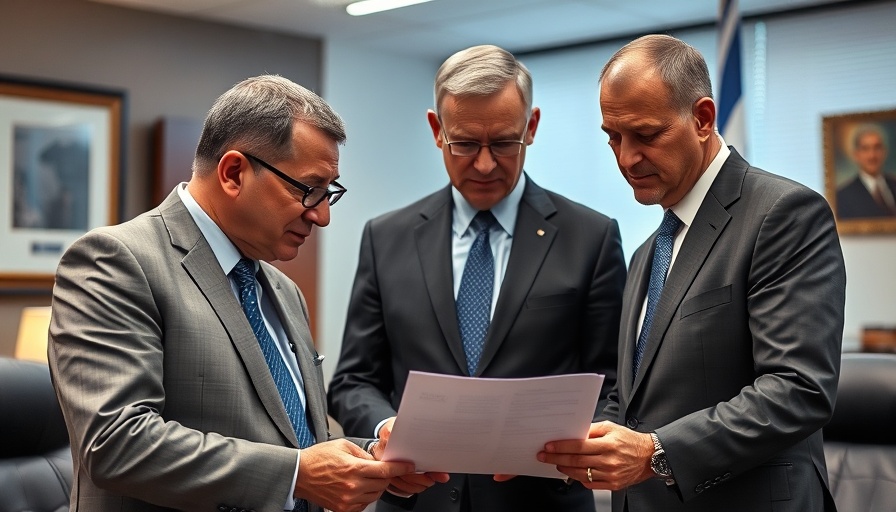
Israeli government dismisses Shin Bet chief, official setting.

The Dismissal of Shin Bet Chief: A Significant Political Move

In a unanimous decision, the Israeli government has dismissed Ronen Bar, the head of the Shin Bet, the country’s internal security service. This abrupt change in leadership was announced during a cabinet meeting on Thursday, March 21, 2025. The implications of this decision extend beyond the walls of power in Israel; they resonate deeply within the realms of security, governance, and societal expectations.

Understanding the Impact on National Security

The Shin Bet plays a pivotal role in maintaining the internal security of Israel, especially amid ongoing conflicts and regional tensions. The dismissal of a leader in such a crucial position raises questions about the government’s future strategic direction. Many wonder how this will influence ongoing operations against threats, particularly in relation to terrorism and border security.

Exploring Political Motivations Behind the Dismissal

Prime Minister Benjamin Netanyahu has often been seen as a figure willing to make significant changes in leadership to align with his political goals. The dismissal of Ronen Bar may suggest an effort to implement a new approach towards security policies. Political analysts are keenly observing whether this move indicates a shift in focus for Israel's internal security strategies.

Historical Context: Leadership Changes in Israeli Security Services

The history of leadership changes within Israel’s security agencies has often been fraught with controversy and public speculation. Each dismissal carries with it the potential for new philosophical and strategic directions regarding security. Just as in the past, this recent decision may open the door to new tactics and responses to threats faced by the nation.

Broader Implications for Society and Governance

This change is not just about one individual but could have rippling effects across Israeli society. As citizens grapple with ongoing security issues, the expectation of effective governance grows. The public’s reaction to such changes can influence the political landscape, prompting discussions about accountability and leadership effectiveness.

Future Predictions: What’s Next for Shin Bet?

Looking ahead, many speculate about who will take Bar’s place and how they will navigate the complex terrain of Israeli security. The search for a new chief could lead to a candidate embodying a different perspective, perhaps focusing on cooperation and intelligence sharing with other nations. This may provide pathways for diplomatic efforts in a region often marked by strife.

As discussions around the dismissal continue, it’s essential for those interested in the intersection of faith, politics, and human rights to engage with these developments. Understanding the nuances behind such decisions is crucial for informed advocacy and dialogue.

For those invested in the welfare of the region, staying informed empowers you to take action and support necessary movements. Ensure you engage with organizations working towards peace and justice in Israel and beyond.

International

14 Views

0 Comments

Write A Comment

*
*
Related Posts All Posts
01.02.2026

Mamdani's Decision to Scrap Anti-Zionism Order: A New New York Era

Update Understanding Mamdani's Reversal: The Political Landscape On January 1, 2026, newly inaugurated New York City Mayor Zohran Mamdani made headlines when he swiftly revoked several executive orders put in place by his predecessor, Eric Adams. This included the controversial order that recognized anti-Zionism as a form of antisemitism, sparking a wave of reactions from various community leaders and organizations. Mamdani's actions mark a significant shift in the city's approach to intercommunal relations and the politics surrounding Israel. The Context of Mamdani's Decisions Mamdani's revocation of these orders comes in a moment of increased scrutiny regarding the treatment of anti-Zionism and its intersection with antisemitism. Critics of the previous administration's stance argued that equating anti-Zionism with antisemitism restricts free speech and freedom of expression. Advocacy groups such as the Council on American-Islamic Relations (CAIR) welcomed Mamdani’s move as a step towards upholding civil liberties and promoting an atmosphere of open dialogue regarding Israel-Palestine relations. Jewish Community Responses The Jewish community, on the other hand, expressed concern over Mamdani's quick disavowal of Adams' policies. Many leaders emphasized the importance of safeguarding Jewish New Yorkers from rising antisemitism, suggesting that the revocations signal an unsettling shift that may embolden anti-Israel sentiment. A joint statement from several Jewish organizations condemned the revocations, urging the new mayor to display consistent leadership in combating antisemitism. The Power of Symbolic Actions By taking such bold actions on his first day in office, Mamdani not only reinforces his political promises but also sets the tone for his administration. His decisions reflect a larger trend of mayors in prominent cities grappling with the complexities of Jewish identity and antisemitism. In a multicultural city like New York, balancing diverse interests while promoting unity requires careful negotiation among various groups. Public Perception and Future Implications Public sentiment towards Mamdani's actions will be crucial as his administration continues to develop its approach to diverse communities. While some may view his actions as a commitment to free speech and a criticism of previous pro-Israel measures, others see a potential weakening of protections against hate speech and antisemitism. Thus, the long-term consequences of his policy alterations remain to be fully understood. Conclusion: Navigating Complexities Ahead The challenges facing Mamdani's administration are multi-faceted, particularly concerning its impact on interfaith dialogue and communal safety. With a significant portion of New Yorkers feeling uncertain about his leadership style and commitment to honestly addressing antisemitism, Mamdani will need to establish a clear stance that resonates with all communities, promoting harmony and mutual respect.

01.02.2026

Inspiring Tales of North Korean Christians: Cho's Journey of Faith and Courage

Update How One Lost Soul Became a Beacon of Light In North Korea, nearly all aspects of life are tightly controlled by a regime that views religion as a significant threat to its authority. Christians exist under a constant cloud of fear, with severe punishments—ranging from imprisonment to execution—awaiting those caught practicing their faith. Yet, as we learn from Cho's harrowing yet inspiring journey, hope exists even in the harshest conditions. The Dare to Believe Cho, known for his unwavering faith, dedicated his life to reaching out to North Koreans fleeing their oppressive environment. His mission was not merely to provide food and shelter but also to offer them the greatest gift of all—the hope of the gospel. "My purpose in life is to save souls," he often stated, embodying the spirit of his calling despite the danger it entailed. The Landscape of Persecution The persecution of Christians in North Korea is among the most acute in the world. According to Open Doors, as many as 70,000 Christians find themselves imprisoned solely for their beliefs. The risks involve not just personal faith but the safety of entire families. If a Christian’s faith becomes known, repercussions can extend to loved ones, reflecting a system built upon fear and oppression. Acts of Courage Amidst Fear Cho’s method of reaching North Korean refugees was as practical as it was dangerous. By offering food and water, he established trust before sharing spiritual guidance. This kindness highlighted a fundamental truth: even a small act of love can have profound ripple effects. His work exemplified how compassion and faith can intertwine, illuminating pathways of hope and ensuring that love persists even in darkness. Hope Through Tragedy In December 2025, Cho passed away due to a long-term illness, leaving behind a legacy of courage and faith. His story reminds us that the power of the gospel transcends borders and barriers. Despite the ultimate cost to Cho, his life was a testament to the belief that no wall can keep God’s love at bay. Even after his death, the ripple effects of his actions continue to inspire countless others to act in faith. Persevering for Justice The narratives surrounding North Korea highlight the pressing need for action. Human rights organizations are calling — now more than ever — for accountability from the United Nations regarding the treatment of Christians and the potential for ongoing genocide. The recent UN reports have opened discussions, suggesting that it’s imperative for the international community to respond to the plight of North Korean Christians more assertively. Conclusion: The Call to Action While Cho's story is a beacon of hope, it also serves as a reminder that the battle against persecution is ongoing. As mission-minded individuals, we are called to engage with the plight of our brothers and sisters in North Korea. Support organizations like Open Doors to provide vital aid and advocacy in this critical context. Every contribution helps shed light on the darkness that seeks to smother the message of hope and love. Join the movement. Donate today to help further the missions that carry hope to the hopeless.

01.02.2026

Aweis’s Story: Following Christ in One of the World's Most Dangerous Places

Update Defying Persecution: Aweis's Journey of Faith Aweis, a Christian from Somalia, embodies the incredible resilience of faith amidst severe persecution. Growing up in a country where the visible presence of Christianity is nearly obliterated by violence and extremism, his story sheds light on the clandestine reality faced by those who choose to follow Christ in a predominantly Muslim nation. With an Islamic upbringing, Aweis was expected to follow in his father's footsteps as a Muslim cleric. Yet, the discovery of a Christian radio station ignited a profound spiritual curiosity within him that would eventually lead him to embrace Christianity. The Cultural Burden of Conversion in Somalia In Somalia, embracing Christianity is more than a personal decision—it’s a cultural and social upheaval. As Aweis has articulated, being Somali is synonymous with being Muslim, which creates a major barrier to conversion. Somali culture places immense importance on clan identity, and converting to Christianity equates to abandoning one's family and community. The proverb Aweis mentions, “As your shoes protect you, so does your clan,” highlights this deep-rooted belief that your clan’s support is essential for survival. When Aweis ultimately declared his faith three years later, he faced immediate rejection from his family and community, becoming an outcast not only spiritually but socially. Loneliness and the Quest for Fellowship Aweis recounts his experiences of isolation over the seven years he spent walking alone in his faith. The emotional toll was significant as he yearned for fellowship with fellow believers. As Somali Christians are often forced to conceal their faith to escape persecution from both family and community, Aweis's determination to find companionship exemplifies the agony and hope that many believers endure. His eventual connection with Liban, another secret believer, serves as a powerfully hopeful turn in his narrative, illustrating the lengths to which believers go to ensure their safety while fostering their faith in secret. The Broader Context of Persecution in Somalia Unfortunately, Aweis's story is not unique. According to reports, Somalia remains one of the most perilous nations for Christians globally. A recent analysis revealed that over 90% of Somali Muslims approve of violent actions against Christians, and many view any sign of sympathy for Christians as an act of betrayal that could warrant extreme punishment. The presence of extremist groups like al-Shabab further complicates the situation, with Christians facing either death or severe repercussions for their faith. Faith Flourishing in Hostile Environments Even in such a harsh landscape, reports indicate that Christianity in Somalia is not extinguishing; it is adapting and growing. The Somali Bible Society estimates an increase in believers, despite the intense societal pressures and threats. Many are inspired to explore Christianity after disillusionment with prevailing ideologies that prioritize violence over peace. The Mohamad couple's experiences, as documented in related reports, reflect a burgeoning interest in understanding Jesus among those who previously knew little about Christianity. Their outreach efforts demonstrate that love and compassion can pierce the darkness of fear and oppression. They connect with fellow Somalis, often using digital platforms, providing emotional and spiritual support to believers back home. The Power of Stories in Advocacy Sharing Aweis’s story and those of other Somali Christians serves as a crucial act of advocacy. By bringing awareness to their plight, we can support humanitarian efforts focused on protecting vulnerable communities. Engaging with stories of perseverance not only illustrates the gravity of the sacrifices made by those who follow Christ in hostile territories, it also inspires mission-minded individuals to act on behalf of their global brothers and sisters. From supporting organizations that provide aid and shelter to persecuted believers to fervent prayers for protection and reconciliation, each action matters. Aweis’s unwavering spirit reveals that belief can flourish, despite overwhelming darkness. His journey lights a path for understanding the complexities of faith in places where it remains perilous and hidden. People like Aweis remind us that even against the greatest challenges, faith can illuminate the darkness. If you wish to aid persecuted Christians like Aweis, consider finding ways to get involved through advocacy and support initiatives aimed at offering aid and hope to those in despair.

Terms of Service

Privacy Policy

Core Modal Title

Sorry, no results found

You Might Find These Articles Interesting

T
Please Check Your Email
We Will Be Following Up Shortly
*
*
*