Add Row
Add Element
cropper
update

Biblical Living Unlocked

Logo - Biblical living unlocked
update
Add Element
  • Home
  • Categories
    • Biblical Parenting
    • Parenting Tips
    • Family Fellowship
    • Bible Teaching
    • Apologetics
    • Community Stories
    • Youth Focus
    • International
    • Walton Evangelical Church
    • Salt Church Mar Menor
    • Salt Church Los Montesinos
    • John Piper
    • News & Offers
Add Element
  • Ken on Facebook
    update
  • update
  • update
  • update
  • update
  • update
  • update
March 05.2026
1 Minute Read

How to Avoid Obstruction Offences While Preaching on the Streets

Have you ever wondered what legal boundaries exist for street preaching in the UK, and how to share your faith without risking obstruction offenses? If you're passionate about sharing the gospel on the streets, knowing your rights and how to stay within the law is essential. This article offers clear, practical guidance on the street preaching obstruction law in England and Wales to help you preach boldly, respectfully, and legally.

What You'll Learn

  • Key legal rights and restrictions related to street preaching obstruction law in England and Wales

  • How to identify public versus private spaces for preaching

  • Understanding the balance between lawful preaching and avoiding obstruction

  • Expert advice on interacting with police during street evangelism

  • Practical tips to ensure your street preaching remains within the law

Overview of Street Preaching Obstruction Law in England and Wales

Understanding the scope of your legal freedom to preach on the streets is vital for effective evangelism. As Steve Harris, of OAC Ministries, highlights, “We have great freedom to preach on the streets. The police aren't out to get us; they often just walk by and allow us to continue. ” This establishes a positive foundation for anyone looking to share the gospel openly.

In general, you do not need permission to preach on genuinely public streets. However, nuances exist, especially when distinguishing between truly public spaces and private properties that may appear similar at first glance. For example, some shopping centres own areas that look like streets but are private land, where permission is necessary.

Public parks can also vary in their regulations. Sometimes bylaws are posted at park entrances prohibiting preaching, so it's vital to check local restrictions before commencing your ministry. Where no such regulations exist, preaching in parks is typically allowed, as they are considered public places similar to streets.

Identifying Public Streets Versus Private Land

  • Ensure you verify that your chosen preaching location is truly public.

  • Be cautious of mistakenly preaching on private land that looks public, especially around shopping centres.

  • Always check for any bylaws in parks that may restrict preaching activities.

Public and private street areas showing clear separation for street preaching obstruction law

For a deeper understanding of your rights and practical steps to take when engaging in street evangelism, you may find it helpful to review additional guidance on what every believer should know about street evangelism rights. This resource covers essential legal insights and real-world scenarios to help you navigate public ministry with confidence.

Common Misconceptions About Offending Listeners and Legal Boundaries

One of the most frequent concerns for street preachers is the fear of offending passersby and the potential legal consequences. Steve Harris explains, “You cannot be stopped from preaching because someone listening is offended or upset. The gospel itself is offensive, not the preacher. ” This distinction is crucial to understand.

The offence that people might feel is often caused by the message of the gospel itself — a challenge to their self-sufficiency and spiritual condition — not by personal behaviour or actions of the preacher. This legal protection allows preachers to fulfil their calling without fear of undue censorship.

However, this does not give licence to be disrespectful or aggressive. Advice from the Evangelical Alliance suggests that if your evangelism faces hostility, it may be wise to adapt your approach — either by moderating your tone or engaging in private conversations. Balancing boldness with Christ-like respect increases effectiveness and safety.

  • Recognise the difference between offence caused by gospel truth and offensive conduct.

  • Follow guidance on responding calmly to hostility to maintain a positive witness.

  • Choose respectful, compassionate communication to reach hearts.
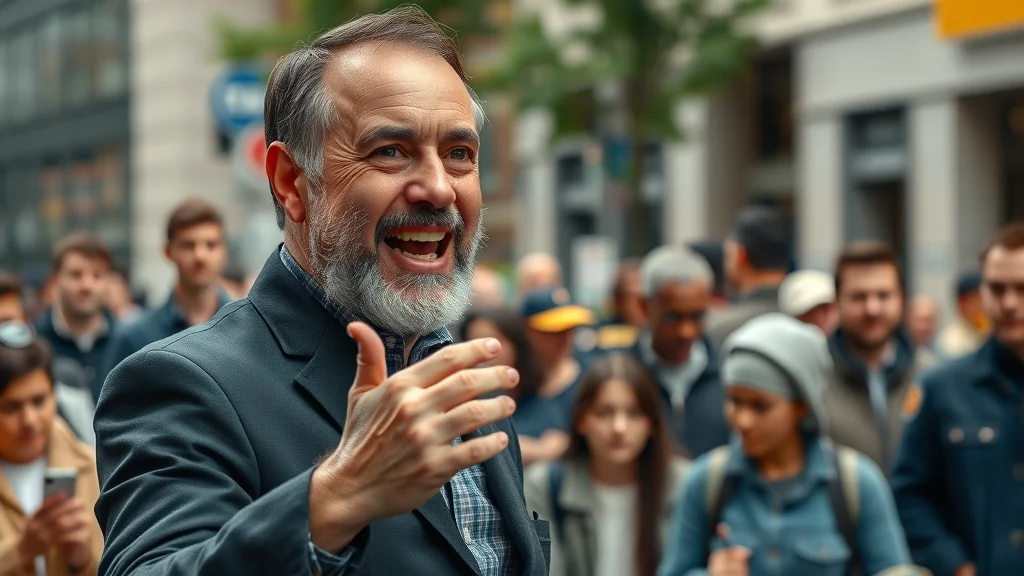
Street preacher sharing gospel respectfully to avoid obstruction law issues

Criminal Law and Street Preaching: Insights from the Redmond Case

  • Summary of Redmond v Director of Public Prosecutions (1999)

  • Three key principles: imminent threat, origin of threat, lawful conduct

  • Ruling: disorder caused by crowd, not preacher, must be addressed

Applying Criminal Law Principles to Street Preaching

The Redmond case provides essential clarity for street preachers facing challenges. It established that if any public disorder or threat of a breach of the peace appears imminent, it's necessary first to determine where that threat originates.

If disorder is caused by passersby reacting, rather than the preacher’s lawful actions, then law enforcement should focus on the disruptive crowd, not the preacher. This case also emphasises that preaching on the streets is indeed lawful conduct, protecting preachers who remain peaceful and respectful.

Therefore, preachers should remain mindful of the potential for conflict but also be reassured that the law supports their lawful right to preach without being blamed for disturbances caused by hostile audiences.

  • Assess if a breach of peace is genuinely imminent before stopping.

  • Clarify if the source of threat is the preacher or audience.

  • Maintain lawful conduct through peaceful, respectful preaching.
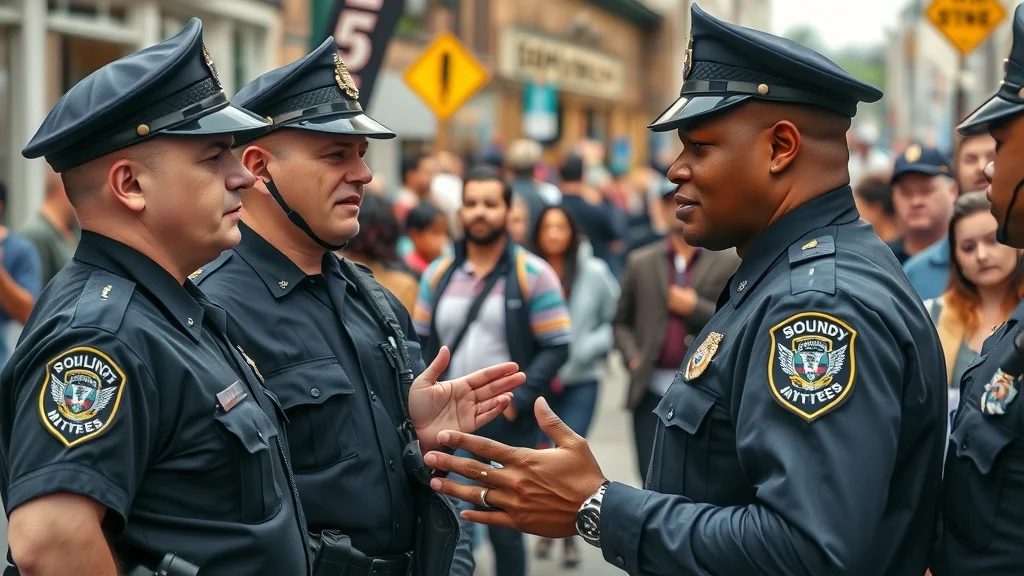
Street preacher calmly discussing legal rights with police while adhering to street preaching obstruction law

Civil Law Considerations: Avoiding Obstruction Offenses While Preaching

Steve Harris shares practical advice: “We often set up our sketch boards against existing street furniture to avoid causing extra obstruction. ” This is key to staying on the right side of civil law.

Under the Highways Act 1980, section 137, it is illegal to willfully obstruct free passage along highways. This means if your preaching area blocks access and lasts for an extended period, you might be committing an offense.

Obstruction law considers factors including the duration of the blockage, the position of the preachers and audience, the purpose of the meeting, and whether obstruction is actual or potential. Brief conversations typically don’t amount to obstruction, but large, long-lasting crowds blocking narrow pavements do.

Setting up near fixed street furniture like lampposts minimises added obstruction. Also, wide, open spaces are preferable to avoid blocking pedestrians. Being aware of these factors helps you continue ministry without legal hindrances.

  • Understand obstruction under the Highways Act 1980 to avoid offenses.

  • Choose wide pavements or areas with existing street furniture for set-up.

  • Avoid blocking narrow footpaths and maintain free passage.

Street evangelist setting up beside lamppost to comply with street preaching obstruction law

Distributing Literature Legally During Street Preaching

Street preachers often supplement their message with gospel leaflets. The Clean Neighbourhoods and Environment Act 2005 changed the landscape for leaflet distribution, establishing regulations that require consent from local authorities for general printed matter distribution.

However, there is a clear exemption under section 1, part 4b for materials distributed for religious purposes. This means gospel leaflets are protected from such restrictions, ensuring preachers can share religious literature without needing prior written consent.

If challenged, it's advisable to kindly request a written explanation and remind authorities of the legal exemption. Doing so helps safeguard your rights and prevents others from facing the same issues.

  • Know that religious literature distribution is exempt from requiring litter authority consent.

  • Prepare to calmly assert your rights if questioned by officials.

  • Request written clarifications to help protect future evangelists.
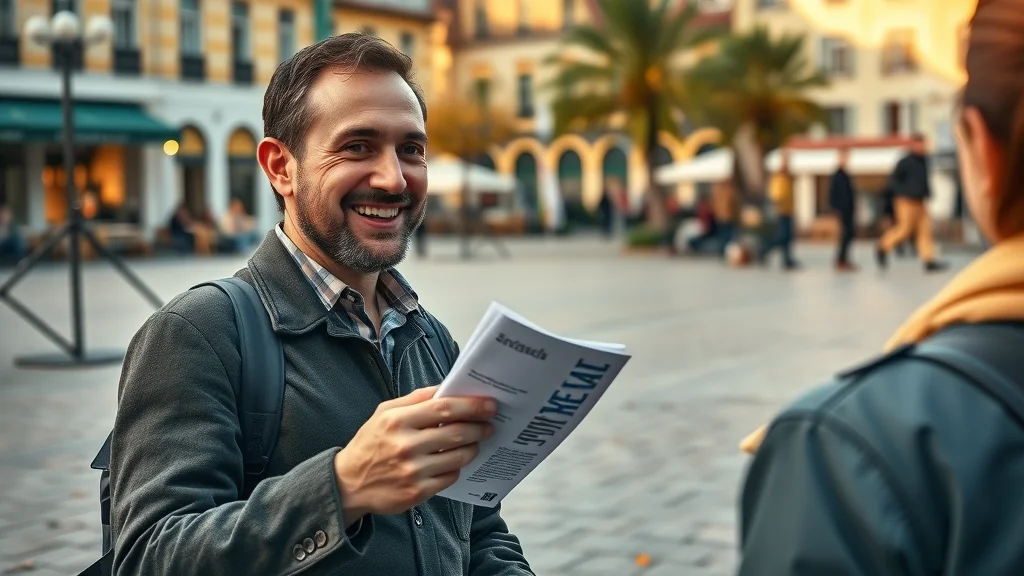
Street preacher handing gospel leaflet legally according to street preaching obstruction law

Effective and Respectful Interaction with Police During Street Preaching

While the police generally support street preaching, encounters can happen. Steve Harris encourages preachers to remain calm and courteous: “If the police ask you to stop, don't argue; calmly ask why and seek to understand their concerns. ”

Constructive dialogue helps resolve issues without escalation. You might ask if permission is needed for the area or for recommendations of better locations to preach. Showing respect fosters positive relations, making police more likely to support your ministry rather than hinder it.

  • Remain calm and courteous when approached by police.

  • Politely ask for reasons and potential accommodations.

  • Maintain respectful dialogue for mutual understanding.
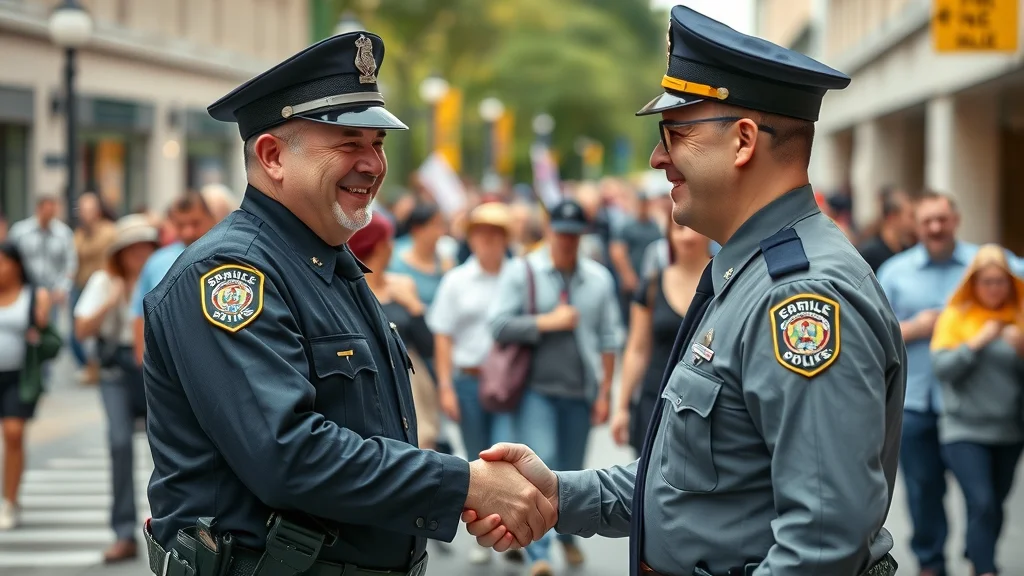
Street preacher respectfully interacting with police to comply with street preaching obstruction law

People Also Ask (FAQs) About Street Preaching Obstruction Law

  • Is it illegal to preach on the streets in the UK?
    No, preaching on public streets in England and Wales is generally legal without needing permission, provided it does not cause obstruction or breach of peace.

  • Do street preachers need a permit?
    Typically, no permit is required for preaching on public streets, but permission may be needed on private land or certain public parks with bylaws.

  • Can you preach on the street?
    Yes, street preaching is allowed on public streets, but preachers must avoid causing obstruction or disorder.

  • Does the Bible say not to preach on street corners?
    The Bible encourages sharing the gospel openly; street corners have historically been common places for preaching.

Key Takeaways on Street Preaching Obstruction Law

  • You have the right to preach on public streets without permission.

  • Avoid causing obstruction by choosing appropriate locations and managing crowd size.

  • The law protects lawful preaching even if the message is offensive to some.

  • Engage respectfully with police to resolve any concerns.

  • Distributing religious literature is exempt from certain littering laws.

Aspect

Legal Consideration

Practical Advice

Public Street vs Private Land

Permission not required on public streets; private land may require consent

Verify location before preaching

Obstruction

Illegal if willfully blocking free passage

Set up near street furniture; avoid narrow footpaths

Offense

Cannot be stopped for offending listeners

Be respectful and consider tone

Police Interaction

Police maintain peace, not to stop preaching

Stay calm, ask questions, seek solutions

Literature Distribution

Exempt from litter authority consent if religious

Know your rights and request written confirmation if challenged

Conclusion: Embracing Your Rights While Preaching on the Streets

Steve Harris encourages, “Preach and declare the gospel boldly on public streets, knowing the law supports your lawful conduct. ” Understanding and respecting your legal rights and obligations empowers you to share the gospel confidently and respectfully.

  • Street preaching is a lawful and protected activity in England and Wales.

  • Understanding and respecting obstruction laws ensures effective evangelism.

  • Being informed empowers preachers to share the gospel confidently and respectfully.

If you’re interested in exploring the wider context of public faith expression and the challenges Christians face in today’s society, consider reading about freedom of speech and Christian values in modern culture. This broader perspective will equip you with a deeper understanding of how legal rights, societal attitudes, and personal conviction intersect—empowering you to navigate not just the streets, but the broader public square with wisdom and courage.

Further Resources and Call to Action

  • Explore detailed legal guidance and support materials linked below.

  • To learn more about The Street Preacher’s Charter, visit https://the.ci/streetpreachers

Sources

  • https://the.ci/streetpreachers

  • Highways Act 1980, section 137

  • Clean Neighbourhoods and Environment Act 2005, section 1

  • Redmond v Director of Public Prosecutions (1999)

Understanding the legal framework surrounding street preaching in the UK is essential for evangelists aiming to share their faith without infringing on public order laws. The Public Order Act 1986 is a pivotal piece of legislation that addresses offences related to public order, including those that might arise during street preaching activities. This Act outlines various offences and provides guidelines to ensure that public gatherings and expressions, such as street preaching, do not escalate into disturbances. (en. wikipedia. org) For a comprehensive understanding of the rights and responsibilities associated with street preaching, The Street Preacher’s Charter serves as an invaluable resource. This charter offers detailed guidance on lawful preaching practices, emphasizing the importance of respecting private property, avoiding obstructions, and adhering to local regulations. It also provides practical advice on interacting with law enforcement and understanding the nuances of public order laws as they pertain to evangelistic activities. (christian. org. uk) By familiarizing yourself with these resources, you can confidently engage in street preaching, ensuring that your activities are both impactful and compliant with UK laws.

Community Stories

2 Views

0 Comments

Write A Comment

*
*
Related Posts All Posts
03.04.2026

Navigating the Challenge of Reform for Christians: A Journey Together

Update Understanding the Need for Reform in Christianity Change often breeds tension, and for many Christians today, the call for reform within their faith can feel overwhelming. The video titled The challenge of Reform for Christians explores the complexities that arise when traditional beliefs are tested against modern realities. This discussion urges us, as a community, to reflect on our values, encouraging openness while navigating the shifting landscape of spirituality and faith.In The challenge of Reform for Christians, the discussion dives into the complexities of faith in modern society, exploring key insights that sparked deeper analysis on our end. Historical Context: Lessons from the Past Throughout history, Christianity has undergone numerous transformations—from the Reformation that challenged not just church practices but also societal norms, to the Great Awakening that prompted a renewed passion for personal faith. Each wave of reform has brought challenges but also immense opportunities for growth and revitalization within the church. Today’s reform discussions are part of a long-standing tradition of seeking to better understand God’s vision for our lives and our society. A Community Perspective: The Implications of Reform Reform isn't just about doctrine or theology; it has profound implications on how faith communities engage with the world. For modern Christians, this could mean reassessing how inclusivity and social justice are woven into church practices. By facing the complexities of cultural relevance, Christians can express their faith more authentically while addressing real issues like poverty, racial injustice, and mental health within their congregations. Future Insights: What Lies Ahead? Looking to the future, the conversation around reform poses a critical question: How can Christians navigate their faith amid societal shifts? The dialogue encourages community members to reimagine church roles, beyond Sundays. By actively participating in local issues, Christians have the potential to make a significant impact on their communities. Engaging with these matters may very well redefine what it means to live out one's faith in a contemporary context. Personal Reflection: Aligning Faith with Modern Life As individuals embark on this journey of reflection and reform, it’s essential to consider how each person's experience informs their understanding of faith. Many Christians find themselves grappling with questions of compatibility between traditional beliefs and modern values. It becomes a deeply personal quest: How does one honor their spirituality while being open to transformation? Sharing personal stories of struggles and victories can foster deeper connections within congregations. Call to Action: Join the Conversation If you resonate with the challenges and opportunities posed by reform, consider joining conversations at your local church or in community groups. Embrace the warmth of fellowship and share your insights and experiences openly. These discussions can help shape a faith that honors the past while eagerly looking towards the future. The topic of reform is not just about rules or regulations; it’s about the heart of the faith community. It encourages us to love, accept, and grow together, even when faced with differing perspectives. As we explore these ideas together, we can transform not just our churches but our world.

03.03.2026

How Depending on the Lord Can Transform Young Lives

Update Finding Strength in Faith: The Power of Dependence on God In today’s fast-paced world, many of us search for stability, assurance, and hope. The message in the video ‘Depending on the Lord’ resonates strongly with those seeking to uphold Christian values amid various challenges. This concept emphasizes that reliance on God provides not just comfort but also strength to navigate life’s uncertainties.The video ‘Depending on the Lord’ shares a crucial message about faith, encouraging us to analyze its implications for young believers and their communities. The Importance of Building Faith Building a strong faith is crucial, especially for young believers. It lays a solid foundation for character and personal development. Children and teenagers who learn to depend on God often find themselves more resilient against the challenges they face in school, friendships, and even family dynamics. Investing time in prayer, reading scripture, and engaging with a supportive community can greatly enhance one's faith journey. A Personal Connection to God Establishing a personal connection with God goes beyond attending church services. It involves daily interactions through prayer and reflection, creating an intimate relationship that nurtures trust and reliance. Young individuals, growing in their understanding of God, can come to see Him as a confidant and guide. This becomes especially important during times of struggle or doubt. Building Community and Support Networks Communities like the Salt Church in Los Montesinos and Walton Evangelical Church play a vital role in fostering environments where young believers can explore their faith openly. These spaces provide opportunities for youth to share concerns, experience interfaith dialogue, and engage in activities that embed Christian values within their lives. Being part of such communities strengthens the sense of belonging and support, encouraging members to depend on one another and God. Facing Adversity with God’s Guidance Life is, inevitably, filled with struggles. Christian teachings remind us that these challenges serve a purpose. When we rely on God during tough times, we often emerge stronger, equipped with lessons that build character. The perspective that adversity is an opportunity for growth can inspire hope in young believers. They learn that while they can’t foresee the future, their dependence on God will guide their choices and actions. What Parents Can Do to Encourage Dependence on God Parents play a crucial role in teaching their children the importance of relying on the Lord. Reading the Bible as a family, discussing daily experiences in light of scripture, and emphasizing the power of prayer sets the stage for nurturing faith in young hearts. Encouraging them to share their experiences—both joyous and challenging—supports a culture of dependence on divine support. Final Thoughts Upholding Christian values in a fluctuating world is not just about beliefs; it’s about action. The essence of ‘Depending on the Lord’ is the idea that true strength comes from faith—an attribute we must cultivate deliberately. Whether you are a young believer or a parent guiding your children, leaning into God’s love and wisdom shapes the future. Join a church community, engage in family Bible studies, and reflect on your personal relationship with God, for in doing so, you foster a tradition of faith that can inspire generations.

03.02.2026

The Essential Role of Marriage in Strengthening Society Today

Update Why Marriage Matters in Our Society In the video titled ICYMI: MP: Marriage is good for society, the vital role of marriage in sustaining healthy communities is emphasized. Marriage is more than just a union between two people; it serves as a cornerstone of society, impacting everything from family structure to community well-being. For those who uphold Christian values, understanding the significance of marriage aligns closely with Biblical teachings that promote love, commitment, and the importance of family.In ICYMI: MP: Marriage is good for society, the discussion dives into the importance of marriage within communities, exploring key insights that sparked deeper analysis on our end. The Biblical Foundation of Marriage From a Christian perspective, marriage is established on foundational texts such as Genesis 2:24, where it states, "Therefore a man shall leave his father and mother and be joined to his wife, and they shall become one flesh." This scripture highlights the divine design of marriage as a sacred covenant, encouraging believers to see it as a reflection of God's love for humanity. Upholding marriage strengthens not just the couple, but the entire community as it fosters stability and moral responsibility. How Marriage Benefits Society Studies have shown that married couples tend to contribute positively to society in various ways. Married couples are often more inclined to engage in community service, raise responsible children, and create a supportive environment for individuals to thrive. Additionally, strong marriages can reduce the prevalence of poverty, providing a safety net for families and enabling better educational outcomes for children. As the video illustrates, prioritizing marriage can indirectly bolster societal values and contribute to a harmonious community. Counterarguments: Why Some Stand Against Marriage While many advocate for marriage as a societal bedrock, there are arguments against it that suggest marriage can be a restrictive institution. Critics argue that it may lead to pressures and unrealistic expectations. Furthermore, some believe that modern, alternative family structures could provide the same societal benefits. It is important to recognize these perspectives and foster discussions that include various viewpoints while still upholding the Christian foundational tenets of love and commitment. Future Trends: The Evolution of Marriage As society progresses, the concept of marriage continues to evolve. We see shifts toward inclusivity and acceptance of diverse family structures. For those who prioritize Christian teachings, it is essential to engage thoughtfully with these changes while staying true to the values that define marriage in a Biblical context. Future discussions about marriage will likely involve balancing traditional beliefs with contemporary views whilst remaining a positive force in society. Encouraging Strong Marriages Today For individuals and communities looking to promote the value of marriage, the first step is fostering open conversations about its benefits. Churches can lead initiatives that provide support for engaged and newlywed couples, offering counseling and resources for building a strong foundation. Educational programs centered on family dynamics can inspire young people to appreciate the significance of committed relationships from an early age, equipping them with the tools needed for successful marriages. The Human Connection: How Marriage Influences Us Marriage is fundamentally about human connection. It teaches lessons of empathy, patience, and compromise. For children raised in loving, married households, this often translates into healthy interpersonal skills and an understanding of commitment that forms the basis for their own relationships. By prioritizing marriage, we not only impact individual lives but also the broader community, nurturing a culture of love and support. In conclusion, the insights from ICYMI: MP: Marriage is good for society remind us of the profound importance of marriage in creating a stable, nurturing community. As we advocate for Christian values, let us encourage strong marriages by supporting each other and acknowledging the critical role they play in our lives. Together, we can ensure that the virtues of commitment, love, and family continue to thrive in our society.

Terms of Service

Privacy Policy

Core Modal Title

Sorry, no results found

You Might Find These Articles Interesting

T
Please Check Your Email
We Will Be Following Up Shortly
*
*
*