Add Row
Add Element
cropper
update

Biblical Living Unlocked

Logo - Biblical living unlocked
update
Add Element
  • Home
  • Categories
    • Biblical Parenting
    • Parenting Tips
    • Family Fellowship
    • Bible Teaching
    • Apologetics
    • Community Stories
    • Youth Focus
    • International
    • Walton Evangelical Church
    • Salt Church Mar Menor
    • Salt Church Los Montesinos
    • John Piper
    • News & Offers
Add Element
  • Ken on Facebook
    update
  • update
  • update
  • update
  • update
  • update
  • update
March 09.2026
1 Minute Read

How Law Enforcement Views Street Evangelism: Perspectives and Practical Advice

Street evangelism often sparks deep emotions—passion, fear, misunderstanding. Understanding law enforcement’s perspective isn’t just about rules; it’s about respecting community safety and freedom. This insight bridges gaps, ensuring your message reaches hearts without conflict, creating safer, more respectful public spaces for all voices.

Opening: The Intersection of Street Evangelism and Law Enforcement

Taking the step to proclaim the gospel through street evangelism can stir many feelings—not least questions about legal rights and how police officers will respond. For many evangelists, clarity on the “police perspective street evangelism” can be reassuring and empowering.

Steve Harris of OAC Ministries, who has preached across England and Wales for over a decade, shares a reassuring message: the police are generally supportive and not looking to hinder genuine preaching efforts. In fact, it is common for officers to simply observe and carry on, recognising the lawful right to share the Christian faith publicly.

This perspective is vital because it can dispel fears and encourage evangelists to engage respectfully and confidently in public places, knowing that their lawful activities are protected and valued within community safety frameworks.
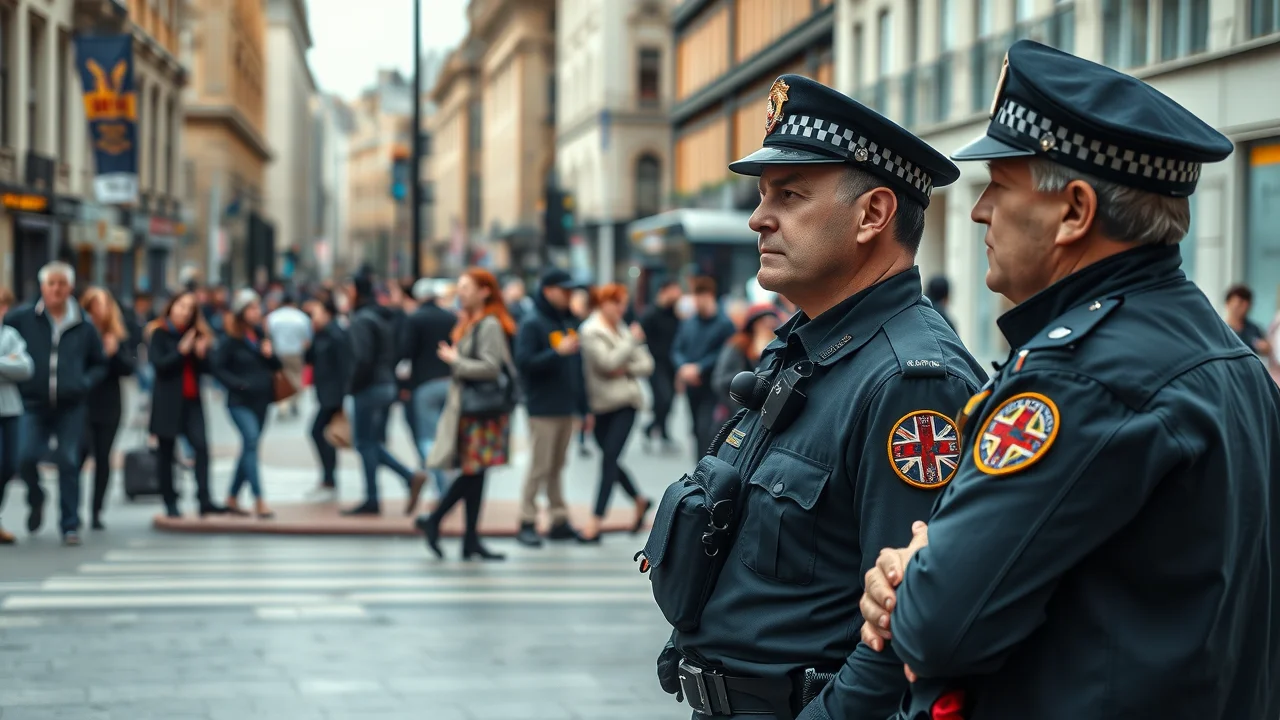
Police perspective street evangelism: two uniformed police officers observing a peaceful street preacher at a modern city intersection with diverse pedestrians

Police officers calmly observing a street preacher in an urban environment, exemplifying a respectful and neutral police perspective on street evangelism.

Overview of Police Perspective on Street Evangelism and Public Order

"The police aren't out to get us. I've preached for over twelve years and never once been stopped by police simply for preaching." — Steve Harris, OAC Ministries

Street evangelism walks a fine line between exercising freedom of speech and maintaining public order. Police officers often approach this balance with an intent to preserve peace without unnecessarily restricting lawful activities like sharing the gospel.

The police generally acknowledge that preaching the gospel is a lawful conduct and that any issues typically arise not from the preacher but from reactions caused by bystanders. As Steve Harris explains, their role is to discern where any public disturbance originates and to act accordingly, often facilitating peaceful expression of faith on public streets.

Clarifying Public Order and Its Impact on Street Preachers

Understanding public order is crucial for evangelists. It refers to the peace, safety, and decency of public spaces. Police focus on preventing breaches of peace, such as violence or threats, rather than suppressing lawful speech.

When a preacher is simply speaking on a public footpath or street, police tend to interpret that as lawful and protected speech. Problems only occur if a breach of peace appears imminent, often from oppositional crowds rather than the preacher themselves. Recognising this dynamic allows evangelists to remain calm and lawful while being aware of the atmosphere around them.
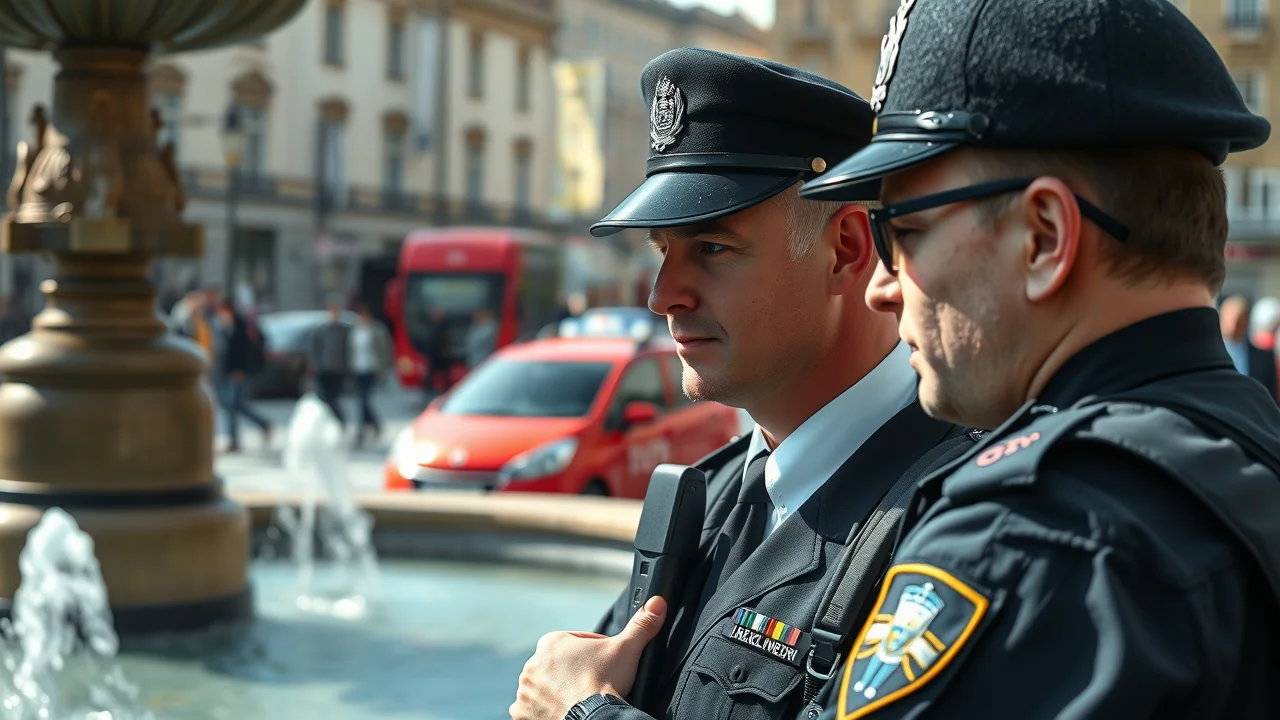
Attentive police officer listening peacefully to street preacher by city fountain, demonstrating a calm police perspective street evangelism

Police and street preacher interaction demonstrating mutual respect and understanding of public order responsibilities.

Legal Rights and Restrictions for Street Preachers in Public Spaces

Preaching on Public Streets vs. Private Property

It is important to distinguish between preaching on a true public street and on private property that might feel like a public space. Public streets do not require permission for preaching the gospel. This right is well established under UK law, allowing evangelists to freely share their message.

However, places like shopping centres may look like public areas but are privately owned, requiring permission to preach. Similarly, some public parks might enforce bylaws restricting preaching, which will be posted visibly if applicable. Evangelists should check the status of locations before setting up to avoid conflicts and respect property rights.

Handling Offense and Hostility During Evangelism

"The gospel is offensive because it challenges people’s self-sufficiency, but we should never be offensive ourselves. Our goal is to win people to Christ." — Steve Harris, OAC Ministries

Confronting offense is often a part of street evangelism. While the gospel message can be challenging and offensive to some, this does not justify being offensive in approach or words. The goal remains to win hearts through respectful communication rather than confrontation.

Steve Harris advises adapting evangelism styles based on the response of the audience. Sometimes boldness is needed, other times a gentler, more personal conversation is more effective. The emphasis is on maintaining a Christ-like approach that encourages rather than provokes hostility.

Thoughtful street preacher calmly engaging a small crowd, illustrating police perspective street evangelism in a respectful manner

Street preacher engaging respectfully with listeners, embodying the balance needed to maintain positive public and police interactions.

Criminal Law and Public Order: Key Case Insights

Three Legal Considerations for Street Evangelism

  1. Is there an imminent threat of breach of the peace?

  2. Is the threat coming from the preacher or the crowd?

  3. Is the preacher pursuing lawful conduct?

In the landmark case Redmond-Bate v Director of Public Prosecutions (1999), the courts clarified how these factors determine the legality of street preaching. The ruling reinforced that if disorder or threats arise, the party causing the threat (often bystanders rather than preachers) should be addressed by law enforcement. The preacher's right to lawfully conduct evangelism is protected from unjust interference.

This key ruling empowers evangelists, confirming their conduct is legal as long as it remains peaceful and lawful, and any threats from bystanders cannot be used as grounds to stop preaching unfairly.

Civil Law and Obstruction: Practical Advice for Street Preachers

Busy urban street with street preacher near lamppost and moderate crowd, illustrating good police perspective street evangelism avoiding obstruction

Preacher setting up near existing street furniture to avoid obstruction and comply with civil law.

Best Practices to Avoid Obstruction

  • Set up near existing street furniture to minimize additional obstruction

  • Choose wide, open areas for preaching

  • Monitor crowd size to prevent blocking pedestrian flow

The civil law, particularly under the Highways Act 1980, Section 137, forbids willful obstruction of free passage along the highway. Preachers must therefore be mindful to avoid blocking pavements or streets, especially during peak times or narrow paths.

Steve Harris shares practical advice from OAC Ministries — setting up near lampposts or benches incorporates the preaching spot naturally into the environment without adding new barriers. Evangelists should always consider the size of their audience and whether pedestrians can pass freely to stay on the right side of the law and police expectations.

Wide city pavement with street preacher next to bench, ensuring police perspective street evangelism supports pedestrian flow

Preacher positioned to allow free pedestrian movement demonstrating respect for public space and laws.

Distributing Literature: Understanding Relevant Legislation

Distributing gospel literature is another common evangelism activity, and it too is legally protected. The Clean Neighbourhoods and Environment Act 2005 includes provisions about leafleting but carves out an exemption for religious material. This means gospel leaflets can be freely handed out without requiring consent from local authorities.

If challenged, evangelists should refer to section 1, part 4(b) of the Act and may request a written apology or clarification from officials to protect future activity. This legal protection supports the important practice of sharing faith through printed material as an extension of street evangelism.

Engaging Respectfully with Police During Street Evangelism

"If police ask you to stop, don’t argue. Calmly ask why and explore ways to continue preaching respectfully." — Steve Harris, OAC Ministries

Interactions with police officers during evangelism should be approached with calmness and respect. Officers are typically motivated by a desire to keep public order and not by opposition to preaching.

Steve Harris encourages evangelists to listen carefully to police concerns, ask clarifying questions, and work collaboratively to find solutions that enable preaching to continue legally and peacefully. Being courteous helps maintain a good relationship and avoids unnecessary conflict.

For those seeking a deeper understanding of the specific legal protections and practical steps for sharing the gospel in public, it’s helpful to review a comprehensive guide on street preaching legal rights in the UK, which outlines how to share your faith safely and confidently.

People Also Ask: Common Questions About Street Evangelism and Law

  • Is it legal to preach in public in the UK? – Yes, preaching on public streets is lawful under freedom of speech protections.

  • What are the five P's of evangelism? – Prepare, Pray, Personalise, Persist, Present.

  • Does the Bible say not to preach on street corners? – The Bible mentions preaching on street corners but does not forbid it; it encourages sharing the gospel broadly.

  • What does the Bible say about police? – The Bible encourages respect for authorities as God’s servants, maintaining peace and order.

Key Takeaways: Navigating Police Perspective Street Evangelism

Aspect

Key Point

Expert Advice

Police Attitude

Generally supportive if public order maintained

Be respectful and cooperative

Legal Rights

No permission needed on public streets

Confirm public vs private property

Obstruction

Avoid blocking pedestrian flow

Use street furniture to minimize obstruction

Offense

Gospel may offend but is protected

Be mindful of tone and approach

Literature Distribution

Religious leaflets exempt from consent laws

Know your rights to distribute

Conclusion: Embracing Freedom with Responsibility in Street Evangelism

You have the legal freedom to share the gospel openly. By respecting public order, avoiding obstruction, and engaging police courteously, you can preach confidently and safely in public spaces.

To learn more about The Street Preacher’s Charter, visit https://the. ci/streetpreachers

If you’re interested in the broader context of how legal frameworks shape street evangelism, exploring what most people overlook about the Street Preacher’s Charter can offer valuable perspective. This resource delves into the foundational principles and lesser-known rights that underpin public gospel outreach in the UK. By understanding these deeper legal nuances, you’ll be better equipped to navigate challenges and make the most of your evangelistic opportunities. Take your knowledge further and discover how the Charter continues to empower street preachers today.

Sources

  • Highways Act 1980, Section 137

  • Clean Neighbourhoods and Environment Act 2005, Section 1

  • Redmond-Bate v Director of Public Prosecutions (1999)

  • OAC Ministries

Understanding law enforcement’s perspective on street evangelism is crucial for effective and respectful public ministry. The article “How to Interact with the Law Enforcement” provides practical advice on engaging with police officers during street preaching, emphasizing the importance of respect and cooperation to ensure that evangelistic efforts remain uninterrupted and within legal boundaries. (carm. org) Additionally, the “Handbook for Street Evangelism” offers comprehensive guidelines on conducting public ministry, including strategies for interacting with authorities and maintaining public order. (steiger. org) These resources equip evangelists with the knowledge to navigate legal considerations and foster positive relationships with law enforcement, enhancing the effectiveness and safety of their outreach activities.

Community Stories

2 Views

0 Comments

Write A Comment

*
*
Related Posts All Posts
03.09.2026

Understanding Your Rights to Preach on Public Streets in England and Wales

Ever felt your voice could ignite change but feared speaking out? Knowing your street evangelism rights in England and Wales empowers you to share your faith confidently and lawfully. Stand tall, protect your freedom, and transform public spaces into platforms for meaningful dialogue and hope. This article will guide you through your legal freedoms and responsibilities as a street preacher, breaking down complex legislation into clear, practical advice so you can step out with assurance and respect.Opening: Empowering Your Voice Through Street Evangelism RightsIf you are passionate about sharing the gospel publicly, understanding your street evangelism rights is essential. Contrary to some misconceptions, the law in England and Wales generally supports public preaching on genuine public streets without the need for prior permission. This means you can proclaim your faith openly, reaching those who might never hear the message otherwise.Steve Harris, of OAC Ministries, emphasises, “We have great freedom to preach on the streets… The police aren’t out to get us. ” His experience preaching across England and Wales for over twelve years confirms that respectful street evangelism seldom causes problems with authorities. Knowing your rights builds confidence and prepares you for any challenges, helping you focus on your mission — sharing the good news of Jesus Christ.What You'll Learn: Key Insights on Street Evangelism Rights and Free SpeechThe legal framework governing street evangelism rights in England and WalesHow free speech and freedom of speech apply to street preachersUnderstanding public vs private land and its impact on preachingNavigating police interactions and civil law considerationsBest practices for effective and lawful street evangelismOverview of Street Evangelism Rights and Free Speech in England and WalesDistinguishing Public Streets from Private Land and ParksUnder UK law, you do not need permission to preach on public streets, which are considered public highways. However, it is crucial to correctly identify what counts as a “public street. ” Some areas that look public - such as parts of shopping centres - are actually private land owned by companies, where different rules apply.Similarly, public parks often have bylaws that can prohibit street preaching. These restrictions are usually clearly displayed at park entrances. Where no such bylaw exists, preaching is generally lawful. As Steve Harris explains, “You have to be careful in some of those areas… to ensure that where you are preaching is actually a public street. ” Recognising these distinctions ensures you exercise your rights responsibly within the correct legal boundaries.For a more detailed breakdown of the practical steps and legal nuances every believer should be aware of when engaging in street evangelism, you may find it helpful to review this comprehensive guide on key rights and best practices for street evangelists. It offers additional clarity on navigating public spaces and handling common challenges.Legal Boundaries: Criminal and Civil Law Affecting Street Evangelism RightsCriminal Law: The Redmond Case and Its ImplicationsThe landmark 1999 case of Redmond-Bate v Director of Public Prosecutions clarified key rights for street evangelists. When Redmond refused to stop preaching despite police concerns about possible public disorder, the court ruled the threat of violence came from hostile listeners, not the preacher. The judge emphasised three conditions: Is there an imminent threat causing breach of the peace? Where does the threat originate—from the preacher or crowd? Is the conduct lawful? Preaching the gospel is lawful conduct, so it is those causing disorder who should be stopped, not the street preacher.Steve Harris notes, “If the threat of disorder or violence is coming from passersby reacting to provoke trouble, it is they - not the preachers - who should be stopped." This ruling protects your right to preach peacefully, highlighting that your lawful street evangelism shouldn't be curtailed due to others' reactions.Civil Law: Understanding Obstruction and ReasonablenessWhile criminal law upholds your right to preach, civil law introduces considerations related to obstruction. The Highways Act 1980 (Section 137) makes it an offence to willfully obstruct free passage along a highway. If your preaching draws a crowd that blocks pedestrian flow, this could legally be deemed obstruction.However, reasonableness is key. Brief stops to speak do not usually cause obstruction. Strategically positioning yourself near existing street furniture, like lamp posts or benches, can minimise impact. As one OAC Ministries evangelist recounts, “The officer pointed out that the crowd was blocking the street… so I accepted that I was causing an obstruction. ” Awareness and precautions help maintain effective outreach while respecting public space.Navigating Offense and Hostility: Balancing Boldness with RespectA common concern for street preachers is whether offending listeners is legal grounds for being stopped. The answer is no. The law protects your right to speak even if the gospel message causes offence. Steve Harris advises, “The gospel is offensive to people because it says they need God’s help… but we shouldn’t be offensive ourselves. ” The aim is to win hearts, not create unnecessary hostility.Practical advice from the Evangelical Alliance encourages adapting your approach when faced with hostility. Sometimes it’s wise to change tone, offer private discussion, or move location. Balancing boldness with kindness increases your message’s effectiveness and honours your calling.Distributing Literature: Rights and Restrictions Under the Clean Neighborhoods and Environments Act 2005Giving out gospel literature is a vital part of street evangelism. The Clean Neighborhoods and Environments Act 2005 initially caused confusion by requiring consent to distribute printed material. However, Section 1(4)(b) expressly exempts distribution “for the purposes of religion,” protecting evangelists from needing litter authority permission.Steve Harris explains, “If Christians are stopped from giving out literature under this Act, they should request a written apology and clarification citing the exemption.” Understanding this exemption ensures you don't avoid sharing leaflets due to unnecessary fear of breaking the law.Interacting with Police: Best Practices for Street PreachersPolice officers usually respect street evangelism rights and seek to maintain peace rather than target preachers. If approached by police, remain calm and courteous. Steve Harris recommends, “If the police ask you to stop, don’t argue; calmly ask why and if there’s a way to resolve the issue so you can continue preaching.”Explain your understanding of the law politely, and if permission is cited due to location, ask for information on how to obtain it or suggestions for alternative places to preach. Kindness and respect generally encourage positive police interactions, allowing your ministry to continue unhindered.Common Misconceptions About Street Evangelism Rights and Free SpeechPolice are not actively trying to stop street preachersPermission is not required on genuine public streetsOffending listeners is not legal grounds to stop preachingDistributing religious literature is exempt from litter authority consentActionable Tips for Exercising Your Street Evangelism Rights EffectivelyVerify your preaching location is public land to ensure legalitySet up near existing street furniture to avoid causing obstructionAdapt your message tone when met with hostility for effective witnessEngage respectfully with police and authorities to foster cooperationDistribute gospel literature confidently knowing your legal exemptionsPeople Also Ask: Common Questions on Street Evangelism RightsDo I need permission to preach on public streets in England and Wales?Can I be stopped for offending someone while preaching?What should I do if the police ask me to stop preaching?Am I allowed to distribute gospel leaflets without consent?How do I avoid causing obstruction while preaching?Key Takeaways: Summary of Street Evangelism Rights and Best PracticesAspectKey PointExpert InsightLegal Right to PreachNo permission needed on public streetsSteve Harris: “We have great freedom to preach on the streets.”Police InteractionBe respectful and seek clarificationSteve Harris: “Kindness leads to better cooperation.”ObstructionAvoid willful obstruction; use street furnitureExample story from OAC Ministries evangelistOffenseGospel may offend but preachers cannot be stoppedAdapt tone for effectivenessLiterature DistributionExempt from litter authority consentSection 1(4)(b) of Clean Neighborhoods ActConclusion: Stand Confidently in Your Street Evangelism RightsEmbrace your legal right to preach publically, respect your surroundings, and engage with kindness. Your voice can sow seeds of hope and change across England and Wales—step out with confidence and conviction today.If you’re inspired to take your understanding of free speech even further, consider exploring how Christians can thoughtfully engage in public dialogue and defend their beliefs in a rapidly changing society. Our in-depth article on navigating free speech from a Christian perspective offers practical wisdom for fostering respectful conversations and strengthening your witness beyond the streets. Discover how embracing dialogue can empower your evangelism and help you respond to challenges with both conviction and grace.Call to ActionTo learn more about The Street Preacher’s Charter and deepen your understanding of street evangelism rights, visit https://the. ci/streetpreachers.SourcesHighways Act 1980, Section 137Clean Neighbourhoods and Environment Act 2005, Section 1Redmond-Bate v Director of Public Prosecutions (1999) EWCA Crim 1810OAC Ministries Official WebsiteEvangelical Alliance Resources on Evangelism Best PracticeTo further enhance your understanding of street evangelism rights in England and Wales, consider exploring the following resources: The Street Preacher’s Charter: This comprehensive guide outlines the rights and responsibilities of individuals engaging in public preaching, providing legal insights and best practices to ensure lawful and effective evangelism. (christian. org. uk) Street Preacher’s Charter - OAC GB Ministries: Endorsed by Open Air Campaigners GB, this resource offers practical advice and real-life scenarios to help street preachers navigate their ministry within legal boundaries. (oacgb. org. uk) These resources will equip you with the knowledge and confidence to share your faith publicly while respecting legal frameworks and community standards.By Ken Johnstone MBA BSc, Executive Editor, Biblical Living Unlocked

03.07.2026

Celebrating the Legacy of Jack Scarisbrick: Upholding Christian Values

Update Remembering Jack Scarisbrick: A Beacon of Faith In the profound narrative of faith and influence, a name stands out brightly: Jack Scarisbrick. The British theologian and revered advocate for Christian values passed away at the age of 98 in 2026, leaving behind a legacy that continues to inspire generations. Known for his unwavering commitment to the teachings of Christ and promoting discussions around faith, Jack's influence is particularly notable among young believers and church communities striving to uphold their values in a rapidly changing world.In ICYMI: Jack Scarisbrick: 1928-2026. #ChristianInfluence, the impact of his teachings on faith and community sparked deeper reflection on his contributions. The Impact of Christian Influence in Society Jack Scarisbrick’s life was a testament to the power of Christian influence in society. He dedicated his life to fostering a deeper understanding of faith through his writings and teachings, which emphasized the importance of living out one's beliefs openly and vibrantly. As he often pointed out, the role of Christians is not just to attend church or participate in rituals but to embody love and service in every aspect of life. The Dialogue Around Faith and Politics Reflecting on the intersection of faith and politics, Jack reminded us that it is crucial for Christians to engage thoughtfully in societal issues. His teachings encouraged congregations to consider how their faith informs their actions and positions on various socio-political matters. This is particularly relevant today as young Christians seek to make their voices heard in discussions on social justice, community service, and global concerns. Hope for Future Generations Jack Scarisbrick's legacy is especially relevant for today’s youth who grapple with questions about their faith in contemporary settings. By encouraging interfaith dialogue and understanding, he paved the way for a more inclusive approach to Christian outreach. He believed that by connecting with people of different backgrounds while holding fast to core beliefs, Christians can foster a culture of understanding and respect. Encouragement Through Community Stories Communities across the globe have shared stories about how Jack’s teachings influenced their lives. From youth groups in Britain to churches in the Middle East, his messages about faith, perseverance, and service have resonated widely. These narratives serve as a reminder of the significant role each individual plays in shaping a community reflective of Christ's teachings. Taking Action: Living Out Christian Values The best way to honor Jack Scarisbrick's legacy is by actively living out the Christian values he cherished. This endeavor requires individual commitment, but it also calls for collective action within churches and communities. Encouraging youth participation in community service projects can be one practical step towards fostering a generation of believers who embody the teachings of Christ in all their endeavors. A Legacy of Love and Service As we reflect on Jack Scarisbrick’s life and work, let us remember the essence of his message: the importance of love, service, and community engagement within our faith. By becoming active participants in our communities, especially for young believers, we can continue to inspire one another and honor his remarkable legacy. To further engage with these themes, we encourage you to consider how you can embody these values in your life. Every action, no matter how small, contributes to the broader mission of living out and sharing the Christian message with others.

03.07.2026

Public Parks and Private Land: Where Can You Legally Preach?

Did you know that legal rights for preaching vary drastically between public parks and private lands? Understanding where and how you can legally express your views is crucial to protect your freedoms and avoid unwanted conflict. This guide clarifies these essential boundaries, empowering you to preach confidently and lawfully across England and Wales.Whether you’re new to street evangelism or seeking a refresher on your legal standing, knowing the rules around public spaces and private property is vital. From city pavements to green parks and commercial areas, your ability to share the gospel depends on where you stand and the laws that apply there.Overview of Street Evangelism and Legal Freedoms in England and WalesJon, of OAC Ministries, explains, "We have great freedom to preach on the streets. The police aren't out to get us; they often just observe and move on."Definition of street evangelism and its importance: Street evangelism is the public sharing of the Christian gospel, usually in places with high footfall, aiming to reach people who may not otherwise hear about Jesus.General legal freedoms: In England and Wales, you do not need permission to preach on public streets. This freedom is protected under your right to free speech and religious expression.Distinguishing public streets and private land: However, not every area that looks like a public street actually is one. Private landowners, especially around shopping centres, can restrict preaching activities on their property.It’s important to recognise that preaching in public parks and private land involves different legal conditions. Public streets are generally open for lawful preaching without needing consent. Steve Harris, legal expert and evangelist from OAC Ministries, reassures, “The police aren’t trying to stop us from sharing the gospel; they usually just keep an eye and allow us to continue. ” This reflects the practical reality that authorities understand lawful street preaching as a legitimate expression of faith.Identifying Public Streets Versus Private LandAppearances can be deceptive: Some areas that look like public streets might actually be private property, particularly near or within shopping centres and private estates.The importance of verifying land ownership: Since private landowners are entitled to restrict access and activities such as preaching, it’s wise to check who owns or controls the land before setting up.Common examples of private land: Shopping centres, gated communities, or managed pedestrianised zones often fall into this category and may require permission for preaching or literature distribution.Steve Harris advises that understanding the distinction is key to staying on the right side of the law. “You do not need permission to preach on a truly public street, but if you are on privately owned land, permission is essential to avoid being accused of trespassing,” he states. Taking time to verify land status helps you avoid unnecessary legal disputes and interruptions to your ministry.For a deeper dive into the specific legal protections and practical steps for sharing your faith safely, you may find it helpful to review this comprehensive guide on street preaching legal rights in the UK. It covers essential details on lawful evangelism and how to navigate common challenges.Legal Considerations for Preaching in Public ParksPublic parks are usually public places: Most parks belong to local authorities and are open to the public, which means preaching is generally allowed here.Potential bylaws: Some parks may have specific bylaws prohibiting preaching or amplified sound, usually signposted at entrances. Checking for these in advance avoids surprises.Checking local regulations: It’s advisable to contact local councils or look for notice boards at park entrances to confirm your rights before preaching in a park.Jon advises, "If there isn't a bylaw posted, then you should be fine to preach in that place because it's a public place just like a public street."Preaching in parks presents a fantastic opportunity to reach a diverse crowd in a relaxed environment. However, as these areas often have specific regulations designed to maintain harmony, it’s prudent to respect any posted rules or requests from park authorities. When no prohibitive bylaws exist, preaching in a park carries the same freedoms as preaching on a public street.Handling Offense and Public Reaction During Street EvangelismLegal protection against offense: You cannot be stopped from preaching simply because someone finds your message offensive or upsetting.Gospel versus preacher: It’s the gospel message that may offend, not the preacher personally.Recommended responses to hostility: Consider varying tone, offering private discussions, or moving locations if hostility becomes counterproductive.According to Jon, "The gospel needs to be offensive if delivered clearly, but we shouldn't be offensive ourselves. God calls us to win people to Christ."Steve Harris encourages preachers to maintain a respectful demeanour regardless of public reaction. “While the gospel’s truth may challenge listeners, maintaining kindness and openness creates better opportunities for meaningful conversations and even conversion. ” Being aware of the impact of your approach can help avoid unnecessary confrontations and keep your ministry effective.Criminal Law and Public Order: The Redmond Case ExplainedRedmond v Director of Public Prosecutions (1999): A landmark case in which a preacher refused to stop when asked by police, but the court ruled protection for lawful preaching.Key legal principles: Imminent threat, source of threat, and pursuing lawful conduct are central to whether preaching can be restricted.Implications: If disorder comes from the crowd and not the preacher, the crowd should be controlled rather than the preacher.This case clarifies that lawful preaching cannot be curtailed just because members of the public react with hostility. Steve Harris explains, “The courts acknowledge that it is the responsibility of authorities to manage the crowd that causes disorder, not to silence street preachers who exercise their lawful rights. ” This underlines important protections for street evangelists under criminal law regarding public order.Civil Law and Obstruction: Avoiding Legal Issues While PreachingObstruction under the Highways Act 1980, section 137: It is illegal to willfully obstruct the free passage along a highway.Factors to consider: Duration of preaching, position relative to street layout, purpose of the gathering, and whether obstruction is actual or potential.Practical tips: Setting up near street furniture like lampposts or benches minimises extra obstruction and demonstrates awareness and care.Steve Harris recounts a story where an evangelist was asked by police to stop due to obstruction when their crowd blocked the pavement for a considerable length. In such cases, the concern is genuine. “Preachers should always be mindful to avoid blocking passages that may prevent pedestrians from moving freely,” Harris advises. Choosing spacious locations and being ready to reposition helps maintain goodwill and keeps your ministry law-abiding.Distributing Literature: Understanding the Clean Neighbourhoods and Environment Act 2005Restrictions: Distributing printed matter without consent of the principal litter authority is generally prohibited.Religious exemption: Section 1, part 4b exempts distribution of religious literature such as gospel leaflets from these restrictions.Handling restrictions: If challenged, ask for a written apology citing the exemption and suggest educating officials to prevent future issues.Handing out gospel leaflets is a common practice in street evangelism. Steve Harris notes, “Many Christians have been wrongly stopped from distributing religious literature, but the law explicitly protects this activity. Knowing this exemption empowers you to continue sharing without fear. ” Understanding these nuances helps safeguard your outreach efforts.Interacting with Police During Street EvangelismStay calm, courteous, and respectful: A positive attitude facilitates better outcomes when approached by police.If asked to stop: Politely ask for reasons and explore ways to resolve issues that allow you to continue preaching.Knowledge is your ally: Clearly explain your understanding of the law and seek guidance on alternative locations if necessary.Steve Harris recommends, “If the police approach you, listen carefully, remain respectful, and calmly discuss the situation. They are usually not out to stop you but to maintain public order. A cooperative approach often leads to peaceful solutions. ” Avoiding confrontation preserves your witness and often reassures authorities of your good intentions.Practical Tips for Preaching in Public Parks and Private LandVerify land status: Check whether the place is truly public or privately owned before preaching.Look for bylaws: Especially in parks, search for any posted restrictions to avoid violation.Avoid obstruction: Choose wide, open areas where pedestrian flow is not hindered.Be mindful of reactions: Adjust your tone and method if hostility arises to maximise effectiveness and safety.Steve Harris sums it up practically: “Successful street evangelism respects both the law and the public’s space. Keeping these tips in mind helps you preach without legal problems and creates the best environment for your gospel message to be heard. ”People Also Ask: Common Questions About Preaching in Public PlacesCan I set up and preach at a local park? Generally yes, unless the park has bylaws forbidding preaching. Always check local regulations first.Is it legal to preach in public in the UK? Yes, preaching on public streets and parks is lawful and protected, provided you do not cause obstruction or breach peace.What does the Bible say about preaching in public places? The Bible encourages sharing the gospel openly, often in public spaces, as part of fulfilling the Great Commission (Matthew 28:19-20).Do you need a licence to preach on the street? No licence or permission is required on public streets, but permission is necessary for private land.Key Takeaways: Your Rights and Responsibilities When Preaching in PublicYou do not need permission to preach on public streets.Be aware of private land restrictions and any park bylaws.The gospel may offend listeners, but you cannot be stopped for this.Avoid causing obstruction to comply with civil law, especially the Highways Act 1980.Maintain respectful communication with police and the public to foster goodwill.Conclusion: Empowered and Informed Preaching in Public Parks and Private LandJon concludes, "Preach and declare the gospel confidently on public streets and parks, knowing your rights and freedoms."Go out armed with knowledge, respect, and conviction. This empowers your ministry and protects your rights while you share the good news joyfully and lawfully.If you’re inspired to deepen your understanding of how street evangelism fits into the broader mission of restoring Christian culture, consider exploring the wider impact of sharing the hope of Jesus Christ in our nation. Discover how your public witness can contribute to cultural renewal and lasting transformation by reading about restoring Christian culture with the hope of Jesus Christ. This next step will equip you with vision and encouragement for making a difference beyond the streets.Further Resources and Call to ActionVisit detailed guides all about street evangelism and legal rights.Explore The Street Preacher’s Charter for comprehensive support.To learn more about The Street Preacher’s Charter, visit https://the.ci/streetpreachersLocationPermission RequiredPotential RestrictionsLegal NotesPublic StreetNoNoneFree to preach without permissionPublic ParkNoBylaws may restrict preachingCheck posted regulationsPrivate Land (e.g., Shopping Centres)YesOwner’s consent requiredMay be treated as trespassingWhat You'll LearnHow to identify public versus private land to avoid legal issues.Understanding your rights when preaching in public parks and streets.Effective ways to handle offence and public reactions.How criminal and civil laws affect street evangelism.Best practices for interacting with police and handling literature distribution.SourcesHighways Act 1980, section 137Clean Neighbourhoods and Environment Act 2005, section 1Rights to Freedom of Speech guidance UKThe Street Preacher’s CharterCase law: Redmond v Director of Public Prosecutions (1999)Understanding the legalities of preaching in public parks and private land in England and Wales is essential for conducting street evangelism lawfully and effectively. The Evangelical Alliance’s guide, Speak Up: A brief guide to the law and your gospel freedoms, offers comprehensive insights into your rights and responsibilities when sharing your faith in public spaces.Additionally, The Street Preacher’s Charter by The Christian Institute provides detailed information on the legal framework surrounding street preaching, helping you navigate potential challenges and uphold your freedoms. If you’re committed to preaching in public parks and private land, these resources will equip you with the necessary knowledge to do so confidently and within the bounds of the law.

Terms of Service

Privacy Policy

Core Modal Title

Sorry, no results found

You Might Find These Articles Interesting

T
Please Check Your Email
We Will Be Following Up Shortly
*
*
*