Add Row
Add Element
cropper
update

Biblical Living Unlocked

Logo - Biblical living unlocked
update
Add Element
  • Home
  • Categories
    • Biblical Parenting
    • Parenting Tips
    • Family Fellowship
    • Bible Teaching
    • Apologetics
    • Community Stories
    • Youth Focus
    • International
    • Walton Evangelical Church
    • Salt Church Mar Menor
    • Salt Church Los Montesinos
    • John Piper
    • News & Offers
Add Element
  • Ken on Facebook
    update
  • update
  • update
  • update
  • update
  • update
  • update
October 15.2025
4 Minutes Read

How Jesus’ Focus Amidst Threats Inspires Our Courage Today

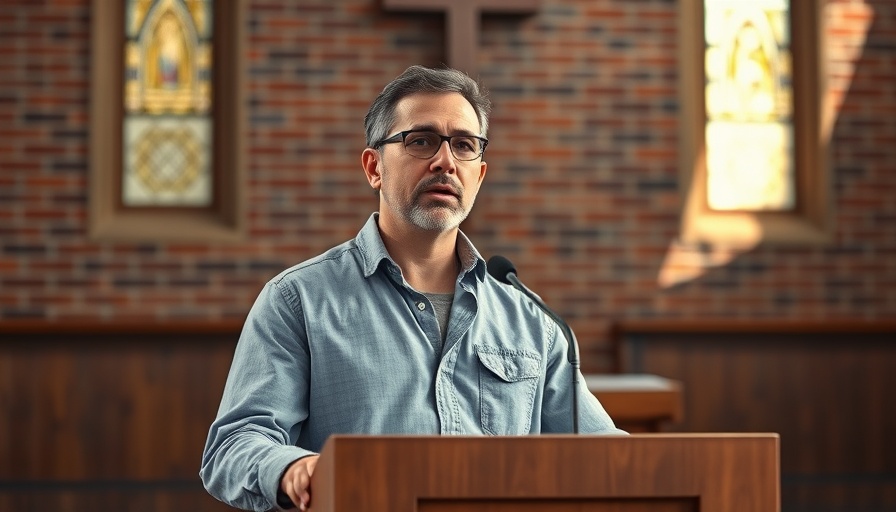
Man discussing 'THREAT' during a church presentation, Jesus' Focus Amidst Threats.

Finding Courage in Christ’s Focus Amidst Threats

In the sermon delivered on the 12th of October, 2025, a profound exploration of Luke 13:31-35 brings to light the courage we can draw from Jesus’ unwavering mission, even when faced with the harshest threats. It’s a reminder for us in today’s world—how do we stand firm in our faith despite opposition? What lessons can we learn from Jesus' resolve to carry out God’s plan amid perilous challenges?

In '12th October 2025 pm sermon - Luke 13:31 - 35,' the discussion dives into Jesus' mission and His unyielding focus amidst threats, sparking deeper reflection and analysis on our end.

The Threats Jesus Faced: Understanding Their Context

In the scripture, a dire warning reaches Jesus: “Herod wants to kill you.” The threat from Herod not only highlights the perilous times Jesus lived in but also symbolizes the trials faced by anyone committed to a divine calling. Just as Jesus experienced this intimidation, many Christians today encounter backlash, whether in their schools, workplaces, or communities. The warning from Herod—the one representing earthly power and human fear—brings to mind the countless encounters where faith is challenged. Yet, rather than retreating, Jesus remains steadfast, demonstrating a powerful lesson about faith under pressure.

Lessons from Jesus’ Mission: Courage and Focus

Jesus responded to Herod’s threat with a statement of dedication, showing us that our mission must not waver in the face of opposition. He declares, “I will keep on driving out demons and healing people…” illustrating the commitment to his purpose. In this way, He teaches us about the importance of maintaining our focus amidst distractions. Jesus serves as the ultimate example for believers on how to prioritize our spiritual mission over worldly fears. Today, we may not face a powerful ruler, but we often battle societal pressures that attempt to silence our voice about faith. Whether it’s in school discussions, work environments, or social interactions, keeping faith at the forefront can be challenging but essential.

Jesus’ Compassion: A Model for Believers

As he laments over Jerusalem’s rejection, Jesus showcases divine compassion: “Jerusalem, Jerusalem, you who kill the prophets…” His desire to gather his people under his wings reveals a heart full of love and yearning for reconciliation. It’s a potent reminder that, regardless of the conflict, we must remember to love those who oppose us. This applies to our daily lives. How do we respond to those with whom we disagree? Are we quick to dismiss them, or do we seek to understand and offer compassion as Jesus did? His heart breaks for those in rebellion, showcasing a perfect model for us, urging us to respond not with anger but with empathy.

Building a Resilient Faith Community

As part of our faith journey, we must also foster a strong community around us. This community serves as a source of strength and encouragement in challenging times. When Jesus calls us to proclaim his message, it's not just an individual task; it’s a collective mission. Whether through Bible studies, youth groups, or local church initiatives, engaging in community can amplify our courage to stand firm. When we gather together as believers, we create a safe space where we can find support and accountability, enabling us to face life's challenges with confidence.

The Call to Action: Responding to Christ’s Message

The conclusion of the sermon urges us toward urgency: “Now is the time to recognize and embrace Jesus as our Savior.” For those who have not yet made that decision, this moment calls for reflection and acceptance of His love. Acknowledging Jesus in our lives not only transforms us but encourages others to explore faith. It’s crucial for every believer to share their experiences of Christ, as our stories may inspire others to embark on their journey of faith.

Engaging Young Hearts and Minds

For the young people in our congregation, the take-home from this passage is vital. It’s a vivid reminder that our faith is not just about personal belief; it’s about action. Each of us can find ways, be it through school projects, discussions with friends, or even family conversations, to communicate the love and message of Christ. It’s about embodying the values we’ve learned in scripture and stepping out into the world with courage and kindness.

In conclusion, the sermon on October 12th encourages not only learning from Jesus’ focus on His mission but also actively participating in it. This is our challenge—to love, to stand firm against the threats of our modern age, and to reach out compassionately to those around us. Let's commit ourselves to being bold in our faith.

Are you ready to step into this mission? If you’ve been touched by this message today, let’s discuss how you can begin embracing Jesus’ love and wisdom fully. Join us at Salt Church this week for more opportunities to engage with your faith and the community.

Walton Evangelical Church

34 Views

0 Comments

Write A Comment

*
*
Related Posts All Posts
02.12.2026

Embracing Discipline in Faith: Insights from 1 Corinthians 9

Update The Power of Discipline in 1 Corinthians 9 The sermon delivered on February 8, 2026, at Walton Evangelical Church focused deeply on the fundamental messages from 1 Corinthians 9, emphasizing the importance of discipline in both spiritual and everyday life. As Paul underscores in this chapter, the concept of self-discipline extends beyond mere restraint; it is a pathway towards achieving greater goals, both personally and spiritually. This encompasses the idea that, like an athlete in training for a race, believers must practice and refine their faith consistently to attain spiritual maturity and rewards.In '8th February 2026 am sermon - 1 Corinthians 9', the discussion dives into key insights on discipline in faith—which sparked deeper analysis on our end. Understanding Paul's Message In the passage, Paul writes about the necessity of running the race with the intention of winning. 'Do you not know that in a race all the runners run, but only one gets the prize? Run in such a way as to get the prize' (1 Corinthians 9:24). This statement is not just about competition for a crown that fades, but about the unyielding dedication to our faith and the eternal prizes that come from living a life dedicated to God. The conclusion here is straightforward: commitment to spiritual growth and perseverance in faith can lead to profound transformation. The Importance of Community Amidst the call for personal discipline, the sermon highlighted how community plays a vital role in nurturing this journey. Many young people today find strength in collective experiences; learning in groups fosters camaraderie that undergirds individual commitment. As Paul deftly illustrates the interconnectedness of believers, he urges listeners to support one another in faith journeys. Hope can be ignited in young hearts through shared experiences, such as service projects, studies, and worship sessions that emphasize teamwork and encouragement. Engaging Activities to Grow Spiritually To bring Paul’s teachings into practical application, Sarah Johnson suggests interactive activities that can help deepen understanding: Faith Challenges: Encourage the youth to set weekly spiritual goals, such as dedicating specific times for prayer or scripture reading, allowing them to track progress and celebrate small victories. Community Service Events: Organize events where young volunteers can serve together in the community. This reinforces the teachings of discipline through acts of love and charity. Discussion Groups: Establish small groups that meet regularly to discuss the interpretations of biblical passages, promoting deeper understanding and personal application. Inspirational Anecdotes from Community Members Suddenly, the message of discipline and community strikes a chord when we reflect back on the stories shared in the sermon. For instance, one young attendee spoke about how serving at a local shelter not only transformed the lives of those receiving help but changed her own perspective on gratitude and giving. Her reflection served as a reminder that our spiritual growth often occurs in the act of helping others. How This Applies Beyond the Church The teachings from 1 Corinthians 9 can resonate far beyond church walls. In our daily lives, discipline leads to success in other areas such as academics, sports, and relationships. Students can learn to apply these principles in their schoolwork, perhaps through creating structured study schedules and pursuing goals diligently. Moreover, the practices of community involvement can be educationally enriching, such as volunteering at local organizations or engaging in school initiatives, fostering a sense of belonging and focused direction in their lives. Final Thoughts: The Call to Action As we contemplate the powerful messages within 1 Corinthians 9, it is a reminder of our potential, both collectively as a community and individually as believers. The call to run the race with perseverance is one that can guide us in every facet of our lives. Therefore, let's take these lessons to heart and ask: how can you apply the discipline of faith in your daily actions? What steps can you take this week towards your spiritual goals? In the spirit of community, Walton Evangelical Church encourages everyone to remain engaged and actively pursue opportunities that further grow our collective faith. Embrace the discipline outlined by Paul and see it transform and uplift not just you, but everyone around you.

02.12.2026

Exploring Malachi 2:10-16: A Message of Faithfulness for Today

Update Understanding Malachi 2:10-16: A Call to Faithfulness In the evening sermon from February 8, 2026, the focus was on Malachi 2:10-16, a passage that speaks volumes about our commitments and relationships. As community members come together to hear biblical teachings, it's essential to dive deep into what this scripture implies for our daily lives. Malachi addresses the need for faithfulness, particularly within the contexts of familial and covenant relationships. This ancient text continues to resonate in contemporary discussions about loyalty and integrity.In '8th February 2026 pm sermon - Malachi 2:10-16,' the discussion dives into the importance of faithfulness, exploring key insights that sparked deeper analysis on our end. The Historical Context of Malachi To fully grasp the message of Malachi, we must consider his time. The Israelites had returned from exile, yearning to restore their identity and relationship with God. However, they faced challenges, including intermarriages with foreign cultures and a general apathy towards God's laws. Malachi’s prophetic words aimed at challenging the norms of his era encourage his audience to remain steadfast in their commitments—particularly their marriages and relationships with fellow believers. Why Faithfulness Matters Today In a world that often promotes quick fixes and fleeting relationships, Malachi's call for faithfulness serves as a timely reminder for us all. Whether it’s maintaining integrity in friendships, commitments in marriage, or responsibilities within our communities, the call is clear: just as God is faithful to us, we too must embody that faithfulness. This principle extends beyond the church walls—impacting how we interact in our schools, workplaces, and homes. Learning Through Relatable Examples Imagine a scenario in a school setting where a student promises to help a classmate with their homework but fails to follow through. This missing commitment not only affects academic performance but also the trust built between peers. Similarly, in our families, if a parent consistently breaks promises made to their child, it erodes trust and hinders healthy development. These examples highlight that our personal integrity is foundational to thriving relationships. Future Predictions on Family Dynamics As our society evolves, predictions on family dynamics suggest an increasing need for open discussions about loyalty and commitment. With the rise of digital relationships and social media, it becomes even more crucial to establish strong, faith-based foundations in familial and community interactions. Encouraging youth to engage meaningfully in relationships can help cultivate a generation that values trust and accountability. Empowering Actions to Take How can families and individuals implement the teachings from Malachi 2:10-16 into their lives? Here are a few practical steps: Hold Family Meetings: Create a safe space for family discussions where commitments and expectations can be openly discussed. Celebrate Milestones: Recognizing and celebrating achievements can help reinforce the bonds within families and communities. Encourage Community Service: Engaging in community activities promotes a sense of shared purpose and loyalty while modeling service to the youth. By implementing these actions within our lives, we align ourselves more closely with the call to faithfulness that Malachi articulates. How Youth Can Connect with Malachi's Message For our younger generation, understanding the importance of faithfulness may take the form of engaging stories, parables, or activities that reinforce these values. Hosting Bible studies focused on real-life applications of biblical teachings encourages meaningful discussions that resonate with youth. Through creative outlets like art or drama, young people can express their understanding of maintaining faithfulness in their lives. Call to Action The profound message from the sermon emphasizes that faithfulness is not just a personal commitment but a community value, one that needs to be collectively pursued and celebrated. I urge you, especially the youth of our community, to reflect on your commitments—both to God and to one another. Engage in conversations about how you can collectively uphold these values and shine as a beacon of light in your communities. Share your stories of faithfulness and let’s grow together! In wrapping up, the sermon on Malachi 2:10-16 highlights that faithfulness is vital to God and should be an integral part of our lives. Let this call inspire us to foster deeper connections rooted in loyalty and integrity.

02.05.2026

Discover the Profound Message of 1 Corinthians 8 and Its Impact on Our Lives

Update Embracing the Call: Insights from 1 Corinthians 8 In the latest sermon delivered on February 1, 2026, we're reminded of profound truths tethered to our spiritual journey as discussed in 1 Corinthians 8. This chapter invites us to explore not just our own liberties but the implications of how those liberties affect others, particularly within our communities. This biblical approach encourages a more profound sense of responsibility and connection among believers.We came across the sermon "1st February 2026 am sermon - 1 Corinthians 8," which covers the biblical teachings of Paul, and it raised some compelling points that we’re expanding on in this article. Understanding Freedom in Faith Paul's message in 1 Corinthians 8 emphasizes the importance of love over knowledge. He reminds us that our freedom in Christ does not exist in a vacuum; rather, it is intertwined with the well-being of our brothers and sisters. This encapsulates the Christian ethos that encourages us to prioritize the welfare of others, particularly those who may be weak or uncertain in their faith. Your actions matter. In every choice we make, whether attending a meal offered to idols or participating in community activities, we must weigh our actions against the potential impact they have on others. This chapter nudges us to ask, "Is my freedom affecting someone else's faith journey negatively?" This is a powerful question that not only embodies empathy but also fosters a sense of unity in our diverse communities. The Value of Community and Connection Community building is another critical element highlighted in the sermon. Being part of a church community isn’t just about shared beliefs; it's also about supporting one another through ups and downs. As believers, we’re called to lift each other up, ensuring that no one stumbles because of our actions. Reflecting on the teachings of 1 Corinthians 8, we can aspire to cultivate a community where every member feels loved and valued. This shared mission is vital in an age where individuals often feel isolated. Young people, in particular, crave connection and a sense of belonging. By fostering conversations about our differences and celebrating our unity in Christ, we can create an environment where everyone is encouraged to grow in their faith. Encouraging Personal Growth Additionally, the sermon encourages personal growth. It challenges each individual to assess their understanding of faith and how they engage with their community. This is not just a call to introspection but an invitation to grow in knowledge and love. It urges us to step beyond our comfort zones, learning from each other’s experiences and perspectives. By doing so, we enrich not only our spiritual lives but also those of others. For children and youth, applying the principles from 1 Corinthians 8 can be particularly meaningful. They are encouraged to think about how their actions may influence their peers. This could be as simple as choosing to include others in games at school or speaking kindly to classmates. Engaging in such practices helps them develop empathy and builds a much-needed sense of community. Inspiring Each Other with Stories Stories play a crucial role in connecting with one another. The sermon fosters an environment where sharing personal testimonies is celebrated. When we hear how others have navigated their spiritual journeys, we see the power of God's work in diverse lives. Imagine sitting in a circle with your peers, sharing moments of struggle and victory in your faith. This not only strengthens your bond but also allows you to learn from one another's experiences. By practicing openness and vulnerability, we can help lift each other closer to Christ. Practical Steps Towards Implementation So, how can you practically implement the teachings of 1 Corinthians 8 into your life this week? Start by adopting the mindset of service. Consider volunteering in community events, participating in church activities, or simply reaching out to a friend who may need support. Invite conversations about faith in informal settings, whether it’s at school, home, or within a church group. Additionally, take a moment this week to assess a decision you’re facing. Ask yourself how your choice might affect those in your community. Creating space for thoughtfulness and intentionality will deepen your spiritual connections, fostering relationships that reflect Christ’s love. Your Role in Building a Positive Community As you navigate your daily life, remember that you play a vital role in creating a positive community. Each interaction you have can either uplift or discourage someone else. Be mindful of your words and actions, encouraging those around you to thrive in their spiritual journey. *Join the conversation today at church or with friends about how we can support each other just as Paul instructed in 1 Corinthians 8. Let's aspire to build a community where love reigns supreme and every individual feels valued.*

Terms of Service

Privacy Policy

Core Modal Title

Sorry, no results found

You Might Find These Articles Interesting

T
Please Check Your Email
We Will Be Following Up Shortly
*
*
*