Add Row
Add Element
cropper
update

Biblical Living Unlocked

Logo - Biblical living unlocked
update
Add Element
  • Home
  • Categories
    • Biblical Parenting
    • Parenting Tips
    • Family Fellowship
    • Bible Teaching
    • Apologetics
    • Community Stories
    • Youth Focus
    • International
    • Walton Evangelical Church
    • Salt Church Mar Menor
    • Salt Church Los Montesinos
    • John Piper
    • News & Offers
Add Element
  • Ken on Facebook
    update
  • update
  • update
  • update
  • update
  • update
  • update
September 13.2025
3 Minutes Read

How a Christian Perspective on Rayner’s Resignation Encourages Political Engagement

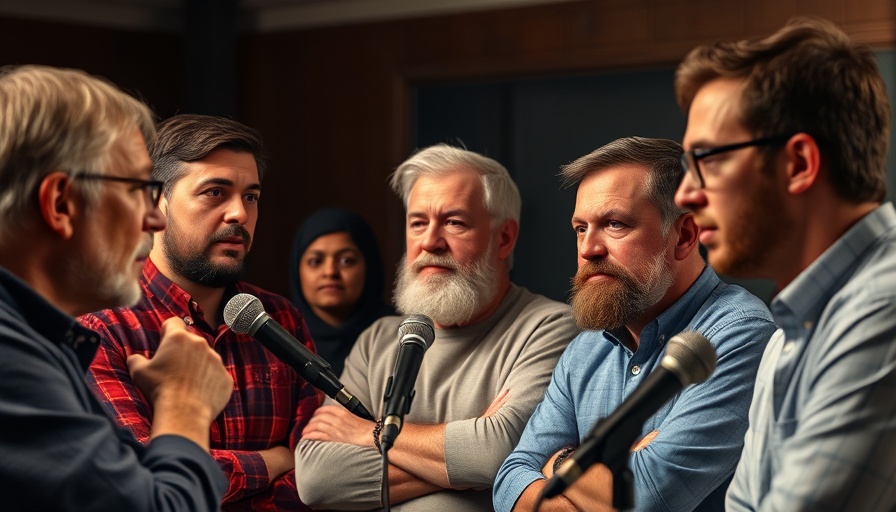
Group discussing political engagement from a Christian perspective.

Faith Meets Politics: Navigating Ethical Leadership

In the recent engage podcast episode, titled "A Christian Perspective on Rayner & Linehan," hosts James and Peter explore the intersection of politics, personal integrity, and faith. The episode centers on former Deputy Prime Minister Angela Rayner's resignation following revelations of tax mismanagement, a situation that highlights the essential principles of accountability and transparency within political office. As they discuss the complexities surrounding these events, the hosts invite listeners to reflect on the broader implications for Christians engaged in the political sphere.

In 'A Christian Perspective on Rayner & Linehan,' the discussion dives into the intersection of faith and politics, exploring key insights that sparked deeper analysis on our end.

Empathy in the Face of Public Scrutiny

The discussion poignantly begins with an acknowledgment of the human element behind political narratives. Rayner, a mother of a child with serious disabilities, faced intense scrutiny which often overlooks the personal struggles of public figures. Peter expresses sympathy for Rayner’s predicament, highlighting the human costs associated with political missteps. This perspective aligns with the Christian principle of compassion, urging believers to remember that politicians, like all of us, face difficult challenges and personal trials.

The Importance of Ethical Conduct

Both hosts agree that integrity is paramount in public service, a belief rooted in Christian teachings. The principles derived from Romans 13:7 compel Christians to honor their commitments, including the payment of taxes, suggesting that ethical missteps in leadership can erode public trust. James emphasizes the need for politicians to maintain a reputation of honesty and accountability, stressing that governance relies on leaders who uphold the highest standards of conduct.

Distrust and the Narrative of Corruption

The podcast also delves into the pervasive narrative of political corruption, further exacerbated by incidents like Rayner's. James cautions against adopting a cynical view of politics that can deter Christians from active engagement. Instead, he advocates for constructive participation in political discussions, using Proverbs 11:1 as a reminder of the moral imperative of fairness and justice in all dealings. This is vital for fostering a positive political environment where values and ethics are prioritized.

The Call for Active Engagement

The discussion transitions towards encouraging Christians to take an active role in advocating for their views in the political arena. Listeners are reminded of the recently released guide, "Dear MP: Your Guide to Engaging with Your Local Representative," which serves as a valuable tool for Christians wishing to influence their local governance positively. This resource addresses practical steps on how to communicate effectively with MPs, nurturing a culture of engagement rather than retreat.

The Bigger Picture: Trust and Governance

James and Peter reflect on how political scandals impact public trust, accentuating the importance of assessing each situation with a balanced perspective. Rayner's case, while problematic, is characterized not by malintent but rather by a series of misunderstandings and errors. As the podcast critiques the inclination to penalize based on perception rather than action, listeners are encouraged to seek clarity and understanding before judgment. This nuanced approach reflects a core Christian tenet: to be quick to listen and slow to speak.

Thoughts on a Changing Political Landscape

The episode concludes with a broader contemplation of the shifts within political parties and their leadership. The reshuffling within the Labour party in response to Rayner's resignation signals the ongoing evolution in political dynamics. Peter expresses optimism about the potential for renewed focus on ethical governance, advocating for accountability while recognizing the challenges that lie ahead for both the public and those in power.

Conclusion: A Collective Responsibility

The engage podcast provides a significant platform for encouraging a balanced and constructive dialogue about the interplay of faith, ethics, and politics. As listeners absorb the insights from this episode, they are called to reflect on their roles as informed citizens who actively engage in the political process. By embodying the principles of honesty, empathy, and ethical conduct, Christians can foster a political landscape that truly reflects their values.

In light of the discussions raised, we encourage readers to actively participate in shaping their local governance. Take the time to engage with your MPs and express your perspectives. Whether it’s through attending a meeting or writing a letter, your voice matters in creating a more just and equitable society.

Community Stories

5 Views

0 Comments

Write A Comment

*
*
Related Posts All Posts
12.13.2025

How Arsenal’s ‘Bible Brothers’ Bring Christian Influence to Sports

Update Celebrating Faith in Sport: Arsenal’s Unique Testimony In a world where sports often dominate headlines with drama and controversy, a refreshing narrative emerges surrounding Arsenal’s ‘bible brothers.’ These players express their Christian faith not only on the pitch but also in heartfelt public acknowledgments of God, establishing a unique connection between sport and spirituality. As we analyze these moments, we discover the profound implications of openly celebrating faith in professional sports, particularly in today’s society.In ICYMI: Arsenal’s ‘bible brothers’ praise God, the discussion dives into the intersection of faith and athletics, exploring key insights that sparked deeper analysis on our end. Historical Context: Faith and Football Historically, sports have been a powerful platform for expressions of faith. From early games to modern leagues, athletes have used their visibility to promote their beliefs. Arsenal's players, proudly sharing their devotion, continue this tradition, reinforcing the bond between appreciation for athletic prowess and a commitment to Christian values. This kind of open acknowledgment serves as a reminder of sport’s ability to inspire and unite, offering a platform for discussions about faith amid diverse audiences. Understanding the Christian Influence in Sports Christianity has long had a presence in athletics, often fueling athletes' mental resilience and moral compass in competitive environments. The testimony from Arsenal players showcases the relevance of faith not just as a personal journey but as a communal identity. When athletes proudly display their faith, they invite others to consider the role of spirituality in maintaining their integrity, handling adversities, and achieving greatness. Individual stories of perseverance often resonate widely with fans, offering insights into how reliance on faith can cultivate strengths both in and out of the sporting arena. The Power of Public Testimony The expressions of faith by Arsenal’s players encourage many to reflect on the importance of public testimony. By sharing their experiences, they create an inviting space for dialogue about faith among spectators and youth alike. For young people, seeing athletes publicly praise God reinforces the idea that faith is an integral part of success and identity. In a polarized world where young individuals often face challenges regarding self-identity, such public displays of faith establish relatable role models who successfully integrate their beliefs into their daily lives. Encouraging a Deeper Engagement with Faith Why is it compelling for audiences to see athletes incorporating their Christian faith? It invites people, especially young fans, to start conversations and ask questions about what faith means personally. If prominent figures express how their beliefs guide their lives, it can inspire onlookers to evaluate their relationship with spirituality or even seek out their connection with God. It emphasizes the relevance of faith in various life aspects—whether on a field, in a classroom, or within the family. Building Community Through Shared Values The Arsenal players’ testimonies extend beyond personal declarations; they cultivate a sense of community rooted in shared values. This phenomenon illustrates how faith can bridge gaps between differing backgrounds, encouraging discussions in schools, churches, and sports arenas alike. Unity, a core principle of Christian teachings, emerges in these spaces, leading to impactful collaborations within communities centered around faith-filled endeavors. Taking Action: Inspiring the Next Generation For parents and guardians, witnessing public figures embody their faith can serve as a catalyst for encouraging children to explore their spirituality. Engaging in discussions about values, ethics, and personal beliefs can enrich the familial experience and foster a supportive environment where questioning and learning are welcomed. Creating spaces for open dialogue about faith not only deepens familial bonds but empowers future generations to navigate their faith journeys confidently. The discussion around Arsenal’s ‘bible brothers’ invites us into a more comprehensive understanding of faith in society. By seeing these athletes praise God, we unlock conversations about value-based living, strengthening bonds within both family and community dynamics. Ultimately, let’s take these testimonies to heart and encourage our youth to discover and embrace their faith. By doing so, we can nurture a generation that is resilient, hopeful, and firmly rooted in values that transcend challenges.

12.12.2025

Understanding Modern Slavery: Urgent Actions Christians Can Take

Update Understanding the Ever-Present Issue of Modern Slavery In today’s interconnected world, modern slavery is alarmingly prevalent, with an estimated 50 million individuals enduring its grasp. This figure has seen a dramatic increase from just a few years ago, highlighting a persistent plight that many still grapple with despite historical movements towards abolition. From the harrowing tales of the 18th century to contemporary instances today, the echoes of our past remind us that the commitment to justice remains an ongoing journey.In the video Understanding Modern Slavery | Topic Primer, the discussion emphasizes the urgent need for awareness and advocacy in combatting modern slavery, inspiring deeper analysis and action in our communities. A Historical Perspective on the Fight Against Slavery Reflecting back on history, we find that the struggle against slavery began earnestly with figures like William Wilberforce, who, spurred by his Christian faith, steered movements aimed at abolishing slave trade. His dedication yielded the passing of the Abolition of the Slave Trade Act in 1807, a landmark moment that demonstrated the potential of steadfast advocacy against oppression. However, the fight didn’t end there; Wilberforce continued to champion the cause until the full abolition of slavery was achieved in 1833, just three days before his passing. This illustrates how one person's passion can catalyze monumental societal shifts. The Church: A Voice Against Injustice Within Christian circles, the moral imperative to advocate for the marginalized has longstanding roots. The teachings of Jesus, particularly his proclamations about freedom and equality, resonate deeply with the modern fight against slavery. The call to “loose the chains of injustice” from Isaiah 58 reiterates the church's role as a powerful voice for the voiceless, urging believers to take action against modern injustices. Modern Slavery: The Statistics Are Harrowing Despite the historical context of abolition, data reveals unsettling realities. In the UK alone, 130,000 individuals are estimated to be trapped in modern slavery. Statistics show that a significant portion of victims are children, with many facing sexual exploitation or forced labor. This grim picture stresses the urgent need for awareness and action among communities and individuals who can lend their voices to this cause. Taking Action: Steps You Can Take Many may feel overwhelmed by the enormity of the problem, yet as Edward Everett Hale expressed, we must remember that change begins with individual actions. Whether by raising awareness, advocating for policy changes, or becoming a conscientious consumer, there’s much each of us can do. Be Vigilant Detective Sergeant Martin Linton emphasizes the importance of vigilance in combating modern slavery. Learning to recognize signs, such as individuals appearing fearful or malnourished, is crucial. Reporting concerns to the authorities can facilitate vital interventions for those suffering in silence. Be Conscious Consumers Being aware of the products we consume plays a significant role in alleviating forced labor. The UK's demand for various goods, especially in sectors like electronics and clothing, often intersects with the grim realities of modern slavery. Engaging with ethical brands and researching supply chains can foster better practices within these industries. Be Advocates The establishment of the Modern Slavery Act in 2015 marked significant progress, yet challenges remain. Continued (and amplified) advocacy for improvements in victim support and comprehensive approaches to tackle trafficking is essential. Whether through dedicated campaigns or local initiatives, there is a sincere need for unified efforts. Inspirational Voices in the Fight The journey of Mo Farah serves as a powerful testament to resilience. His story—from trafficked child to Olympic champion—reflects the stark realities of modern trafficking and the hope for change. As Christians, supporting individuals like Mo and fostering environments where survivors can thrive is fundamental to living out the faith's call. Why Awareness Matters Invigorating dialogue about modern slavery, as shown in the video Understanding Modern Slavery | Topic Primer, brings awareness to this critical issue. When we hesitate to confront uncomfortable truths, we risk perpetuating cycles of injustice. The insights drawn from the discussion within the video and the broader context towards modern slavery can inspire communities to engage actively with this ongoing issue. As we advance toward a more equitable future, let's commit to being voices for the voiceless. Each action taken—big or small—can contribute significantly to combating the menace of modern slavery. People often find it easier to turn away than face the discomfort of discussing such a grim reality, but like Wilberforce emphasized centuries ago, we cannot look the other way any longer. Together, driven by faith and conviction, we can make a difference.

12.12.2025

Navigating Transgender Ideology: A Compassionate Approach for Christians

Update Understanding the Recent Discussions on Transgender Ideology In recent times, there has been a surge in conversations surrounding transgender ideology, especially among communities of faith. These discussions not only highlight the complexities surrounding gender identity but also how these issues intersect with foundational Christian beliefs. Many within the Christian community are seeking to navigate these conversations with a sense of clarity and compassion, as they aim to uphold their values while also fostering understanding.In CI News: 12 December 25 - #TransgenderIdeology #BeReasonable #ProLife #NoniMadueke, the exploration of fundamental societal issues prompts us to deepen our analysis on how Christian values engage with these topics. The Scriptural Foundation of Christian Values Upholding Christian values is rooted in the teachings of the Bible. For millions, scriptures provide guidance on how to lead a life aligned with Christian principles, including love, compassion, and respect for others. Within churches, leaders often emphasize the importance of loving one’s neighbor, which invites Christians to engage with those who hold differing opinions, including those who identify as transgender. The Balance Between Faith and Acceptance There is a key tension within the Christian discourse regarding acceptance and truth. Many believers find themselves questioning how they can embody love and acceptance while still adhering to their understanding of biblical teachings on gender. This delicate balance prompts many to engage in conversations that are rich with nuance, often leading to diverse perspectives on how best to uphold their faith in today's society. Future Implications for Christian Communities As the visibility of transgender issues continues to rise, Christian communities are faced with the potential for both division and unity. If approached thoughtfully, these conversations can foster deeper understandings and create stronger interfaith dialogues. It is essential for church leaders and congregants alike to explore how they can engage with these topics while remaining firmly grounded in their convictions. Real-Life Examples of Dialogue Across various congregations, we see examples of churches initiating dialogues around gender identity. Some churches are creating forums that allow for open discussions where members express their thoughts and feelings. Others are inviting speakers who specialize in theology and gender studies to provide a balanced perspective, which enriches the community's understanding. Inspiration from Christian Leaders Influential Christian leaders, such as John Piper, have spoken on the topic of gender and identity. Their insights encourage members of the faith to approach these complex issues with both integrity and compassion. Piper advocates for a biblical truth that calls believers to love all individuals while also wrestling with their doctrinal beliefs. Engaging Youth in Discussion Youth within the church are raised in a context that vastly differs from previous generations. As such, it becomes crucial for parents and church leaders to equip younger members with the necessary tools to engage thoughtfully and respectfully in discussions about transgender ideology and other pressing societal issues. Educating youth on compassion, understanding, and their faith can help create a generation that is both grounded in their beliefs and open to learning from others. Actionable Insights for Christian Communities Churches can take several actionable steps to navigate these conversations effectively. Creating safe spaces for discussion, promoting educational resources, and engaging in community outreach are all ways to foster understanding and dialogue. It's vital for church communities to encourage their members to build relationships, establish trust, and practice empathy, creating an environment where questions can be asked without fear of judgment. In conclusion, the recent video CI News: 12 December 25 - #TransgenderIdeology #BeReasonable #ProLife #NoniMadueke sheds light on the fascinating and often challenging landscape of current societal issues. By fostering a community that prioritizes understanding and compassion without compromising faith, Christians can help pave the way forward, embracing the complexities of modern life while honoring their values.

Terms of Service

Privacy Policy

Core Modal Title

Sorry, no results found

You Might Find These Articles Interesting

T
Please Check Your Email
We Will Be Following Up Shortly
*
*
*