Add Row
Add Element
cropper
update

Biblical Living Unlocked

Logo - Biblical living unlocked
update
Add Element
  • Home
  • Categories
    • Biblical Parenting
    • Parenting Tips
    • Family Fellowship
    • Bible Teaching
    • Apologetics
    • Community Stories
    • Youth Focus
    • International
    • Walton Evangelical Church
    • Salt Church Mar Menor
    • Salt Church Los Montesinos
    • John Piper
Add Element
  • Ken on Facebook
    update
  • update
  • update
  • update
  • update
  • update
  • update
August 23.2025
3 Minutes Read

Houthi Missile Threats: Understanding Their Connection to Iranian Attacks

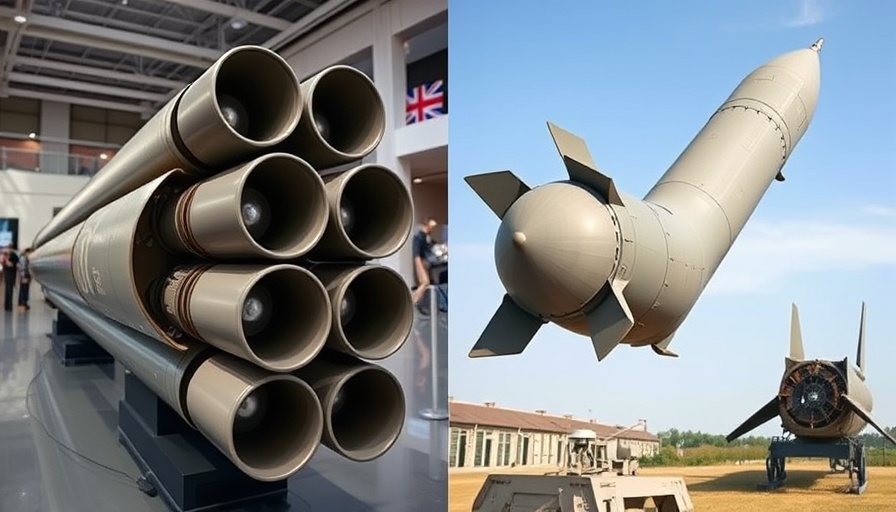
Ballistic missile cross-section and display highlighting Houthi missile threats.

Understanding the Current Threat: Houthi Missile Developments

In recent developments reported on August 23, 2025, the Israeli Defense Forces (IDF) have raised concerns that a missile launched from Yemen by the Houthi rebels may have similarities to the Iranian Khorramshahr-4 missile employed earlier in their attack on Israel. This alarming potential resemblance, particularly the claim that the missile could be equipped with a cluster warhead, heightens regional tensions and suggests a troubling intersection of Iranian military capabilities and Houthi actions in Yemen, complicating existing geopolitical dynamics in the Middle East.

The Historical Context of Houthi-Iranian Relations

The Houthis, a group based in Yemen, have historically received support from Iran, including military resources and technology. This alliance is pivotal not just for understanding the implications of the recent missile launch but for the broader context of ongoing conflicts in the region, where proxy battles between Iran and its adversaries, including Saudi Arabia and Israel, are frequent. Recognizing this backdrop is essential for those concerned with global peace and security and can prompt discussions on the role of international diplomacy in de-escalating such conflicts.

Implications for Israel and Global Politics

The likelihood of the Houthis utilizing sophisticated weaponry underlines the reality that conflicts in Yemen do not exist in isolation; they reverberate through the intricate fabric of Middle Eastern relations. For Christians and advocacy groups concerned with humanitarian crises, this situation sheds light on the urgent need for international attention focused on the suffering of civilians in Yemen, given the ongoing war and humanitarian disaster. Without proper intervention and support, the chaos could lead to further escalations, affecting global peace and the lives of innocent people caught in the crossfire.

Regional Responses and International Actions

The response from Israel to the missile threat is pivotal, as it not only demonstrates their defense capabilities but also their determination to protect their sovereignty against hostile activities. The potential threat posed by the missiles reflects the necessity for robust and adaptive defense strategies that countries in the region must adopt. Additionally, responses from international actors—including the United States and European nations— are essential as diplomatic measures can help limit the capabilities of militant groups while promoting peace talks aimed at addressing core issues that foment violence.

Call for Humanitarian Consideration

As this geopolitical tension unfolds, it is essential that organizations and individuals alike engage in discussions about the humanitarian implications. The ongoing war in Yemen has resulted in devastating consequences for the civilian population, including widespread starvation and lack of access to essential services. Advocacy groups may want to mobilize efforts that both support the needs of the Yemeni people while simultaneously addressing the geopolitical issues at play, creating a dual approach that fosters compassion and reacts to the urgency of security concerns.

The Importance of Awareness and Advocacy

As concerned global citizens, it is our responsibility to remain informed and engaged with such events. Understanding the intricacies of the Houthi-Iranian alliance and its implications for regional and global peace draws attention to the importance of policy advocacy and social justice. For those within the Christian community who are mission-minded and humanitarian-focused, the need for action becomes clear. Engaging in dialogue, raising awareness, and fostering interfaith cooperation could play significant roles in addressing not only the symptoms of conflict but also the underlying theological and cultural divides that fuel these crises.

In a world that often feels divided, each of us can play a part in promoting understanding, supporting humanitarian efforts, and advocating for the persecuted. Raising awareness through education and dialogues can empower communities toward peace, uplifting those whose voices are often diminished in discussions of war and conflict. As we think about the recent missile threats, let us also remember the people whose lives are directly impacted by these military strategies. Together, we hold the power to influence change.

International

11 Views

0 Comments

Write A Comment

*
*
Related Posts All Posts
11.14.2025

The Troubling Hamas-Abbas Connection: What Christians Need to Know

Update Understanding the Hamas-Abbas Connection Recent investigations have shed light on the troubling connections between Mansour Abbas, a member of Knesset, and Hamas, the militant organization known for its ongoing conflict with Israel. Reports indicate that the Ra'am party, which Abbas leads, has associations with individuals labeled as terrorist operatives who orchestrated the diversion of substantial funds, reportedly in the millions, to Hamas through various European charities. This raises significant questions about the role of political leaders in addressing—or potentially exacerbating—conflicts in the Middle East. The Context of Political Alliances This scenario is indicative of a broader shift in Israeli politics where alliances are often made for pragmatism over historical enmities. Abbas's partnership with Ra'am seeks to cater to the interests of the Arab-Israeli community, showcasing a new approach to governance. However, forming ties with entities linked to terrorism complicates the situation tremendously, especially for a population yearning for peace and stability. Implications for Christian Communities For globally aware Christians and mission-minded individuals, the complexities surrounding the Hamas-Abbas relationship are not merely political; they have deep theological implications. The perseverance in the face of ongoing conflict often shifts focus from fostering hope, reconciliation, and compassion, which Christian teachings emphasize. The Palestinian Christian community, caught in the crossfire, faces persecution and can feel abandoned when political figures prioritize power over peace. Counterarguments and Diverse Perspectives It is essential to consider diverse viewpoints surrounding Mansour Abbas’s role and his political strategies. Some argue that reaching out to Arab leaders—including Hamas—could be a means to usher in dialogue and possible peace. Yet others, especially within the Christian community, argue that associating with organizations that are directly linked to violence undermines the pursuit of peace and justice. A Look into Historical Patterns Historically, the political landscape in Israel has fluctuated between extremism and moderate pursuits for peace. This nuanced examination of Abbas's alliances can serve as a lens through which we can view past failures and successes. By analyzing previous efforts at peace that have either succeeded or failed based on political affiliations, future strategies can hopefully be formed with a greater understanding of the risks involved. Encouraging Reflection on Interfaith Dialogue For humanitarian-focused Christians and interfaith dialogue advocates, the need for constructive, peaceful discourse is more vital than ever. The current dynamics surrounding Abbas and Hamas call for an urgent, compassionate response. Engaging in respectful dialogue about faith, politics, and the quest for peace can create a pathway for understanding and healing. Actionable Insights Moving Forward As individuals interested in fostering social justice and supporting persecuted communities, it is crucial to advocate for transparent and moral political actions. Encouraging political leaders to disassociate from terrorists while cultivating relationships with peace-oriented organizations can pave the way for hope and healing, especially for the vulnerable Christian communities in the region. In conclusion, understanding the complex relationship between Mansour Abbas and Hamas is pivotal for anyone dedicated to social justice, humanitarian efforts, and interfaith dialogue. As the international community watches, we must reflect on our roles in advocating for peace, compassion, and understanding. For those committed to supporting humanitarian efforts and pursuing justice, consider reaching out to organizations dedicated to peace-building initiatives in the Middle East. Your voice and actions can contribute to fostering a more just and peaceful world.

11.13.2025

Israel's Regional Pressures: A Defining Test for Peace and Stability

Update Impending Challenges Facing Israel as Regional Dynamics ShiftAs Israel grapples with shifting regional pressures, the nation's political landscape is becoming increasingly complex. While Turkey broadens its ambitions, Prime Minister Binyamin Netanyahu finds himself caught between competing demands related to ongoing legal troubles and rising external threats. From Gaza's Rafah to Qatar, Israel's security remains precarious amidst latent tensions driven by unanswered historical grievances and geopolitical maneuvers.Historical Context of Middle East TensionsThe dynamics in the Middle East have long been characterized by a cycle of conflict and attempts at peace. The establishment of Israel in 1948 led to the Palestinian Nakba, igniting disputes that have persisted for decades. As recently as October 2023, hostilities escalated after the Hamas-led attack on Israel, which resulted in a disproportionate Israeli military response. This violent backdrop exacerbates existing grievances and complicates current efforts for peace.The Role of Major Powers and Regional AlliancesThe emergence of new alliances complicates the landscape further. Countries such as Turkey and Qatar, aligning their interests tactically, have sought to assert their influence in the region. Meanwhile, Israel's past military successes over its neighbors from Gaza and Lebanon have shifted the balance of power; however, they have also intensified the enmity and resistance from nations and militant groups like Hezbollah and Hamas, who view Israel's dominance as a threat to their existence.The Israeli Government's Strategy Amidst Legal and Political TroublesNetanyahu's government is not only facing external threats but also internal political dilemmas, particularly his ongoing legal battles which could influence policymaking. It appears that the administration is balancing short-term tactical victories against the backdrop of long-term geopolitical strategies. Observers have noted that Netanyahu’s administration may adopt a more hardline stance to placate right-wing constituents, potentially risking further isolation from moderate Arab states.Counterarguments Surrounding Israel's Military ActionsDebate continues regarding the morality and legality of Israel’s military responses, including the offensive strategies employed during the Gaza conflict. Critics argue that these actions not only violate international norms but also contribute to the deterioration of Israel's standing globally. Advocates for Palestinian rights vigorously assert that perceived aggressions against civilians amount to violations, fuelling calls for accountability and renewed calls for a two-state solution.Future Predictions and Opportunities for PeaceLooking ahead, there is a pressing need for renewed diplomatic efforts, particularly from international actors willing to advocate for a balanced and just peace process. The largely unfavorable environment calls for innovative strategies to reconcile differences and address the root causes of conflict. There is hope that potential mediators like Qatar and Türkiye could play a critical role in fostering dialogue between disparate parties, mounting a thoughtful counterpoint to militarization.Taking Action: What Can Be Done?Christians and humanitarian advocates have a vital role in raising awareness about the deteriorating conditions faced by vulnerable populations in regions impacted by conflict. Engaging in interfaith dialogues, supporting aid organizations, or lobbying for policy changes can be powerful steps toward fostering a hopeful future. It is essential to uphold the values of justice, compassion, and peace, reflecting commitment to the oppressed in these turbulent times.

11.13.2025

Christians in Syria Face Increasing Persecution: Join Us in Prayer and Action

Update A Rising Tide of Fear: Understanding the Threats Faced by Christians in SyriaIn recent weeks, the Christian community in Syria has been gripped by fear following the emergence of threatening messages at two prominent churches in the country. These incidents have intensified concerns about the safety of Christians, amidst ongoing conflicts and a rise in violence fueled by extremist ideologies. The growing climate of fear poses serious questions about the future of these long-standing communities.Recent Incidents Heightening Christian FearsMessages inscribed on the walls of St Elias Church in Maared Saidnaya read, “Christian infidel, there is no deity but God,” referencing a tragic suicide bombing earlier this year that left 22 worshippers dead at Saint Elias Church in Dweilla, Damascus. Similarly, St Cyrillos Church in Damascus faced vile threats, such as “There will be no polytheists left in Syria by God’s will,” further emphasizing the precariousness of the situation for Christians. A perpetrator, caught on security cameras, attempted to damage a statue of Mary, illustrating the intentional targeting of Christian symbols in a landscape increasingly dominated by fear and hostility.Seeking Peace Amidst TurmoilThe political upheaval following the fall of Bashar al-Assad’s regime in December 2024 has resulted in both positive changes and continued instability. While some regions have seen economic improvement, pockets of conflict remain—a stark contrast to the newfound hope many had anticipated. Julienne, a Christian resident, expressed the emotional toll of living under threat: “I went to sleep with tears in my eyes,” as memories of past violence and loss flooded back at the latest escalations.The Broader Context of PersecutionAccording to a recent report by the Syriac Strategic Research Centre, the violence and discrimination against Christians have surged since the regime’s collapse. Attacks on churches, along with systemic discrimination, depicted a worrying pattern. The report details how armed groups have increasingly targeted Christian communities—vandalizing churches, burning cemeteries, and imposing discriminatory educational narratives—that threaten the very existence of Christianity in the region. Such actions create an atmosphere of fear, casting a shadow over the plight of believers striving to maintain their faith in the face of adversity.A Call for Solidarity and ActionThese troubling events call for urgent international attention and solidarity with Syrian Christians. Human rights organizations are championing measures to monitor violence and ensure protection for religious minorities. The need for independent investigations and tangible aid for displaced families becomes ever clearer as incidents of violence continue to amplify. Supporters of the persecuted church are encouraged to stand in prayer and advocacy for those suffering. Their resilience, paired with global solidarity, is vital for fostering hope and healing in a weary land.Conclusion: The Path ForwardIn a time marked by fear, the voices of Christians in Syria are poignant reminders of faith's power amidst despair. As Julienne poignantly noted, “We are the children of faith. We know that God holds the rudder of our lives.” It is essential for mission-minded individuals and culturally engaged believers to rally behind these communities through prayer, advocacy, and education. Together, fostering awareness can help shift the narrative for Christians in Syria from one of fear to one of hope and resilience.

Terms of Service

Privacy Policy

Core Modal Title

Sorry, no results found

You Might Find These Articles Interesting

T
Please Check Your Email
We Will Be Following Up Shortly
*
*
*