Add Row
Add Element
cropper
update

Biblical Living Unlocked

Logo - Biblical living unlocked
update
Add Element
  • Home
  • Categories
    • Biblical Parenting
    • Parenting Tips
    • Family Fellowship
    • Bible Teaching
    • Apologetics
    • Community Stories
    • Youth Focus
    • International
    • Walton Evangelical Church
    • Salt Church Mar Menor
    • Salt Church Los Montesinos
    • John Piper
    • News & Offers
Add Element
  • Ken on Facebook
    update
  • update
  • update
  • update
  • update
  • update
  • update
March 01.2025
3 Minutes Read

Hamas Demands an End to War: Will Israel Extend the Ceasefire Deal?

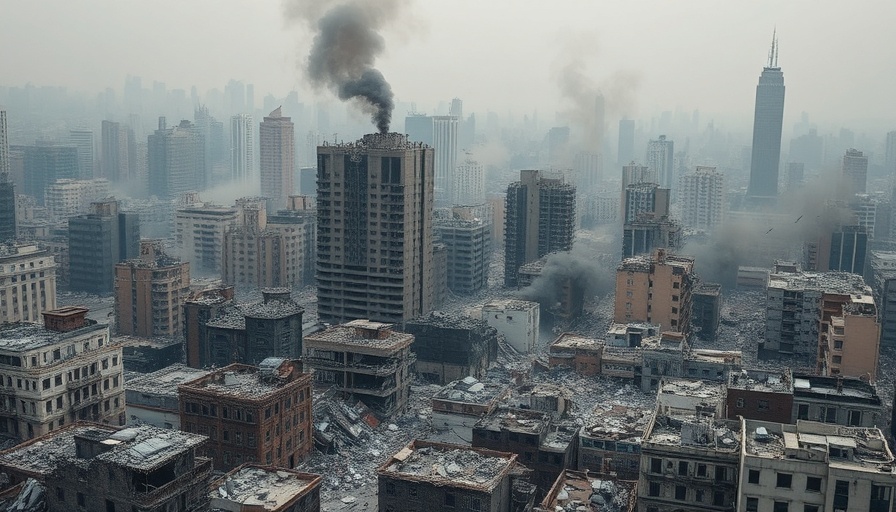
Widespread destruction in city with rubble, illustrating war impact.

Understanding the Current Tensions Between Hamas and Israel

As tensions escalate once more in the Middle East, the latest developments between Hamas and Israel have taken center stage. After a six-week ceasefire, which has allowed for some hope and healing in Gaza, Hamas is now calling for an end to the ongoing conflict. Reports indicate a looming decision for Israel regarding the extension of this fragile truce, highlighting a precarious balance of hope and conflict for both societies.

The Impact of Ceasefire on Palestinian Lives

In recent weeks, Palestinian citizens have embarked on the arduous journey of recovery, striving to rebuild their lives amid the uncertainty and destruction caused by conflict. The ceasefire, established in January, provided a necessary pause, yet insecurity looms. With the recent declarations by Hamas, the path ahead may become more convoluted. Many families in Gaza are still recovering from devastating losses, and as they sift through the rubble of their homes, they cling to the hope that peace can be sustained.

Israel's Strategic Objectives

Amid these discussions, Israel’s intention remains clear: to prevent Hamas from regaining a foothold in Gaza. The Israeli government emphasizes the necessity of disarming the militant group, reiterating that it will not allow Hamas to reestablish authority or resume hostilities. As Israel considers the possibility of extending the ceasefire, Prime Minister Benjamin Netanyahu is reluctant to withdraw troops, a condition that Hamas demands for any further agreements.

Prospects for Peace: A Delicate Balance

As negotiations unfold in Cairo, international observers remain wary. US, Qatari, and Egyptian mediators are crucial in this peace process, as they strive to foster dialogue that leads toward sustainable solutions. However, skepticism surrounds the strength of these arrangements as both sides hold conflicting views on governance and military presence in Gaza. The involvement of Hamas in future governance, and the potential for other Palestinian factions stepping in, adds to the complexity of the situation.

Emotional Toll on Communities

The emotional impact on families caught in this cycle of violence cannot be overstated. In both Israel and Gaza, communities have faced unimaginable trauma. For Israelis, the uncertainty surrounding their loved ones taken as hostages remains a critical issue. In contrast, Gazans grapple with loss and the stark reality of their living conditions. Reports of humanitarian struggles, such as malnutrition and adverse health conditions, remind us that the ramifications of conflict extend far beyond the battlefield.

Reflecting on Faith and Humanitarian Needs

For Christians and humanitarian organizations engaged in this complex landscape, the call for peace is intertwined with a call to action. Understanding the profound impact of socioeconomic challenges, faith communities can play a pivotal role in advocating for justice, support, and reconciliation. It is essential for believers worldwide to engage in prayer and advocacy for peace, recognizing the shared humanity within this tragic context.

The Path Forward: Will Dialogue Prevail?

As these negotiations unfold, the hope is for a path that leads to not only a cessation of hostilities but a framework for lasting peace. The intricate web of relationships and historical grievances must be navigated with care, as both sides wrestle with their realities. While the prospect of conflict remains a chilling thought, it is essential for the international community and faith-based organizations to continue advocating for dialogue and understanding, fostering an environment where peace can truly take root.

International

13 Views

0 Comments

Write A Comment

*
*
Related Posts All Posts
12.27.2025

Israel's Leadership Betrayal: Insights on Qatar's Role and Domestic Espionage

Update The Crisis of Trust: Betrayal at the Top When betrayal occurs within the highest echelons of government, it sends ripples through the entire national fabric. Recent events in Israel, particularly concerning Prime Minister Benjamin Netanyahu's office, have surfaced alarming allegations about infiltration by Qatari operatives and domestic citizens acting as spies for Iran. This unsettling scenario raises significant questions about loyalty, accountability, and the ramifications for Israel's national security, especially during a time of conflict. The Role of Qatar: More Than Just a Neighbor? Qatar has long walked a fine line between being a regional ally and a supporter of entities hostile to Israel. Despite its portrayal as a mediator in regional conflicts, actions like funding Hamas illuminate its contradictory role. The connection of Qatari funding to various anti-Israel narratives fuels the argument that any negotiation dealings are fraught with moral ambiguities. As various officials condemn cooperation with Qatar as betrayal, the question arises: Can Israel afford to ignore these ties as it grapples with persistent security threats? Former Israeli Prime Minister Naftali Bennett voiced strong accusations against Netanyahu regarding treason for allegedly shielding Qatari influences in his office. Such conduct, Bennett asserts, could potentially jeopardize Israel's relationship with strategic allies and undermine the trust citizens place in their leaders to safeguard national interests. Netanyahu's defenders, however, dismiss these assertions, arguing that they ignore Israel's complex geopolitical landscape. The Spy Circumstances: Unraveling Allegiance According to reports, over 60 instances of Israeli citizens taking up roles with Iranian intelligence have been discovered. This troubling development highlights a fracture in the societal understanding of loyalty among citizens, propelled by perceived inadequacies in government leadership. The Shin Bet has had to contend with this wave of espionage that cuts across socio-economic and demographic lines, challenging long-held beliefs about who might betray the nation. Worse still, when individuals connected to the Prime Minister's office engage with enemy funding, it dilutes the concept of serving their country in favor of personal gain or loyalty to foreign states. Such betrayals, especially from within the inner sanctum of the government, can lead citizens to question the very essence of national solidarity, affecting everyday loyalty. The Future Implications: Safeguarding Integrity As the dust settles on these revelations, the implications for the future are profound. Will these scandals strengthen calls for accountability, or will they serve to further entrench distrust in governmental institutions? This crisis brings to light the fundamental question of leadership responsibility. If leaders fail to foster environments steeped in accountability, they encourage a culture where ordinary citizens feel justified in betrayal. Looking ahead, it is critical for citizens and policymakers alike to grasp the weight of loyalty—not just to their leaders but to the very state they represent. The lessons gleaned from these conspicuous betrayals must be harnessed to foster a reassessment of socio-political narratives, to uphold the integrity of national service. A Call to Action: Engage in What Matters As we navigate the complexities brought forth by allegiances tested by foreign influence, engaging in discourse and advocating for integrity within leadership becomes essential. It is crucial for globally aware Christians, cultural advocates, and all stakeholders to hold their leaders accountable, demanding transparency and ethical governance. Only then can we hope to reshape narratives and restore national unity grounded in trust.

12.26.2025

Hezbollah's Military Rebuild: What You Must Know About Future Conflicts

Update Hezbollah's Quiet Rebuild: What's Really Happening? In the backdrop of continued tension in the Middle East, Hezbollah, the Iran-backed militant group based in Lebanon, is undertaking a significant rebuilding initiative of its military capabilities. Despite appearing weakened after a series of military confrontations, particularly during the conflict with Israel, Hezbollah is strategically maneuvering to not only restore its strength but also to prepare for any potential future confrontations. Strategic Moves Behind Closed Doors Hezbollah's current strategy is fundamentally about maintaining a low profile while clandestinely enhancing its military infrastructure. U.S. and Israeli intelligence suggest that the organization has been receiving substantial financial support from Iran, which has allowed it to rejuvenate its arsenal of weapons and establish operational ready bases outdoors of public sight. Such moves occur under the guise of humanitarian projects, allowing them to camouflage their militaristic rearmament. The Impact of the October Conflict The October conflict in 2023, particularly the devastating losses incurred during prolonged fighting with Israel, prompted Hezbollah to rethink its operational approaches. As illustrated by a report from The Meir Amit Intelligence and Terrorism Information Center, Hezbollah is shifting towards a more decentralized structure that might enable prolonged engagement in asymmetric warfare against its opponents, particularly as it anticipates Israeli military responses. International Responses and Local Reactions Internationally, the U.S. and its allies have been vocal in their concerns, placing pressure on Lebanon to handle Hezbollah’s rearmament effectively. Meanwhile, the Lebanese government is engrossed in an uphill battle, attempting to manage local public opinion while navigating the complex power dynamics between Hezbollah, regional powers, and international pressures. As tensions escalate, there is a palpable concern among Lebanon's leadership about a potential civil crisis if they do not rein in Hezbollah’s capabilities. Reports from senior officials emphasize the critical need for U.S. and international support to help stabilize Lebanon, which remains precariously balanced between factions. What Lies Ahead: Predictions for Lebanon’s Future The ongoing situation raises pressing questions about the future of Lebanon. If Hezbollah continues to resist disarmament while simultaneously enhancing its military capabilities, the risks of a renewed conflict with Israel looms large. Observers now suggest that Lebanon’s leadership must either confront the reality of Hezbollah’s power or risk plunging into deeper turmoil. Moreover, some predict that if pressure from Israel increases, Hezbollah may feel cornered into responding militarily, triggering a potential spiral into wider conflict. Thus, the situation warrants careful monitoring and active engagement from international stakeholders. Final Thoughts: Understanding the Broader Context For those aligned with humanitarian efforts or global justice movements, the situation in Lebanon encapsulates a wider narrative of geopolitical power struggles, local governance challenges, and the persistent impact of armed groups on civilian safety and infrastructure. Understanding the intricacies of Hezbollah's activities is essential not only for policymakers but also for citizens globally who advocate for peace and stability. In taking action, advocates for peace and justice within communities might push for greater diplomatic engagements that prioritize dialogue over military confrontation. Knowledge about the realities of groups like Hezbollah could foster informed opinions and inspire necessary conversations aimed at resolving long-standing issues in the region.

12.25.2025

Exploring the Major Issues at the Trump-Netanyahu Summit: A Call for Peace in Gaza

Update Understanding the Trump-Netanyahu Summit: A Call for Peace On December 24, 2025, the much-anticipated Trump-Netanyahu summit in Florida has emerged as a crucial point for discussing peace in the Middle East. Notably, Prime Minister Benjamin Netanyahu's close interactions with various leaders, including U.S. Secretary of State Marco Rubio, signal an important era for alliances among evangelical voters, Jewish communities, and broader American audiences. The summit provides these groups a platform to voice their roles in multidisciplinary discussions concerning the future of Gaza and Israel's relationships with neighboring countries. The Role of Evangelical Supporters Central to the summit's discussions are evangelical Christian leaders. This segment of the population has been pivotal in shaping U.S. policy towards Israel due to their theological beliefs about the land of Israel and its significance in Biblical prophecy. Notably, Trump's previous administration fostered a favorable view towards Israel, encouraging heightened support from this demographic. As such, the meetings intended for evangelical leaders at the summit underscore the continuing importance of faith-based political advocacy in today’s complex geopolitical environment. Jewish Community Engagement Another essential aspect surrounding the summit is its engagement with representatives from the Jewish community. As history reveals, Jewish voters have played a critical role in American electoral politics. For many, the summit serves as a vital opportunity to address concerns regarding security, anti-Semitism, and the peace process. Discussions are likely to emphasize collaborative efforts to create a sustainable peace in the region, particularly focusing on the situation in Gaza as outlined in Trump's recent engagements. Relevance to Current Events: Gaza The backdrop of the summit is undeniably influenced by the ongoing humanitarian crisis in Gaza. With various global leaders calling for a cohesive approach to ceasefires and rebuilding efforts, this summit's discussions could pave the way for implementing strategic aid and diplomatic resolutions. Such conversations reflect an increased urgency to address the humanitarian concerns facing everyday citizens caught in the crossfire. A Path Towards Mutual Understanding As the summit takes shape, it urges us to reflect on the need for engaging various perspectives in achieving unity and peace. This gathering of diverse leaders urges not only for political negotiations but also encourages empathy and understanding among faith-based groups. It video links to critical objectives that extend beyond geopolitical calculations and touch on the fundamental human longing for peace and security. Steps Towards Action: Advocacy and Support For Globally Aware Christians and those engaged in social justice advocacy, understanding the dynamics of this summit represents a chance to become actively involved. A call for solidarity with the people affected by the ongoing conflict resonates strongly with faith-based action. Engaging in interfaith dialogues fosters deep understanding and reveals common goals shared among diverse groups who seek peace and justice. In summary, the Trump-Netanyahu Florida summit is more than a political event; it is pivotal for reshaping narratives that define relationships among Christians, Jews, and Muslims. As these discussions unfold, they present opportunities not only for political progress but also for fostering a spirit of reconciliation and mutual understanding worldwide. As we move forward, it's crucial to remain engaged, share insights, and support one another in pursuing a peaceful Middle East.

Terms of Service

Privacy Policy

Core Modal Title

Sorry, no results found

You Might Find These Articles Interesting

T
Please Check Your Email
We Will Be Following Up Shortly
*
*
*