Add Row
Add Element
cropper
update

Biblical Living Unlocked

Logo - Biblical living unlocked
update
Add Element
  • Home
  • Categories
    • Biblical Parenting
    • Parenting Tips
    • Family Fellowship
    • Bible Teaching
    • Apologetics
    • Community Stories
    • Youth Focus
    • International
    • Walton Evangelical Church
    • Salt Church Mar Menor
    • Salt Church Los Montesinos
    • John Piper
    • News & Offers
Add Element
  • Ken on Facebook
    update
  • update
  • update
  • update
  • update
  • update
  • update
March 26.2025
2 Minutes Read

Gaza Protests Against Hamas: A Call for Change from the People

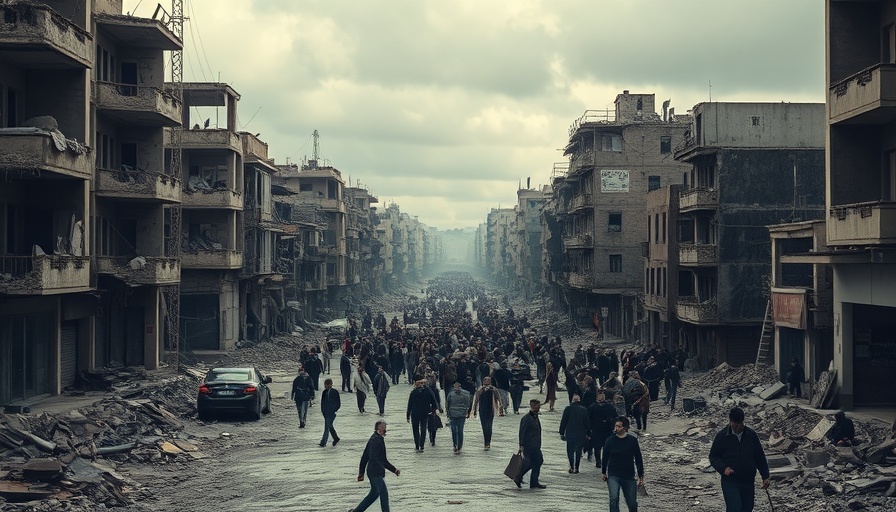
Palestinians walk through war-torn streets amidst ruins, cloudy sky.

Understanding the Recent Protests in Gaza

In a striking display of defiance, Palestinians in Gaza have taken to the streets, voicing their frustration against the ruling Hamas authority. Chants of "We want to live" resonated in the air, echoing sentiments from past protests against Hamas. This recent demonstration, dubbed a "march of rage," highlights a growing unrest within the region, reflecting the dire living conditions and the longing for more freedom among the Gazan population.

The Historical Context: A Legacy of Struggle

The protests are not an isolated incident but part of a persistent struggle that spans years. Residents of Gaza, who have often lived under oppressive conditions, have pushed back against various regimes, calling for their rights and a better quality of life. These protests signify a critical turning point in the dynamics of power between the people and Hamas, reminiscent of past uprisings that sought to challenge established authority.

What Do These Protests Mean for the Future?

Insights into these protests suggest a potential shift in the political landscape of Gaza. The citizens' dissatisfaction with Hamas’s rule may open the door for new leadership dynamics and a re-examination of governance in the area. As voices calling for change gain momentum, international observers might take this opportunity to engage with grassroots movements and locally-led initiatives, paving the way for dialogue on human rights and governance.

Reflecting on the Humanitarian Crisis

The protests also shed light on the larger humanitarian crisis that has plagued Gaza for years. Economic instability, limited access to resources, and strict blockades contribute to a climate of despair that fuels these demonstrations. While international aid groups strive to alleviate some of the suffering, the question remains: how much longer can the citizens of Gaza endure the status quo?

An Example of Global Solidarity and Support

As protests continue, it is crucial for the global community to listen and respond. The call for support from various humanitarian organizations and awareness campaigns can serve to amplify these protests on a broader scale. True solidarity comes from understanding the complexities at play and recognizing the diverse narratives that shape the lives of those in Gaza.

Turning Awareness into Action

The current situation in Gaza is a reminder of the intrinsic link between faith and social justice. As communities across the globe advocate for the rights of the oppressed, Christians and other mission-minded individuals are encouraged to act. Supporting humanitarian efforts, engaging in interfaith dialogues, and raising awareness about the plight of Gazans can create a ripple effect that may lead to positive change.

In conclusion, acknowledging the protest messages from Gaza not only fulfills our moral and spiritual obligations but also aligns with our broader efforts to advocate for justice and peace in the region. It is essential for all of us, as attentive supporters of humanitarian values, to bring our attention to these pressing issues and engage meaningfully in efforts to foster change.

International

19 Views

0 Comments

Write A Comment

*
*
Related Posts All Posts
12.15.2025

Bondi Beach Hanukkah Candle Lighting: A Beacon of Hope After Tragedy

Update A Tragic Light Amid Darkness In Sydney, members of the Jewish community gathered at Bondi Beach this past weekend to light the second Hanukkah candle at the site of a harrowing attack that left 15 dead and 38 wounded. As they stood together, their reflections illuminated more than just the flames; the event highlighted a community in mourning yet resilient in faith. Community Gathering: A Symbol of Resilience The lighting of the Hanukkah candle at such a poignant site serves as a profound act of remembrance and defiance. It draws attention to the resilience of those affected by violence and builds solidarity within and beyond the Jewish community. As Australian Prime Minister noted, "An attack on Jewish Australians is an attack on every Australian." This sentiment underscores the collective grief shared among all citizens, regardless of background. Reflections on Faith and Community Hanukkah commemorates the miracle of light, a beacon of hope even in the darkest times. In light of recent events, such gatherings become essential not only for healing but also for reaffirming the bonds of humanity across different faiths. People from various backgrounds are called upon to understand and empathize with this senseless violence. Voices of Courage: The Response to Violence Amidst the chaos, stories of heroism arise. Ahmad, the local Muslim who disarmed the attacker, embodies courage and compassion. His efforts remind us how solidarity can flourish even when fear attempts to divide us. In times of crisis, it is often the brave actions of individuals that spark hope for collective healing. National Mourning: Flags at Half-Mast In light of the tragedy, the Australian government declared an official mourning period, lowering flags to half-mast. This action symbolizes a country united in grief and recognition of the need for healing and reconciliation. It sets a precedent for other nations dealing with similar acts of violence to consider how they honor the memory of victims. What Lies Ahead: The Path to Interfaith Dialogue As communities reel from the aftermath of such devastating events, there is an urgent need to foster interfaith dialogue. Humanitarian efforts promoting understanding between different religious factions can be strengthened to counteract rising tensions. Encouraging open discussions can pave the way for a future of peace and cooperation. Practical Steps for Community Unity Moving forward, communities must take actionable steps to unite against hate. Local organizations can host interfaith events that promote understanding and empathy, fostering unity among diverse groups. Volunteering together for community service or hosting educational workshops focused on cultural awareness can help bridge divides. The recent tragedy at Bondi Beach exemplifies the pressing need for communities to come together. It serves as a powerful reminder of the resilience of faith and the strength found in unity. Let us reflect on how we, regardless of our backgrounds, can support the healing process and stand against the forces that threaten to divide us. As this Hanukkah season unfolds, let the lights signify hope, love, and communal strength. We urge you to engage in local initiatives that promote peace and understanding, fostering a brighter future for all.

12.14.2025

Bondi Beach Mass Shooting on Hanukkah: What It Means for Global Security

Update A Shocking Event on a Celebrated Occasion On the first night of Hanukkah, December 14, 2025, Bondi Beach in Sydney became the stage for a tragic mass shooting as celebrations were underway for the Jewish festival. The event, which should have been a joyous occasion marked by the lighting of the first candle, instead turned into a scene of chaos and despair. Immediate Response and Community Impact Reports indicate that emergency services were called around 6:45 PM following multiple gunshots during the festivities. Witnesses described a terrifying rush as beachgoers fled the area in panic, scene captured in distressing footage shared on social media. According to authorities, the police acted promptly and managed to apprehend two individuals suspected of perpetrating the shooting. Initial reports suggest that six people were transported to local hospitals, with eyewitness accounts indicating that some individuals may not have survived the attack. Australian Prime Minister Anthony Albanese described the situation as “shocking and distressing,” echoing the sentiments of a nation grappling with the threat of violence. The Intersection of Tragedy and Faith This violent intrusion on a religious celebration underscores the rising concerns about security during such significant events. The co-chief executive of the Executive Council of Australian Jewry, Alex Ryvchin, confirmed that their media director was injured in the shooting. This situation has raised significant alarm within the Jewish community, which often faces heightened risks during religious gatherings. Wider Implications and International Concerns The timing of this mass shooting, coinciding with a major Jewish celebration, serves as a disturbing reminder of the historical realities of religious persecution faced by Jewish communities globally. Not only does this incident call for an urgent discussion about safety during public religious observances, but it also poses questions concerning the rising tide of anti-Semitism and violence against faith-based gatherings worldwide. Reflections and Moving Forward The Bondi Beach shooting is a stark reflection of the volatile landscape present in many societies today, where celebrations can quickly turn into scenes of violence. Community leaders, safety experts, and interfaith advocates are now faced with the imperative to enhance protective measures during significant events. These measures not only ensure the safety of attendees but also reaffirm the community's right to celebrate their heritage in peace. Be Inspired to Take a Stand In times of such despair, it is crucial to foster solidarity and promote understanding among diverse communities. Engaging in interfaith dialogues, supporting enhanced security protocols at communal events, and educating ourselves and others about the importance of empathy can create a path toward healing and understanding.

12.13.2025

Marwan Barghouti: The Hollywood-Endorsed Palestinian Mandela?

Update Who is Marwan Barghouti and Why He Matters Marwan Barghouti, often referred to as the "Palestinian Mandela," is a name that evokes varying reactions across the globe. While he is considered a notorious figure among many Israelis, to others, especially within the realm of social justice and humanitarian work, he symbolizes hope and a potential path towards unity and peace in a fraught region. Barghouti has spent over two decades imprisoned for his alleged involvement in terrorist activities, including attacks that led to the deaths of several Israelis during the Second Intifada. Yet, his popularity remains remarkably high among Palestinians, where he is viewed as a charismatic leader capable of bridging deep divides within Palestinian society. Hollywood's Support: A Cultural Movement Recently, more than 200 prominent figures from the entertainment industry, including actors like Mark Ruffalo, Ian McKellen, and musicians such as Sting and Paul Simon, signed a petition advocating for Barghouti's release. The parallels drawn between Barghouti’s plight and that of Nelson Mandela are intentional and significant. Just as Mandela became a symbol of resilience against apartheid, many believe Barghouti could serve as a guiding light for Palestinians in their quest for statehood. Brian Eno, one of the petition signatories, emphasized how history shows that cultural voices can shift political landscapes, asserting that the same solidarity that once freed Mandela could bring Barghouti the freedom he seeks. Public Opinion and Political Implications Barghouti’s incarceration has not only garnered attention in the artistic community but also sparked discussions around political implications on a global scale. Legal experts argue that his trial was flawed, raising concerns about justice and fairness in the legal proceedings against him. This ongoing debate touches upon broader issues of human rights, particularly as groups like the Inter-Parliamentary Union have highlighted the need for a review of the circumstances surrounding his imprisonment. By advocating for Barghouti, his supporters suggest that releasing him could pave the way for healthier dialogue around a two-state solution, which many Palestinians view as essential to their aspirations for sovereignty. A Crucial Time for Interfaith Dialogue For many Christians and interfaith advocates, the struggle around figures like Barghouti extends beyond political significance. It raises essential questions about empathy, justice, and the role of faith in advocating for peace. As Christians engaged in humanitarian efforts, understanding the narratives of individuals on both sides of the Israeli-Palestinian conflict becomes vital. This knowledge fosters deeper interfaith dialogue and highlights the importance of addressing grievances without resorting to violence. What’s Next for Barghouti? As the global conversation around Barghouti intensifies, various implications loom on the horizon. With Israel’s government signaling resistance against his release unless compelled by significant external pressure, advocates for Barghouti face considerable challenges. The recent dynamics in the region complicate potential negotiations, particularly following the recent unrest and the Israel-Palestine conflict's resurgence. The call to free Barghouti thus transcends a mere plea for release; it becomes intertwined with the larger conversation on justice, reconciliation, and the future of peace processes in the region. In conclusion, the narrative surrounding Marwan Barghouti highlights the intersections of politics, culture, and faith, echoing the importance of compassion and understanding in complicated geopolitical contexts. For those committed to fostering an equitable peace, the ongoing advocacy surrounding Barghouti may be an essential step towards achieving lasting change. As you reflect on Barghouti's story, consider how you can engage with these complex issues and support efforts toward reconciliation and support for those who seek freedom and autonomy.

Terms of Service

Privacy Policy

Core Modal Title

Sorry, no results found

You Might Find These Articles Interesting

T
Please Check Your Email
We Will Be Following Up Shortly
*
*
*