



Why church design is mission, not marketing - and why it changes everything
When someone new connects with your church, their first impression rarely starts with the sermon. It usually begins with a Google search, a Facebook event graphic, a sign at the roadside, or a logo they glimpse on a leaflet. Long before they hear the gospel preached in your building, they’ve experienced the gospel framed by your design.
That’s why I don’t see church branding as “making things look cool”. I see it as clear communication and good stewardship. In a world where people are bombarded with high-quality visuals every day, poor design doesn’t just look a bit dated—it actively gets ignored. If the message we carry is the most important one in the world, it deserves to be presented with care, clarity, and thoughtfulness.
Design is often treated as a cosmetic extra that gets tacked on at the end of planning a ministry or event. But design is actually part of the welcome. It’s how we say, “We’ve thought about you,” before anyone from your team has shaken a hand or poured a cup of tea.
Design isn’t cosmetic for churches - it’s clear communication, and the welcome starts before the sermon.
Dan Nichols, Church Graphic Design (CGD)
The enemy: bland branding and the “name-only” trap
One of the most common problems I see is what I call “name-only branding”. A church logo is simply the church name typed out, often in a default font, with maybe a cross dropped in for good measure. Technically, that’s a logo. Practically, it tells a visitor almost nothing.
Generic logos that lack mission or community connection. When a logo doesn’t carry any sense of place, mission, or personality, it becomes invisible. It doesn’t help people remember you or understand what you’re about. It’s just a label.
Focusing on a name, not a purpose. Many churches stop at “This is what we’re called,” instead of asking, “What are we called to?” Thoughtful church branding connects your name to your purpose - why you exist, who you’re trying to reach, and how you serve your community.
Visitor takeaway: clarity builds trust. When branding is bland or confusing, guests subconsciously assume communications inside the church might be confusing too. First impressions: how design affects visitors, belonging, and engagement is simple - clarity in your visuals builds confidence; vagueness erodes interest instantly.
None of this is about being trendy. It’s about whether someone visiting your website or walking past your building can quickly answer: “Who are these people? Do they seem to understand my world? Would I feel out of place here?” Your design should help them say, “I think I could belong here. ”
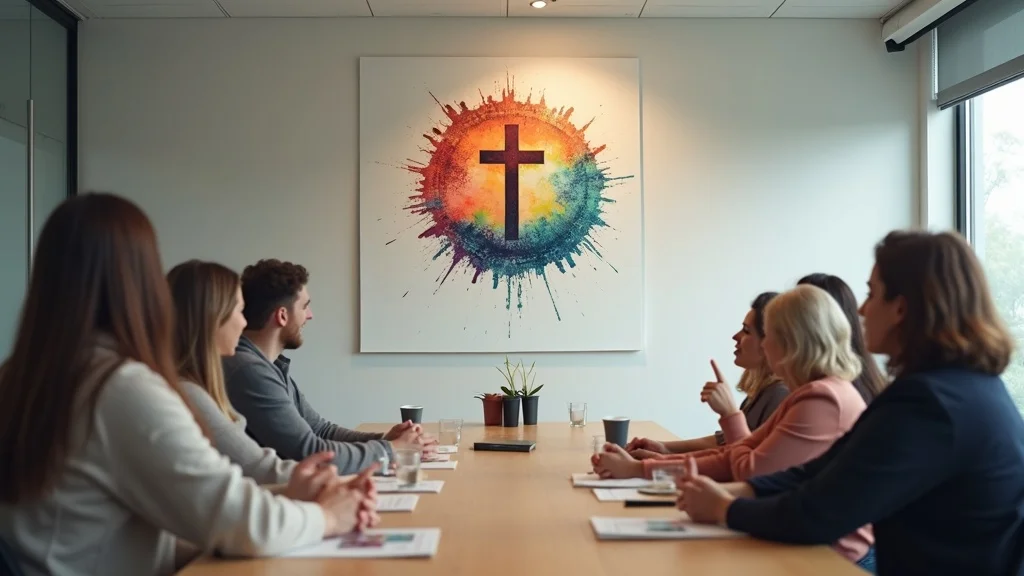
The epiphany: good church branding makes belonging immediate
I’ve seen again and again how thoughtful church graphic design can make belonging feel immediate, especially for visitors who are nervous, unsure, or new to Christian things. When your visuals connect your mission, ministry, and local community, people feel seen before they’ve said a word.
A logo alone won’t disciple anyone. But the right logo, colours, and typography - used consistently across your website, social media, print, signage, and livestream - can reduce friction, calm anxiety, and make your church feel approachable. In a digital-first, hybrid world, where “online and in-person must feel like the same church”, that cohesion is crucial.
Good design in a church context is essentially visual hospitality. It’s creating a clear, welcoming environment - on screen and on site - so the message of Christ can be heard without unnecessary distraction or confusion.
A logo that connects your mission, ministry, and community isn’t art - it’s hospitality.
Dan Nichols, CGD
Story: how a single design invites a whole community in
One project that captures this for me is the branding I created for Stenson Fields Christian Fellowship. They’re set in an area known for its green fields, and their heart is to be rooted in Scripture while serving their local community. The question was: how do we make that visible at first glance?
Case study: integrating Scripture, location, and mission. Their logo is an open Bible, but the pages form rolling green fields. In one simple mark, you have the Word of God, the rural setting, and a sense of growth and life. It doesn’t shout, but it quietly tells their story.
Outcome: visitors feel seen and welcomed. New people don’t need the concept explained to them; they just sense that this is a church that cares about both God’s Word and this specific place. Online, on signage, and on printed materials, the same imagery gently reinforces that welcome.
Actionable nugget: tie every visual to context, calling, and story. When working on first impressions - how design affects visitors, belonging, and engagement - every visual element is an opportunity to say something meaningful about who you are and who you’re for.
That’s the power of intentional church design. It doesn’t replace relationships, preaching, or pastoral care, but it does make it easier for all of those things to begin.

The five-step “Belonging by Design” framework for UK churches
Over years of working with churches of all sizes, I’ve developed a simple framework that helps leaders think through first impressions: how design affects visitors, belonging, and engagement in a practical way. It’s especially helpful if your team is small and volunteer-led.
Clarify your church’s identity and mission. Before you touch a logo, you need clarity on who you are. Not just what you do on Sundays, but why you exist, what you value, and how you hope people will grow through your ministry. This clarity becomes the anchor for all design decisions.
Research your local area and demographics. Design for real people, not a generic “everyone.” Think about age ranges, language, digital habits, and local culture. A small fellowship with an older congregation will communicate differently to a city-centre church with a large student population - but both can be clear, warm, and accessible.
Develop a visual system - not just a logo. A logo is only one part of church branding. You also need an intentional colour palette, font choices, imagery style, and a set of templates for sermons, social posts, events, and notices. That system is what keeps your communications consistent when volunteers are creating materials.
Ensure digital-first consistency. Today, most first impressions happen online. Your website, livestream, social media, and in-person signs should all feel like the same church. This digital-first identity system makes it easier for people to recognise you and trust that what they see online will match what they experience in the building.
Test, iterate, and involve volunteers. Branding only works if people can actually use it. Share templates with your volunteers, see where they struggle, and refine. Easy-to-use design systems sustain engagement and ministry long term, without burning out your team.
Design that feels like “us” makes new faces feel like “family” - on Sunday and all week long.
Dan Nichols, CGD
When considering how to develop a visual identity that truly reflects your church’s mission and community, it’s helpful to explore practical approaches to branding and logo design. For a deeper dive into creating a cohesive and meaningful church brand, you might find the insights in this guide to branding and logo design especially useful as you shape your church’s first impression.
From first glance to lifelong engagement: practical tips for mission-supportive design
Once you’ve got the foundations in place, the question becomes: how do we carry this into day-to-day church life? How can design support missional outreach, community engagement, and new visitor retention in a way that’s actually manageable for real churches with real constraints?

Craft a digital-first identity. Choose a church logo and visual style that works well in small digital spaces - social media avatars, app icons, mobile browsers - as well as on banners and signage. If your logo only works on a massive banner, it will struggle in the places people actually see you first: search results, maps, and social feeds.
Simplify your message. Clear, simple taglines that hint at your mission are far more effective than long theological phrases no one understands. Avoid jargon on public-facing materials. Plain English that points to Jesus and community is not “dumbing down” - it’s loving your neighbour.
Stay seasonally relevant. The UK church calendar is full of opportunities: Christmas, Easter, Harvest, Remembrance Sunday, Back to Church Sunday, Alpha, Christianity Explored, and more. Using cohesive seasonal campaigns - social graphics, invite cards, posters, and follow-up landing pages - keeps your outreach focused and recognisable.
Match online and in-person visuals. Hybrid ministry means your worship visuals, sermon slides, and livestream overlays should align with what people see on your website and printed materials. When everything feels connected, people experience one coherent church whether they’re in the room or watching from home.
Use subscription packs to save time and energy. Many churches simply don’t have hours every week to design from scratch. That’s why I create UK-specific monthly and seasonal graphic packs - ready-to-customise sermon series graphics, social posts, motion backgrounds, and print assets. This kind of support lets leaders focus on people and preaching, not pixels.
All of these elements feed into first impressions: how design affects visitors, belonging, and engagement. When someone lands on your website, joins a livestream, or walks through your doors, the visual experience either supports your message or makes it harder to grasp. The goal is always the same: remove friction so people can encounter Christ and community clearly.
FAQ: overcoming common design and branding objections
“Isn’t branding just ‘marketing for churches’?” Healthy church branding isn’t about selling; it’s about stewardship. You’re already communicating something with your visuals - branding simply helps you ensure that what you’re communicating is accurate, welcoming, and aligned with your mission. It’s an act of love to make it as easy as possible for newcomers to understand who you are and how they can get involved.
“Our team is small and volunteer-driven. How can we manage this?” Most churches I work with rely on volunteers, so the key is to aim for simple and repeatable, not flashy and bespoke. A small set of agreed colours, fonts, and templates can massively reduce decision-fatigue. Add in some outside support -whether once-off brand development or ongoing subscription packs—and you give your volunteers tools that make their service joyful rather than stressful.
“Can good design really increase engagement?” Design alone won’t grow a church, but unclear design definitely puts barriers in the way. When your communications are consistent, accessible, and easy to navigate, people are more likely to find your service times, plan a visit, sign up for events, or invite a friend. In that sense, good design quietly supports engagement, discipleship, and growth by keeping the path to involvement obvious and welcoming.

Key takeaways: how design eases friction and grows community
First impressions in church design drive visitor retention and belonging. People are forming opinions about your church from your logo, website, and signage long before they sit in a service. Thoughtful design can turn that first impression into an invitation, not a barrier.
Inclusive, consistent graphics bridge the gap between digital and in-person ministry. When your online presence and in-building experience feel like the same church, people feel safer taking their next step—from watching to visiting, from visiting to belonging.
Thoughtful design supports your mission and frees pastors to focus on people, not pixels. Clear identity systems, templates, and subscription packs mean less time wrestling with software and more time doing what leaders are called to do: preaching, praying, and shepherding.

Ready to transform your church’s communication?
If you’ve felt the tension between wanting to communicate clearly and simply not having the time, tools, or confidence to make it happen, you’re not alone. Most churches were never designed to also be media agencies. Yet in a digital-first age, first impressions: how design affects visitors, belonging, and engagement has become a key part of everyday ministry.
This is exactly why I started Church Graphic Design - to stand alongside UK churches and Christian organisations as a practical, gospel-hearted design partner. Whether you need a fresh visual identity, sermon series graphics, a more welcoming website, or ongoing ready-made packs that your volunteers can easily customise, there are ways forward that respect your capacity and honour your calling.
If you’re ready for your visuals to finally match your heart for mission, now is a good time to take the next step. Review your current first impressions honestly - Google your church, scroll your social feed, walk up to your entrance as if for the first time - and notice what your design is saying. Then, start a conversation about how it could speak more clearly of Christ, community, and welcome.
When your design tells your story well, it saves you hours explaining—and welcomes before you speak.
Dan Nichols, CGD
If you’d value help making that shift, I’d love to hear from you. Together we can create church branding and graphics that feel like “you”, serve your volunteers, and quietly clear the way for people to hear the gospel.
For those looking to take their church’s communication strategy even further, exploring the broader principles of branding and logo design can unlock new levels of clarity and connection. Discover how a well-crafted brand identity can support your mission and help your church stand out in a crowded digital landscape by visiting our comprehensive resource on branding and logo design for churches. It’s a valuable next step for leaders ready to deepen their impact and create a lasting sense of belonging.
When considering how design influences first impressions, visitor engagement, and a sense of belonging, it’s essential to recognise the profound impact of visual elements on user perception. For instance, the article “First impressions, lasting impact: how design drives visitor engagement” emphasises that a website serves as the digital front door to your organisation, highlighting the importance of a thoughtful, strategic design in driving engagement and improving search engine performance. (simpleviewinc. com)
Similarly, “The Comprehensive Science of Digital First Impressions” explores how visual design fundamentally shapes user perception, digital engagement, and business success, noting that the human brain processes visual information 60,000 times faster than text, and first impressions are formed in as little as 0. 05 seconds. (slop.design)
If you’re serious about enhancing visitor engagement and fostering a sense of belonging through design, these resources offer valuable insights into the critical role of first impressions and practical strategies for effective design implementation.
____________________
Dan Nichols is the Founder and lead Graphic Designer at Church Graphic Design based in Chesterfield, UK
Published by Ken Johnstone MBA BSc, Executive Editor




Write A Comment