Add Row
Add Element
cropper
update

Biblical Living Unlocked

Logo - Biblical living unlocked
update
Add Element
  • Home
  • Categories
    • Biblical Parenting
    • Parenting Tips
    • Family Fellowship
    • Bible Teaching
    • Apologetics
    • Community Stories
    • Youth Focus
    • International
    • Walton Evangelical Church
    • Salt Church Mar Menor
    • Salt Church Los Montesinos
    • John Piper
    • News & Offers
Add Element
  • Ken on Facebook
    update
  • update
  • update
  • update
  • update
  • update
  • update
May 15.2025
3 Minutes Read

Exploring Trump's Nobel-Worthy Mega Deal: What It Means for Gaza's Future

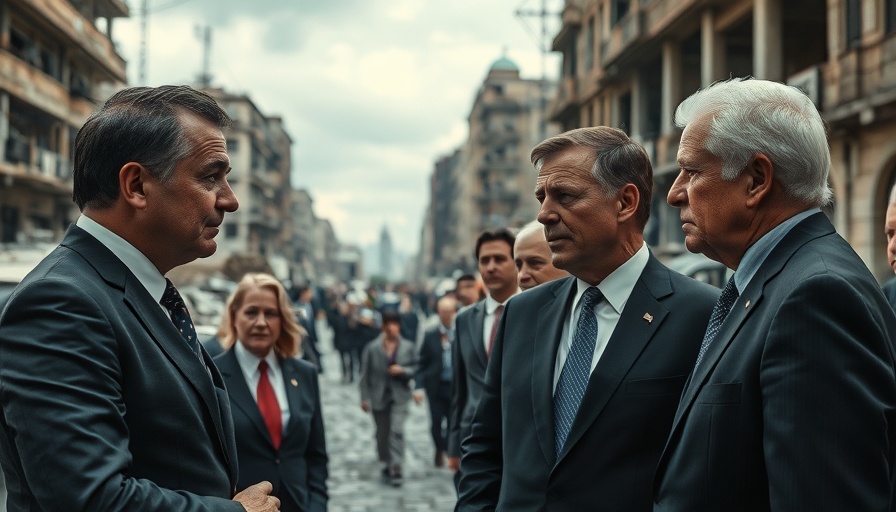
Political leaders amidst Gaza destruction for Trump's Gaza mega deal.

A Glimpse into Trump's Ambitious Mega Deal for Gaza

In a bold move that aims to reshape the Middle East, former President Donald Trump has unveiled a comprehensive plan aimed at establishing peace in Gaza, considered 'Nobel-worthy' by some commentators. This initiative proposes a ten-year reconstruction program, driven by the cooperation of an Arab-American committee. The cooperation will be pivotal in overseeing the reconstruction efforts that may help bring stability to a region marred by decades of conflict.

The Framework of Hope: Palestinian Authority's Role

Central to this mega deal is the active involvement of the Palestinian Authority (PA), which is expected to endorse the plan following significant reforms. These changes are essential to align the PA with the expected responsibilities in managing reconstruction efforts. For many advocates of peace in the region, this step signals a notable shift towards cooperation rather than conflict. However, what implications does this hold for the citizens of Gaza and the political landscape in Israel?

Challenges Ahead: Hamas Leaders and Exile

One of the most contentious aspects of Trump's plan is the potential exile of Hamas leaders as part of the deal's negotiations. Forced exile has been a historical practice in conflict resolutions, but critics argue that it only deepens divisions and leaves a void filled by further unrest. The inquiry arises: can meaningful restitution and reconciliation occur if key players are removed from the equation?

Impact on Social Justice and Humanitarian Efforts

For those invested in social justice and humanitarian work, this mega deal presents a profound opportunity. By ensuring that reconstruction efforts focus on sustainable development, advocates can help transform the humanitarian crisis in Gaza into an opportunity for growth and stability. Key questions remain, however: how will the reconstruction investment translate into long-term benefits for local communities? Will the benefits reach those most in need, especially marginalized groups such as women and children?

Theological and Historical Context

In understanding the implications of this mega deal, it is critical to reflect on the historical context of the Israeli-Palestinian conflict. Theologically, perspectives from Christian advocacy groups often create a nuanced dialogue around peace-building efforts in this contested land. Many believers view this process not just as a political maneuver but as a deeply spiritual quest for justice and reconciliation, urging a prayerful approach to ongoing dialogues.

Future Predictions: Can This Deal Really Succeed?

Looking ahead, the success of Trump's Gaza initiative will depend heavily on multifaceted local and international support. Numerous commentators predict that if Israel can embrace a cooperative stance alongside Palestinian authorities, there may be a pathway to repairing fractured relations. However, it is vital to keep in mind that previous peace initiatives have failed amidst rising tensions and lack of trust. Can this revamped approach counter those precedents?

Keywords and Engagement: What Can You Do?

As believers and advocates for peace, you can engage in meaningful dialogue regarding this initiative. Share your thoughts in community forums, pray for wisdom for leaders involved, and communicate with local advocacy groups aiming to facilitate humanitarian aid in the region. Each contribution can help foster a greater understanding of the complexities involved.

In closing, as we navigate the intricate and often turbulent waters of Middle Eastern politics, it's essential to remain hopeful and engaged. Frank conversations can pave the way towards greater understanding and unity, stirring compassion in our communities and fostering an ongoing commitment to justice and peace.

International

25 Views

0 Comments

Write A Comment

*
*
Please complete the captcha to submit your comment.
Related Posts All Posts
04.18.2026

Breaking Down the Emerging US-Iran Arrangement: What It Means for Global Diplomacy

Update Understanding the New US-Iran Dynamics As tensions ease slightly, the recent negotiations between the US and Iran offer vital insights into a shifting geopolitical landscape. The US government, under President Trump, has indicated a willingness to engage in discussions that may reshape the future of diplomatic relations. With Iran facing intense economic pressure due to the ongoing American blockade, these talks have become more critical than ever. The Economic Incentive Behind Relations Diplomatic sources suggest that a breakthrough in talks occurred as economic hardships limited Iran’s ability to operate under sanctions. A pivotal element of this developing arrangement includes the potential unfreezing of $20 billion in Iranian assets. This financial lifeline could significantly bolster Iran's struggling economy, providing necessary resources for humanitarian needs and economic recovery. Nuclear Supervision: Balancing Security and Diplomacy Central to discussions is the issue of Iran's nuclear program. In this arrangement, Iran would retain its civilian nuclear facilities, but these would be under full international supervision to ensure compliance with safety and non-proliferation standards. This compromise reflects an understanding that energy needs and security are intertwined, and finding a common ground is essential for lasting peace. The Role of Regional Players in Mediation The involvement of regional mediators, particularly Pakistan, highlights the importance of local dynamics in international diplomacy. General Asim Munir's visit to Tehran has been credited with fostering dialogue between the parties. This mediation underscores a collective regional desire for stability, suggesting that Middle Eastern nations are increasingly seeking to play proactive roles in conflict resolution. Potential Impacts on Human Rights and Social Justice As the US and Iran navigate their diplomatic engagement, it is crucial to ensure that the rights and voices of the Iranian people are not overlooked. For globally aware Christians and humanitarian-focused individuals, this transition is also about advocating for social justice. There is hope that improved relations could lead to increased freedoms and protections for marginalized communities within Iran, whose needs are often overshadowed in high-level negotiations. Embracing the Challenges Ahead The pathway forward is fraught with challenges. Internal divisions within Iran pose significant hurdles to executing any agreement reached. For Christians concerned with the plight of the persecuted church, staying informed about these dynamics is essential. Enhanced US-Iran relations may indeed influence the treatment of religious minorities in Iran, highlighting the need for ongoing advocacy and interfaith dialogue. Encouraging Compassionate Engagement Amidst these complex discussions, adopting a compassionate approach remains vital. As members of a global community, engaging with conflicts through empathy and understanding can inspire meaningful dialogue and support. This engagement fosters advocacy that prioritizes the needs of the underserved in Iranian society. In conclusion, as these diplomatic negotiations evolve, it is paramount for socially conscious individuals to remain engaged and informed. Monitoring developments in the US-Iran dynamic not only helps in understanding geopolitical movements but also contributes to informed advocacy efforts seeking justice for those facing persecution. Call to Action For those who care about the welfare of the persecuted church and social justice, now is the time to support interfaith dialogues and humanitarian efforts that can positively influence the direction of US-Iran relations. Engage with organizations that advocate for the voiceless and aid those in need—a small action can lead to significant change.

04.17.2026

Why Israel is Winning Military Battles But Losing Hearts in America

Update Israel and American Public Opinion: A Troubling Disconnect As the dust settles from military engagements in the Middle East, a glaring issue is emerging beyond the battlefield: the shift in American public opinion concerning Israel. Despite military successes, Israel faces growing discontent from the very ally it has relied on for decades, a sentiment that echoes loudly within Christian circles who traditionally support the nation. The Recent Pew Research Findings A recent Pew Research Center survey reveals a significant change in how Americans perceive Israel and its leadership. The data shows that nearly 60% of Americans harbor an unfavorable view of Israel, an increase from 53% within just a year. Moreover, 28% report having a 'very unfavorable' view—a stark increase from previous years. This dissatisfaction is especially pronounced among younger demographics, as voiced in the findings, reflecting a possible generational rift in attitudes towards Israel. Behind the Numbers: The Contextual Factors at Play Several factors are contributing to this downward trajectory in public opinion. Previous conflicts, especially the Israel-Hamas tensions, have alienated younger supporters, particularly those on the left. The resurgent antisemitism on the far right and Israel’s perceived aggressive stances in military conflicts have compounded the issue. It appears that, while Israel may be winning militarily, it is simultaneously losing a critical cultural and political ally. Implications for U.S.-Israel Relations The implications of this shift are profound. Historically, Israel’s security has been anchored not just in military triumphs but also in unwavering public support from the U.S. populace. If this trend continues, future American administrations may reconsider the scale of financial and military aid provided to Israel, reshaping the landscape of political support drastically. Such changes could undermine Israel’s long-held strategy that leverages its relationship with America as a cornerstone of its national security. The Role of Leadership: Netanyahu’s Influence The leadership of Prime Minister Benjamin Netanyahu comes under scrutiny here, as his handling of American relations has been met with growing skepticism. His alliances, particularly with controversial figures like Donald Trump, have strained ties with moderate Democrats and younger voters. This leadership dynamic is directly correlated with the declining confidence levels in Netanyahu, where 59% of Americans express little or no faith in his ability to navigate global affairs effectively. Intersecting Faith and Politics For Christians supporting Israel, the changing landscape of American public opinion raises vital questions about faith-influenced activism. Many within this demographic feel torn as they try to reconcile their theological beliefs with the political realities unfolding. Understanding this issue is crucial for faith communities aiming to foster constructive dialogue surrounding Israel. The Future: Predictions and Considerations As the situation evolves, attention must be paid to how public perception might affect U.S. policy. Could the desire for a more equitable solution to Middle East conflicts push institutional shifts that reassess the traditional U.S.-Israel dynamic? The path ahead remains uncertain, but fostering understanding could facilitate a more nuanced approach to American-Iranian tensions and broader geopolitical engagement. Call to Action: Engaging in Meaningful Dialogue Understanding these dynamics is essential for those interested in the intersection of faith and global politics. As members of faith communities, engaging in conversations about America’s role in the Middle East and supporting dialogue around Israel’s future can influence outcomes. Encouraging empathetic discussions in church settings and community forums will ensure these issues do not remain silenced.

04.16.2026

Understanding Sudan’s Civil War: Insights into a Humanitarian Crisis

Update Sudan's Civil War: A Crisis Unfolding As we mark three years since the outbreak of civil war in Sudan, the situation has spiraled into one of the worst humanitarian crises of our time, with millions facing dire circumstances. Following the fierce conflict that ignited in April 2023 between the Rapid Support Forces (RSF) and the Sudanese Armed Forces (SAF), the consequences have been devastating. Reports estimate that around 4,000 people have been killed, while over 11 million have been uprooted from their homes, seeking refuge under increasingly dire conditions. The Humanitarian Toll: A Society in Collapse According to the United Nations, Sudan is now facing a humanitarian disaster of “industrial proportions,” leading to an unprecedented displacement crisis. As many as 30 million people, roughly 60% of Sudan’s total population, require some form of humanitarian assistance. Many of those who have fled find themselves in refugee camps where access to food and clean water is scant. The situation is worsened by the lack of employment opportunities, which forces some individuals to join armed groups in search of survival. Faith Amid the Flames: The Role of the Church While the despair felt in Sudan is palpable, there are glimmers of hope that shine through the shadows of war. Pastors and church leaders are working tirelessly to provide spiritual support and material aid to their communities. Pastor Tariq, a devoted leader, emphasizes Christianity’s call to active compassion: "We cannot just sit idle and do nothing because of the war." His commitment illustrates the resilience of faith, shining brightly amid suffering. Many believers displaced from their homes face additional challenges; they are often denied humanitarian aid and pressured to join militias. Echoes of Violence: A Crisis of Atrocities In a disturbing trend, the violence against the Sudanese population, particularly in the Darfur region, has reached horrifying levels, with acts of sexual violence becoming pervasive. The RSF has been cited for committing heinous crimes including mass executions and rape, which UN officials characterize as genocide. This grim narrative underscores the urgent need for international attention and intervention as communities strive for survival amidst chaos. Global Implications: A Call for Action The situation in Sudan serves as a stark reminder of the interconnectedness of global events. As foreign nations provide support to the warring factions, the humanitarian crisis intensifies. Aid efforts are hindered by these ongoing events, with significant funding gaps for relief. Reports indicate that while countries like the United States have shifted their focus to other conflicts, the needs in Sudan remain critical. Standing in Solidarity: How You Can Help As we reflect on the plight of those affected by the conflict in Sudan, it becomes clear that now is the time to act. Support groups focused on relief efforts in the region are asking for prayers and proactive assistance to ensure aid reaches those in need. Whether you choose to donate to humanitarian organizations, advocate for government support, or simply share information about Sudan’s crisis, your actions can lead to meaningful change. In a world filled with strife and difficulty, maintaining hope is paramount. Sudan’s experience highlights the resilience of faith communities amidst adversity and calls for a collective effort to bring relief and justice to affected populations. Let us join our efforts to support our brothers and sisters in Sudan, as they navigate through the chaos and despair.

Terms of Service

Privacy Policy

Core Modal Title

Sorry, no results found

You Might Find These Articles Interesting

T
Please Check Your Email
We Will Be Following Up Shortly
*
*
*