Add Row
Add Element
cropper
update

Biblical Living Unlocked

Logo - Biblical living unlocked
update
Add Element
  • Home
  • Categories
    • Biblical Parenting
    • Parenting Tips
    • Family Fellowship
    • Bible Teaching
    • Apologetics
    • Community Stories
    • Youth Focus
    • International
    • Walton Evangelical Church
    • Salt Church Mar Menor
    • Salt Church Los Montesinos
    • John Piper
    • News & Offers
Add Element
  • Ken on Facebook
    update
  • update
  • update
  • update
  • update
  • update
  • update
May 10.2025
4 Minutes Read

Exploring the Unstoppable Gospel: How Christ's Victory Shapes Our World

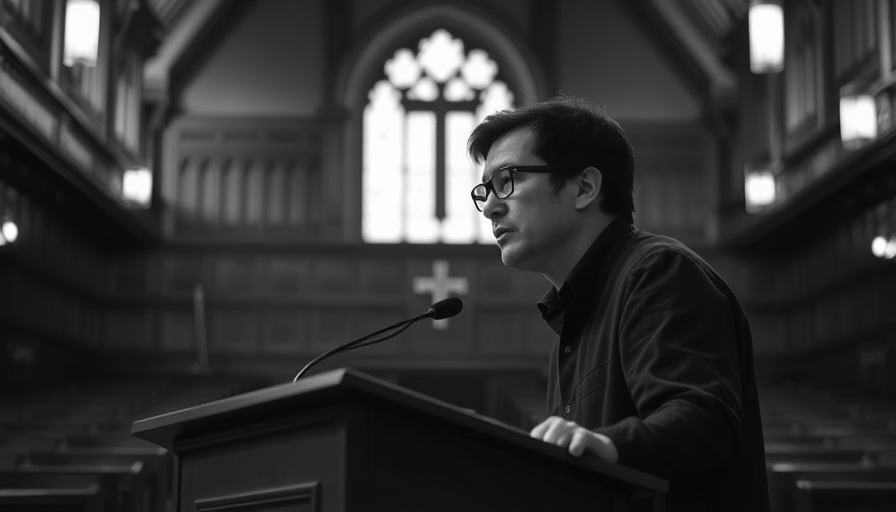
Podcast cover for 'The Unstoppable Gospel' episode.

The Unstoppable Movement of the Gospel Around the World

In a world filled with uncertainty and rapid change, it’s easy to forget that something incredible is happening all around us. Just recently, I watched a sermon by John Piper titled “The Unstoppable Gospel,” where he beautifully articulated how God is still very much in charge, actively moving in places like China, Korea, Africa, and beyond. This serves as an inspiring reminder that despite the chaos around us, the Gospel of Jesus Christ continues to thrive and expand.

In 'The Unstoppable Gospel,' John Piper presents a powerful exploration of God's ongoing work and the spreading of the Gospel, leading us to analyze the incredible movement of Christianity worldwide.

The Power of the Resurrection

Piper emphasizes three key truths found in Acts 5:30-31: that God raised Jesus from the dead, Jesus is exalted and reigning as King, and that He gives repentance and forgiveness to all nations. These foundational facts are not only essential for our understanding of Christianity but are also sources of incredible hope. The very core of Christianity is anchored in the resurrection, highlighting the triumph of life over death. Through this resurrection, believers can feel assured that the movement initiated by Jesus is unstoppable. He is alive, and because of that, so is our faith!

Snapshots of Hope Across the Globe

Piper shares compelling accounts of how the Gospel is flourishing even in the most unlikely places. For instance, during the oppression in China, when the Cultural Revolution aimed to eradicate Christianity, the opposite happened: millions turned toward Christ. This rise in faith is heartening, especially when we learn that in some cities, up to 10% of university students are now embracing Christianity. This transformation is only one of many signs showcasing that God's work is moving forward, despite human attempts to silence it.

Hope and Growth in Africa and the Soviet Union

Turning our eyes to Africa, we witness a staggering shift. Once only 4% of the population professed faith in Jesus, but today that figure jumps to 40%! Daily, thousands are finding their way to Christ. Even in the Soviet Union, where belief was suppressed, 36% now profess Christianity against the odds. Piper’s message encourages us that God will always have a plan, no matter the resistance faced.

A Global Movement Shaping Future Generations

Moving beyond geography, Piper highlights the shift in mission agencies, which have rapidly increased in number, now finding a place in regions once deemed unreachable. Local churches are transforming into centers for global outreach, as believers from various nations rise to take the message of Christ to new frontiers. This reflects the kind of community we've envisioned here: one filled with hope and determination to spread the love of Jesus.

The Importance of Community for Spiritual Growth

As we explore these global dynamics, it’s crucial to reflect on our local communities. Our own churches, like Salt Church and Walton Evangelical Church, are part of this greater movement. Think of how you can inspire others in your community to be part of this beautiful mission. Every support you offer reminds fellow believers that they are part of something larger, connecting them to a worldwide family that shares the hope found in Christ.

The Church's Role in Spreading Light and Hope

Piper talks about visions of churches filling cities with the light of Christ. Imagine our places of worship becoming beacons of hope, where we connect, grow and support each other. How will you contribute to this? Whether through prayer, service, or outreach, your involvement can ignite passion in others, providing them with the courage to fulfill God’s mission where they are planted.

What Every Young Person Should Know

Perhaps the most important takeaway for young people is understanding that they have an active role in this movement. Even in today’s fast-paced and media-driven world, their passion and voice can usher forth authenticity. As Piper so masterfully conveyed, the Holy Spirit empowers each person willing to obey God’s calling. Young people can dive into their spiritual journeys with confidence, knowing that they are part of a divine narrative that’s moving forward.

The heart of the Gospel is a story of redemption and repentance. We invite every young heart to explore their faith, engaging with the community and participating in this unstoppable movement. Let’s make it a priority to keep spreading the news that Jesus is alive and ruling the world — the Gospel truly is unstoppable!

If you're seeking ways to strengthen your faith, consider joining a local Bible study or attending community events at your church. Together, we can nurture relationships that grow deeper in Christ and encourage one another to share His love with the world.

John Piper

16 Views

0 Comments

Write A Comment

*
*
Related Posts All Posts
12.07.2025

Understanding Why We Should Submit to Paul's Letters for Spiritual Growth

Update Why Submission to Paul’s Letters MattersThe letters of Paul, rich in teaching and instruction, hold significant importance for the modern Christian. Yet, why should we submit to them? As we delve into Titus 1:1–4, it’s vital to explore the implications of these texts on our understanding of faith, leadership, and community.The Character of Paul’s LettersPaul's letters serve not only as theological discourses but also as practical guidance for living out faith in diverse community contexts. They were written in a specific historical backdrop, addressing both believers and non-believers, challenging them to embrace a life of faith through godly submission. The apostle Paul himself navigates complex issues such as authority and governance within the church community, emphasizing how these teachings can foster spiritual growth and unity.Understanding the Importance of SubmissionSubmission to Paul’s teachings, while at times contentious in modern discussions, underscores a core principle of Christian living: the willingness to put aside personal desires for the greater good of the church. This concept of submission isn’t about oppression; rather, it reflects a mutual surrender to Christ’s lordship over our lives. As Paul outlines in Titus, submitting to spiritual authorities can lead to a greater understanding of God’s purpose for our lives.Mutuality in SubmissionThe beauty of submission lies in its reciprocal nature. Referring back to Paul’s other letters, such as Ephesians and Colossians, there is a clear call for mutual respect and love within the church and, notably, in our personal relationships. The harmony Paul advocates for within households and congregations is about collaboration and shared mission, moving beyond mere hierarchical structures to foster deep, meaningful connections among believers.The Contextual Relevance of Paul’s TeachingsToday, as we navigate our own cultural dynamics, Paul's letters challenge us to re-examine societal norms regarding leadership, marriage, and community roles. In the early church, the radical idea of shared leadership and mutual respect shook the very foundations of cultural expectations. Understanding this context provides renewed insight into how we might apply these principles amidst modern societal challenges, encouraging a posture of humility and service.Practical Applications for Everyday LifeIn a world fueled by self-interest, submitting to the principles laid out in Paul’s letters provides a refreshing counter-narrative. Not only does it invite us into deeper relationships with one another, but it cultivates environments where God’s love and grace can flourish. As families and communities reflect this model of mutual submission and leadership, we pave the way for holistic growth and authenticity in our faith journeys.Conclusion: Embracing the Call to SubmitOur willingness to engage with Paul’s letters can illuminate our path as believers and community members. By understanding the context and intention behind his teachings, we equip ourselves to embrace a lifestyle of submission that honors Christ and empowers those around us. Let us strive to reflect the heart of Paul’s message in our own walks of faith, encouraging one another, and seeking the greater good of our communities. This commitment to submission is not just a religious duty; it is a pathway to true joy, unity, and spiritual growth.

12.08.2025

Unpacking the Importance of Paul’s Letters to Your Faith Journey

Update Understanding Paul’s Unique Role as an Apostle In the enlightening discourse on Titus 1:1-4, Paul emerges not just as a teacher of the gospel but as a foundational figure in the early Christian church. The term "apostle" is reserved for a specific and esteemed group, making Paul's identification as an "apostle of Jesus Christ" significant. What does this mean for us today? Understanding Paul's role can deepen our appreciation for the New Testament and its teachings.In 'Why Should We Submit to Paul’s Letters? Titus 1:1–4, Part 3', the discussion dives into Paul's unique role and authority as an apostle, exploring key insights that sparked deeper analysis on our end. The Meaning Behind Jesus Christ It's intriguing to note Paul's intentional use of the title "Jesus Christ" in his letters, especially in Titus. This designation is not merely semantic; it highlights both the historical identity of Jesus as the deliverer and the divine title of the Messiah. This duality encourages us to recognize the profound implications of recognizing Jesus not just as a savior but as the appointed anointed one who connects us with God. An Apostle’s Authority: More Than Just a Title Paul's authority as an apostle is clear throughout his writings, but understanding how he perceives this role helps us grasp the weight of his teachings. Paul refers to himself as “the least of the apostles” due to his past as a persecutor of the Church. Yet, this same individual is chosen by Christ to articulate God's teachings—what a demonstration of grace! This reminds us of God's capacity to use even those who have strayed from the path. Building on a Strong Foundation: Apostolic Teachings As Paul articulates in Ephesians, the teachings of the apostles serve as the very foundation of the Church. Each letter, each word penned by the apostles, carries the weight of their divine appointment. In a world of shifting morals and beliefs, acknowledging the apostolic writings as cornerstones brings stability to our faith. Transformative Impact of Apostolic Teachings Engaging with Paul’s letters should prompt us to reflect on our current lives and implications for our personal faith journeys. As committed Christians seeking spiritual growth, we are called to reflect upon the lessons embedded in apostolic teachings. How can we integrate this wisdom into our families, youth groups, and communities? It encourages us to foster discussions about faith while aligning our lives with Biblical principles. Why We Should Embrace This Knowledge By delving into Paul's words, we gain access to a treasure of spiritual insights that guide our relationship with God. These scriptures not only challenge us as individuals but also provide a framework for building strong, faith-filled communities. This legacy of Apostolic teaching sets the backdrop for nurturing personal growth and collective faith journeys. The Responsibility of Knowing As we comprehend Paul's authority and teachings, we bear the responsibility of recognizing their relevance for today. Understanding these doctrines inspires humility and gratitude. It reminds us that we are part of a vast narrative woven by God's hand throughout time. So, as we gather to read and reflect upon the Scriptures, let us do so with a deep sense of respect and an eagerness to apply these lessons in our lives. For committed Christians eager to grow in faith, these insights offer a pathway to deeper understanding and a stronger community. As you explore Paul’s letters, consider how they speak to your life and how you might share this knowledge with others. Whether you’re a new believer, a parent, or a church leader, there are endless opportunities to build on the teachings of the apostles—making them alive in our interactions and commitments daily.

12.07.2025

Discovering the God Who Empowers Our Obedience Daily

Update The Quiet Yet Powerful Work of God in Our Lives As believers, we often overlook the simple yet profound evidence of God's presence in our lives. When we do good, whether it’s showing kindness, patience, or simply making an effort to be on time, we aren't just performing good deeds; we are participating in the work of God. This fundamental idea, highlighted by John Piper in his teaching, serves as a powerful reminder that God is continually empowering us in our everyday acts of obedience.In 'The God Who Empowers Obedience,' the discussion dives into how God operates in our daily lives, inspiring us to reflect on His quiet yet powerful work in our obedience. Embracing the Divine Empowerment God's work is sometimes subtle; it's not always in the loud or remarkable moments that we often seek. We may think of divine empowerment only in terms of miracles or grand events. However, as Piper emphasizes, even routine behaviors like kindness or punctuality can be indicators of God at work within us. Each moment we choose good over evil, we align ourselves with God's nature, reflecting His glory in our actions. This acknowledgment shifts our perspective, reminding us that our daily choices are not trivial but are infused with divine significance. Understanding God’s Longings for Us What are God’s longings for humanity? According to Piper, God desires to display His glory through our obedience. When we glorify Him in everything we do—whether it’s refraining from harmful behaviors or engaging in uplifting actions—we fulfill His command in 1 Corinthians 10:31: 'So whether you eat or drink or whatever you do, do it all for the glory of God.' Every commandment given, every encouragement in scripture, represents God's desire for us to reflect His goodness. The Ten Commandments, for instance, aren't mere rules but expressions of God's deep longing for us to thrive in alignment with His character. Understanding this can transform how we interpret our actions and relationships. God and Our Human Experience: Finding Balance While recognizing God's empowering presence is crucial, it’s also vital to embrace the complexity of our human experience. Piper invites us to consider the balance between God’s sovereignty and our responsibility. Though God is the ultimate source of our ability to do good, we still engage actively in our faith journey. For instance, in Philippians 2:12-13, Paul states, 'Work out your own salvation with fear and trembling, for it is God who works in you to will and to act in order to fulfill His good purpose.' Our actions are not independent; they are responses to God’s empowering work in our hearts. Celebrating God's Ordinary Gifts Have you ever thought about how the little things in life are gifts from God? Piper mentions that good intentions, like wanting to help others, come from divine inspiration. These ordinary moments shouldn’t be taken for granted; they are signs of God’s grace and love. Just as David prayed in humility over his offerings, recognizing that everything belonged to God, we, too, should cultivate an awareness of our dependence on Him. The realization that we can only give what has first been given to us fosters gratitude and deepens our relationship with God. Making Obedience a Part of Our Worship Obeying God is an act of worship. When we follow His lead, we are participating in a larger narrative that brings glory to Him. This takes shape in our families, schools, and communities. As young people, parents, and church leaders, let’s teach those around us to recognize and celebrate this divine empowerment in ourselves and each other. The more we acknowledge God’s work within us, the more we can inspire others to pursue their spiritual journeys. In conclusion, by observing the quiet ways God empowers our obedience, we learn to appreciate His work in our daily lives. Let’s commit to acknowledging and celebrating God’s presence in our actions and encourage others to do the same. Join us in actively seeking out God’s footprint in everyday life. Recognize the good you do as a reflection of His empowerment. As you seek to deepen your relationship with God, find joy in the knowledge that even in the small, mundane tasks, you are part of something greater. We encourage you to take a moment today to thank God for His presence and ask how you can better reflect His glory in your actions and conversations. Let’s build this community together, celebrating our God who empowers.

Terms of Service

Privacy Policy

Core Modal Title

Sorry, no results found

You Might Find These Articles Interesting

T
Please Check Your Email
We Will Be Following Up Shortly
*
*
*