Add Row
Add Element
cropper
update

Biblical Living Unlocked

Logo - Biblical living unlocked
update
Add Element
  • Home
  • Categories
    • Biblical Parenting
    • Parenting Tips
    • Family Fellowship
    • Bible Teaching
    • Apologetics
    • Community Stories
    • Youth Focus
    • International
    • Walton Evangelical Church
    • Salt Church Mar Menor
    • Salt Church Los Montesinos
    • John Piper
    • News & Offers
Add Element
  • Ken on Facebook
    update
  • update
  • update
  • update
  • update
  • update
  • update
May 10.2025
3 Minutes Read

Exploring How Evangelicals View the New Papacy of Pope Leo XIV

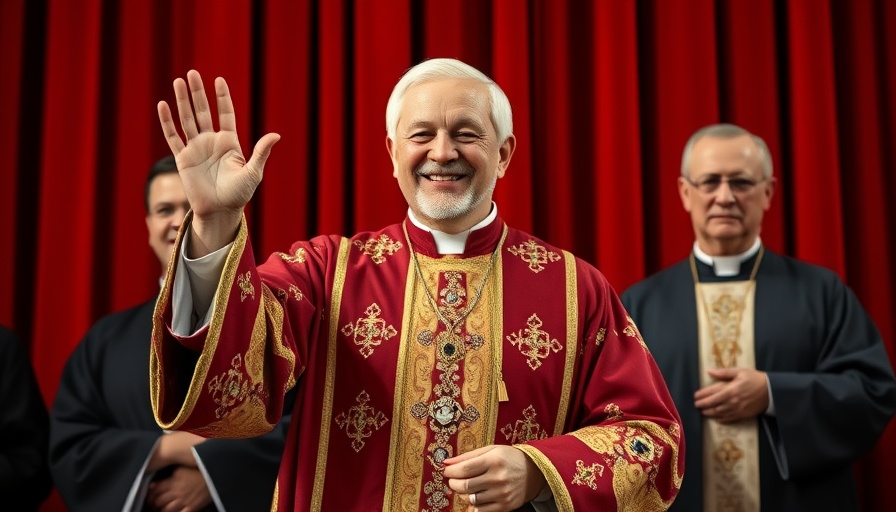
Clerical figure waving on balcony, Evangelicals view the first US Pope.

Understanding the Impact of Pope Leo XIV on Evangelicals

The recent transition in the papacy with Pope Leo XIV raises significant curiosity about how Evangelicals perceive this new leadership. Historically, tensions between Evangelicals and the Catholic Church have existed due to differing beliefs and practices. However, as families looking to deepen their faith and intergenerational ties gather to reflect on their spiritual journey, understanding these changes can be critical for nurturing relations within their communities.

A Bridging Gap: Common Values between Evangelicals and Catholics

Despite doctrinal differences, both Evangelicals and Catholics share core beliefs centered around the importance of Jesus Christ, community, and service to others. This is especially relevant for families where these shared values can foster deeper connections. Celebrating the essence of faith and devotion opens avenues for richer discussions at family gatherings and church events.

Historical Context: The Journey of Evangelicals Perception of the Papacy

For decades, Evangelicals have viewed the papacy with a mix of skepticism and curiosity. Originating from the Reformation’s fallout, thoughts of the Catholic Church were often intertwined with messages of strict doctrine and authority. Yet, leaders like John Piper encourage dialogue that emphasizes unity over division. As Evangelicals engage with the new dynamics presented by leaders like Pope Leo XIV, there’s an inviting possibility that history may be rewritten—one that includes appreciation for faith traditions even amidst varying interpretations.

Future Predictions: What This Means for Family Dynamics

As families flounder between varying religious teachings, it is crucial to explore how the Catholic Church's evolving leadership could impact those pathways. Parents concerned about their children's spiritual formation may find meaningful conversations about faith with peers from different backgrounds transformative. The exchange of perspectives may not only enhance understanding but also solidify bonds within families, creating a shared mission to grow and learn together.

Counterarguments: Different Perspectives on Papal Influence

Nevertheless, there are contrasting views within the Evangelical community regarding papal influence. Some may argue that increased outreach to Catholics could lead to dilution of Evangelical principles. Yet, it’s important to weigh these views against the potential for increased collaboration on social issues such as poverty alleviation and family stability—issues that resonate deeply with faith-centered families.

Practical Insights for Families: Engaging with New Perspectives

As families, fostering interfaith dialogue can be enriching. Here are some practical insights to consider:

  • Encourage open discussions about faith, allowing each family member to share their thoughts and feelings about the Pope's influence.
  • Invite families from Catholic backgrounds into your gatherings to share experiences and lessons learned from their faith journeys.
  • Explore scripture together to identify themes of unity, love, and understanding across Christian denominations.

Lasting Benefits of Embracing Change

Engaging with the evolving nature of the Catholic Church and new leadership offers families opportunities to grow in faith. Embracing diverse perspectives not only strengthens family connections but also mirrors God's love and commitment to all His followers. As we foster understanding and compassion, we establish communities that reflect His kingdom on earth.

Call to Action: In light of the changing dynamics within the Christian community, take a moment to discuss how the new papacy impacts your family's faith journey. Engage in conversations that promote unity and understanding across traditions to cultivate a spirit of fellowship and insight within your family!

Family Fellowship
Facebook Twitter

20 Views

0 Comments

Write A Comment

*
*
Related Posts All Posts
01.28.2026

Loving Our Dead Neighbors: Why Preserving History Matters for Families

Update Love Thy Dead Neighbor: A Biblical Call to Community In a world where social connections seem to erode with each generation, the Bible calls Christians to Love their neighbor—including those who have long passed away. This intriguing idea can inspire families to preserve their local history and deepen their community ties through remembrance. The Importance of Preserving Local History By embracing the ethos of loving our dead neighbors, families can foster a community that values its history and traditions. This concept resonates deeply with Christian faith-centered families who understand the significance of legacy. Preserving the memories of those who've gone before us not only honors their contributions but also strengthens intergenerational bonds among family members. Engaging with the Past: A Modern Expectation As highlighted in Engaging Your Community: A Path to Preserve History Together, communities can come together to protect their shared heritage. This type of engagement promotes a sense of belonging among individuals, ensuring that stories of the past continue to inspire future generations. Whether through digitizing old newspapers or restoring family gravestones, the act of preservation can actively bind families and encourage collective responsibility. Intergenerational Learning: Sharing Memories and Lessons Communicating family histories and stories about deceased relatives experience a resurgence in importance as families navigate modern challenges. Families that prioritize sharing these narratives can build a stronger foundation for their children. Just as described by Mother Rose in Preserving Legacy Through Literacy: Uplifting Community Through Knowledge, sharing stories can empower youth and enhance their understanding of their roots. Building Community through Engagement One effective approach to solidifying community ties is by sponsoring local history projects. Community members can work together to digitize yearbooks and significant events—just as the Advantage Archives suggests. This collective endeavor not only preserves history but also encourages those involved to reflect on their identities and their connection to the past. Actionable Insights: Steps to Love Your Dead Neighbor Families interested in embracing this concept can take actionable steps: Record Oral Histories: Sit down with grandparents and older relatives to gather stories about their lives and experiences. Preserve Artifacts: Collect family memorabilia like letters, photographs, and heirlooms that showcase your family's history. Participate in Local History Events: Attend events hosted by local museums, schools, or churches that celebrate the legacy of your community. By actively engaging in these activities, families can cultivate a richer understanding of their heritage and foster connections with one another. Final Thoughts: A Call to Action As we reflect on our relationships with those who came before us, let us remember the biblical call to love all our neighbors. This includes our deceased loved ones and the community as a whole. Consider how your family can contribute to preserving history and nurturing connections—join local initiatives or start conversations about the importance of legacy. Let’s take action today to love our dead neighbor, ensuring that their stories live on in our hearts and homes.

01.27.2026

Navigating Pro-Life Challenges in Trump's Second Term: What Families Should Know

Update Shifting Tides for Pro-Lifers in Trump's Second Term As the political landscape continues to evolve, many pro-lifers find themselves reflecting on the implications of the first year of Trump's second term. Once seen as a beacon of hope, the past year has raised eyebrows and sparked a myriad of questions within faith-centered communities. The anticipation they had for significant pro-life legislation has turned into apprehension as they witness the complexities of governance and the dynamics that influence major policy decisions. The Unfolding Narrative: An Opportunity for Reflection In his first year, Trump faced not only political opposition but also a delicate societal landscape. The pro-life movement, which thrives on advocacy and public opinion, encountered challenges that highlighted the importance of unity within the community. As families gather around dinner tables discussing legislation, it's essential to engage in these dialogues with compassion, understanding that different perspectives can lead to meaningful conversations, rooted in biblical principles of love and unity. The Hyde Amendment Debate: A Crucial Point of Contention One of the pivotal issues this year has centered around the Hyde Amendment, which prohibits federal funding for abortion. Many in the pro-life community are concerned about the potential for its repeal, which could signify a significant setback. This debate isn't just political; it resonates deeply within family units that prioritize pro-life values. Understanding why the Hyde Amendment is critical and how its status can affect real lives is crucial for fostering informed discussions among families. Voices from the March for Life: A Call to Action The March for Life highlighted the resilience of the pro-life movement, even in the face of challenges. Participants came together, not just to advocate for legal change, but to reaffirm their commitment to the sanctity of life—from conception to natural death. For families present at these marches, there's an opportunity for intergenerational dialogue about faith, commitment, and what it means to stand for a cause. How can parents use moments like these to educate their children about their values? Engaging kids in discussions about the importance of life can strengthen family bonds and reinforce spiritual teachings. Future Trends: Where Do We Go From Here? Looking ahead, pro-lifers wonder what the future holds. The growing polarization surrounding abortion could create more division, but it also paves the way for new methods of advocacy that resonate with younger generations. For families, the challenge lies not only in standing firm in their beliefs but also in approaching these hard conversations with grace and empathy. Strategies that focus on education, community support, and legislative advocacy rooted in love will become essential as the movement moves forward. Conclusion: Embracing the Complexity of Advocacy As we consider the trajectory of the pro-life movement in Trump's second term, it’s essential to recognize that the journey is filled with complexities. Families must navigate these waters together, embracing dialogues that might be uncomfortable, but ultimately necessary for growth. Through biblical teachings and a commitment to love and understanding, the pro-life movement can continue to inspire hope and bring unity to families as they advocate for life.

01.26.2026

Authority as Responsibility: A Call for Family Leadership and Accountability

Update Understanding Authority and Responsibility Authority is often viewed as a privilege or power, but in a Christian context, it serves as a reminder of the profound responsibility that accompanies leadership. In families and communities, those in authority are called to embody integrity, transparency, and care for those they oversee. When we consider recent crises, from community shootings to societal unrest, it becomes increasingly clear that authority must be coupled with accountability and an unwavering commitment to justice and righteousness. The Vital Role of Accountability Accountability in leadership isn't merely about holding others responsible; it reflects a crucial aspect of how communities can effectively navigate crises. A leader’s commitment to accountability fosters trust, as demonstrated during times of adversity. When families are grounded in spiritual principles, such as those found in the scriptures, leaders have the opportunity to embody Christ-like qualities, guiding their families and wider communities towards healing and unity. For instance, in moments of distress, families often turn to their leaders for support. Whether it's a school shooting or communal discontent, leaders must offer direction and encourage open dialogue. This kind of support helps cultivate an environment where responsibility is shared, and everyone feels valued. Learning from Crises: Insights for Families Reflecting on real-life tragedies can teach invaluable lessons about authority and accountability. Families can leverage these experiences to instill resilience and responsibility in their children. By discussing incidents with a focus on lessons learned, parents can foster a deeper understanding of ethical behavior and the importance of community solidarity. For example, what can families learn from recent events about how to approach difficult discussions on safety and emotional support? The Path Forward: Embracing Responsibility Every individual has the potential to lead, regardless of their official title or position in the family or church. Adopting a mindset of responsibility means individuals must actively seek ways to contribute positively. This could be as simple as initiating conversations about mental health, volunteering in community outreach programs, or mentoring younger generations to make empowered choices. When families strive to embody these principles together, they are collectively navigating towards a more unified and caring environment. Conclusion: Actively Engaging as Faithful Leaders As effective leaders within our families and communities, the expectation to wield authority with grace and responsibility must resonate deeply within us. Each family should find practical ways to engage with their communities, rallying together around shared values, and responding to crises in ways that foster healing and understanding. It is through such active engagement that we exemplify the biblical teachings of accountability and responsibility. Take a moment to discuss within your family how you can each become better leaders in your spheres of influence. What steps can you take to demonstrate accountability in your actions? Encourage each other to embrace the authority that comes not just with the title, but with the commitment to serve and uplift those around you.

Terms of Service

Privacy Policy

Core Modal Title

Sorry, no results found

You Might Find These Articles Interesting

T
Please Check Your Email
We Will Be Following Up Shortly
*
*
*