Add Row
Add Element
cropper
update

Biblical Living Unlocked

Logo - Biblical living unlocked
update
Add Element
  • Home
  • Categories
    • Biblical Parenting
    • Parenting Tips
    • Family Fellowship
    • Bible Teaching
    • Apologetics
    • Community Stories
    • Youth Focus
    • International
    • Walton Evangelical Church
    • Salt Church Mar Menor
    • Salt Church Los Montesinos
    • John Piper
    • News & Offers
Add Element
  • Ken on Facebook
    update
  • update
  • update
  • update
  • update
  • update
  • update
March 21.2025
2 Minutes Read

Exploring Abortion Rights: A Balancing Act Between Morality and Law

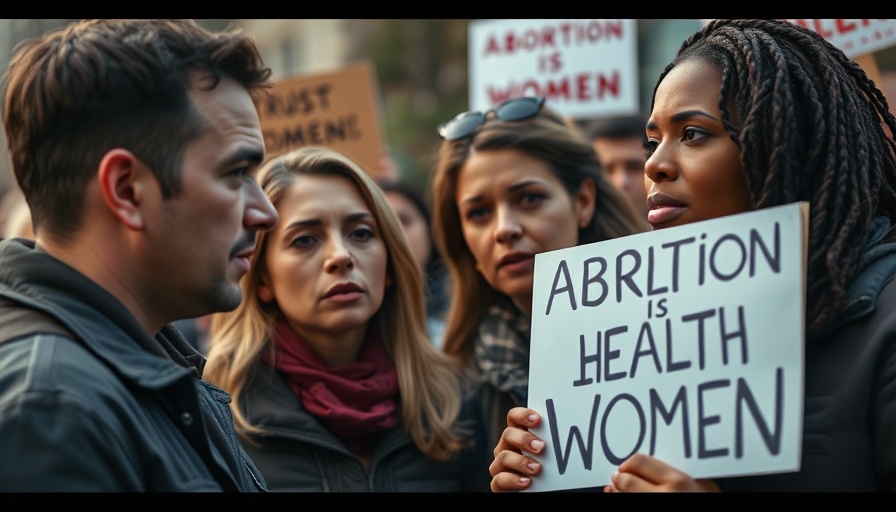
Abortion rights overview debate with protest signs

Understanding the Current Landscape of Abortion Rights

In recent years, abortion rights have ignited passionate debates across the globe, particularly in the United States. As laws evolve, it's essential to understand the multifaceted issues surrounding abortion—its implications for women's health, legal standards, and moral considerations. Many individuals and organizations, including those rooted in the Christian faith, interpret these issues through various lenses informed by scripture and personal beliefs. This article aims to explore the current state of abortion rights and the diverse perspectives surrounding it.

In The Battle Over Abortion Rights: Where We Stand Today, the conversation dives into the complexities of abortion legislation, prompting a deeper analysis of its ethical, legal, and personal implications.

Moral and Ethical Implications of Abortion

The question of whether abortion is permissible often hinges on deeply held moral values. Within the Christian community, many argue that life begins at conception and thus see abortion as a moral violation against God's creation. Conversely, some acknowledge the complexities of women's rights and mental health considerations, nudging the conversation towards a more compassionate understanding of the difficult decisions women make.

The Role of Legislation in Shaping Abortion Rights

Legislation plays a crucial role in defining the accessibility of abortion. Various states have enacted laws that either restrict or protect abortion rights, leading to an uneven landscape across the nation. The overturning of Roe v. Wade has amplified these disparities, producing a patchwork of protections that not only impact women’s rights but also affect healthcare providers. Understanding these legislative trends is vital for anyone advocating for or against abortion rights.

Personal Stories: Voices from All Sides

To foster empathy and deeper understanding, it's essential to listen to the voices of those directly affected by abortion. Mothers, families, and healthcare professionals provide valuable insights into the emotional and social ramifications surrounding the decision to terminate a pregnancy. These real-life stories illustrate that each encounter with abortion is heavily contextual, shaped by life circumstances, health, and personal beliefs.

Engaging the Future: Building a Holistic Conversation

As we look toward the future, fostering open dialogue about abortion rights is essential. Engaging skeptics, seekers, and believers alike can help to bridge the gap between polarized opinions. It's crucial for church leaders and ministry workers to facilitate these discussions in ways that honor differing perspectives while maintaining a commitment to both compassion and truth.

The Importance of Informed Choices

Finally, empowering individuals to make informed choices is crucial in this evolving landscape. Education about reproductive health, understanding the implications of legislation, and the resources available for women are all essential components of an informed discussion. By equipping people with knowledge and understanding, we can advocate for responsible decision-making that respects life and personal circumstances.

Engaging in robust discussions about abortion rights encourages us to confront our beliefs, re-evaluate our positions, and strive to find common ground. We invite you to reflect on these complex issues and consider how you might contribute to a compassionate dialogue.

Apologetics

25 Views

0 Comments

Write A Comment

*
*
Related Posts All Posts
03.04.2026

Unmasking Deception: How to Recognize a False Prophet Today

Update Understanding the Face Behind the Manipulation The discussion presented in The Fakest Prophet: Drugs, Women, and Terror delves into the murky world of false prophets and the devastating impact they can have on faith communities. Many unsuspecting believers fall prey to charismatic leaders who twist scripture to suit their agenda, often leading to societal harm and personal chaos.In The Fakest Prophet: Drugs, Women, and Terror, the discussion dives into the critical issue of false prophets, exploring key insights that sparked deeper analysis on our end. The Historical Context of False Prophets Throughout history, religious movements have experienced the rise and fall of leaders who position themselves as prophets. In biblical texts, we see warnings against such individuals, like the prophets in Jeremiah who ‘prophesy lies’ and lead people away from God’s truth (Jeremiah 14:14). Grounding our understanding of these figures in the context of the early church illuminates patterns that persist today, revealing that the struggle against deceitful leadership is not a modern phenomenon. The Modern Face of False Prophets: A Case Study The video paints a portrait of a contemporary figure who engages in practices that undermine pastoral integrity. By examining these actions through a scriptural lens, believers can discern the true nature of leadership roles that coincide with contemporary issues—drugs, sexual immorality, and exploitation. This case illustrates how the misuse of authority can thrive in environments that prioritize charisma over character. Why This Matters: The Impact on Community and The Church The rise of false prophets is more than a theological discussion; it touches the fabric of communities. When trust is breached, congregations can splinter. Conversely, a strong, biblically-based understanding of leadership can promote unity and spiritual growth. Regular congregants must actively engage in understanding scriptural truths to safeguard against manipulation. Resources such as community Bible studies and youth discussions enhance collective discernment. Future Trends: How Will the Church Respond? With growing skepticism towards religious institutions, the church has an opportunity to engage in meaningful dialogues about authenticity and accountability. As the church transitions to a more discerning body, it can prepare itself to recognize trends of falsehood and manipulation. Educational programs focusing on biblical literacy and spiritual discernment can be a proactive way to combat the influence of false prophets. Practical Insights for Youth and Families When considering the attributes of a healthy church, families should prioritize core values in their congregations that mirror biblical teaching. Engaging youth through mentorship programs exemplifies how faith ought to be modeled in practical, everyday contexts. When young people see the principles of integrity reflected in their church leadership, they are more likely to develop a robust faith grounded in truth. Faith Conversations: Encouraging Open Dialogue In light of the issues raised in The Fakest Prophet: Drugs, Women, and Terror, it's essential for congregations to foster environments where questioning is encouraged. Empowering congregants to seek answers to difficult questions can lead to stronger, more resilient faith communities. Church leaders should invest time in teaching members how to analyze spiritual claims critically and thoughtfully, encouraging a culture of biblical inquiry. Conclusion and Call to Action In essence, the examination of false prophets reveals the need for vigilance within our faith communities. Through biblical study, open dialogue, and educational engagement, we can protect ourselves and others from the dangers of manipulation. As you reflect on these themes, consider praying for discernment, actively participating in church life, and examining the teachings you encounter with a critical yet open heart. Engage with your church leadership and join Bible study groups that challenge and enrich your spiritual understanding.

03.04.2026

How Did Christianity Abolish Slavery Twice: Lessons for Today

Update Analyzing the Role of Christianity in the Abolition of Slavery In the thought-provoking video, Did Christianity Abolish Slavery Twice?, the narrative delves deep into the pivotal role Christianity has played in the historical context of slavery. From ancient times to the modern era, certain Christian teachings have sparked movements against slavery, shaping moral perspectives and societal structures. This exposition is essential for anyone seeking a deeper understanding of not only history but also the theological principles that have driven social change.In Did Christianity Abolish Slavery Twice?, the discussion dives into Christianity's historical impact on slavery, exploring key insights that sparked deeper analysis on our end. The Historical Context of Slavery and Abolition The idea of slavery is woven throughout history, not just in biblical times but also in more modern expressions. The video highlights two significant periods where Christianity visibly contributed to the abolition of slavery. The first can be traced back to the early Christians who, influenced by the teachings of Jesus regarding the inherent worth of every individual, began questioning the moral legitimacy of slavery. This was a significant step, sparking dialogues about human dignity and rights. Fast forward to the 18th century, when key Christian figures like William Wilberforce in England led the charge against the transatlantic slave trade. Wilberforce's faith was a driving force in his activism, demonstrating how strong belief can lead to positive societal changes. His resolve to end slavery was a direct reflection of his Christian values, stirring public consciousness and infusing the abolition movement with spiritual convictions. Social Connections and the Value of Christian Teachings Understanding the implications of these historical movements provides valuable insights into how faith can influence society. Many believers today are often puzzled by the presence of slavery in biblical texts. Still, deep theological principles highlight that God’s overarching narrative aims toward liberation and justice. This context allows believers to navigate their faith with an understanding that emphasizes freedom rather than oppression. Modern Implications: How Faith Influences Social Justice Currently, the Christian faith still plays a pivotal role in social justice movements. The video encourages viewers to draw parallels between past and present, asking whether the teachings that inspired abolition still resonate in today's fight against modern slavery and human trafficking. Today's church leaders and ministry workers are called to revisit these lessons, providing insights on how faith can once again be a catalyst for change. Counterarguments and Diverse Perspectives While many advocate for the church's role in abolishing slavery, perspectives vary. Some argue that the institution of the church itself has perpetuated oppressions at various times in history. Recognizing these counterarguments is crucial for a balanced discussion. Acknowledging historical missteps allows for a more profound understanding of how religion should be a force for good, swiftly addressing potential failings. Emotional and Human Interest Angles For many modern Christians, slavery—be it historical or contemporary—holds a personal significance. With stories of real individuals who suffered under horrific conditions, the call to action becomes clearer. Families, educators, and youth today can grasp the emotional weight of these narratives, engaging in advocacy work that echoes historical abolitionists who were fueled by their faith in Jesus. Practical Insights for Today's Believers How can today's believers act on this knowledge? Understanding that they are part of a historical continuum can inspire modern Christians to engage in service, outreach, and charity towards those in local communities facing economic or human rights struggles. Encouraging participation in advocacy organizations and support groups that combat human trafficking can link everyday faith with tangible results. Conclusion: Looking Forward As we reflect on the contributions of Christianity in abolishing slavery, both in the past and present, there is a strong call for like-minded individuals to unite against modern forms of oppression. The video’s exploration of these themes provides not only a historical lens but also a prophetic vision for the future of faith-driven activism. Let us ask ourselves: What more can we do to uphold the teachings that promote freedom, justice, and love? Taking concrete steps based on this knowledge is vital—not only for personal growth but for the welfare of society. If you have been inspired by this exploration into how Christianity shaped abolitionist movements, consider joining local initiatives or educational programs designed to combat modern slavery. Your commitment can continue the cycle of liberation initiated by those before us. Embrace this call to action and contribute to a future grounded in faith and ethical responsibility.

03.03.2026

Understanding the Significance of Ayatollah Khamenei's Death

Update The Impact of Ayatollah Khamenei's Death on Global Politics In many ways, the death of Iran’s Supreme Leader Ayatollah Ali Khamenei marks a significant turning point not just for Iran, but for the entire geopolitical landscape. For decades, Khamenei has been a central figure in shaping Iran's domestic and foreign policies, propagating a staunchly anti-Western stance that has affected the security posture in the Middle East. This event is pivotal in redefining the balance of power in the region, and its implications are likely to be felt worldwide.In 'Ayatollah Khamenei Is Dead: Why It's Bigger Than Anyone Realizes', the discussion dives into the extensive repercussions of Khamenei's passing, exploring key insights that sparked deeper analysis on our end. What This Means for Iran’s Future Leadership Following Khamenei's passing, questions abound about who will fill the void left by his absence. His leadership style and policies have left a strong legacy, but they have also created divisions within the various factions of Iranian politics. The expectation is that a power struggle may ensue among the hardliners and reformists, with each group vying to assert its vision for Iran's future. This uncertainty could lead to chaotic shifts in internal politics, potentially affecting Iran’s approach to key issues such as nuclear negotiations and relations with the West. Understanding the Broader Regional Implications The implications of Khamenei's death extend well beyond Iran. Neighboring countries closely observing the situation may see a window of opportunity. For instance, nations like Saudi Arabia and Israel, who have historically been on opposing sides of Iran’s aggressive posturing, might recalibrate their strategies. A new leadership in Iran could either signal a more conciliatory approach or, conversely, a more aggressive stance against its rivals, depending on who emerges victorious in the power struggle. The Historical Context: A Legacy of Conflict and Tension Khamenei's promotion of the Islamic Revolutionary Guards Corps (IRGC) and their expansive role in regional conflicts has left an indelible mark on Middle Eastern geopolitics. The IRGC has been instrumental in supporting groups like Hezbollah in Lebanon and various militias in Iraq and Syria, thereby expanding Iran’s influence. Understanding this historical context helps delineate what might happen next. The haunting specter of a power vacuum could lead to escalated conflicts, both within Iran and with its neighbors. Cultural Reactions Within Iran: Public Response and Future Prospects The Iranian public’s reaction to Khamenei’s death will be mixed, reflective of the polarized nature of Iranian society. While some may mourn the loss of their Supreme Leader, many younger Iranians are disillusioned with the regime, seeking change and democratic reform. This generational divide could provide fertile ground for social movements to flourish. Analysts are observing these cultural shifts closely, as public protests could emerge, potentially igniting a new wave of civil activism. Global Reactions: What Do Other Nations Think? The global community is also abuzz with speculation regarding Khamenei's successor. Nations worldwide, from the United States to European powers, are analyzing potential candidates and their possible directions. A moderate leader may open doors for renewed diplomacy, while an extremist may lead to increased sanctions and isolation. In this context, Western diplomats must tread carefully, balancing regional security interests with the need for diplomatic openings. Future Predictions: What Lies Ahead? In looking to the future, it’s essential to consider that Khamenei's death marks not an end, but a new chapter filled with uncertainties and potential transformations. Will Iran's next leader be an uncompromising hardliner or a reformist willing to engage with the world? Predictions will vary, but analysts agree that the power dynamics in Iran, and consequently in the Middle East, are poised for change. The international community must remain vigilant, ready to adapt to whatever direction Iran’s political winds may blow. This exploration into the significance of Ayatollah Khamenei's death underscores the vast implications beyond national boundaries, engaging believers, skeptics, and everyone in between. The need for reflection during times of political upheaval is critical. It surfaces essential discussions about leadership, faith, and the pursuit of justice and peace in a complicated world.

Terms of Service

Privacy Policy

Core Modal Title

Sorry, no results found

You Might Find These Articles Interesting

T
Please Check Your Email
We Will Be Following Up Shortly
*
*
*