cropper
update

Biblical Living Unlocked

Logo - Biblical living unlocked
update
  • Home
  • Categories
    • Biblical Parenting
    • Parenting Tips
    • Family Fellowship
    • Bible Teaching
    • Apologetics
    • Community Stories
    • Youth Focus
    • International
    • Walton Evangelical Church
    • Salt Church Mar Menor
    • Salt Church Los Montesinos
    • John Piper
    • News & Offers
  • Ken on Facebook
    update
  • update
  • update
  • update
  • update
  • update
  • update
May 07.2025
3 Minutes Read

Examining the Trump-Houthi Deal: Alarming Tensions for Israel and Beyond

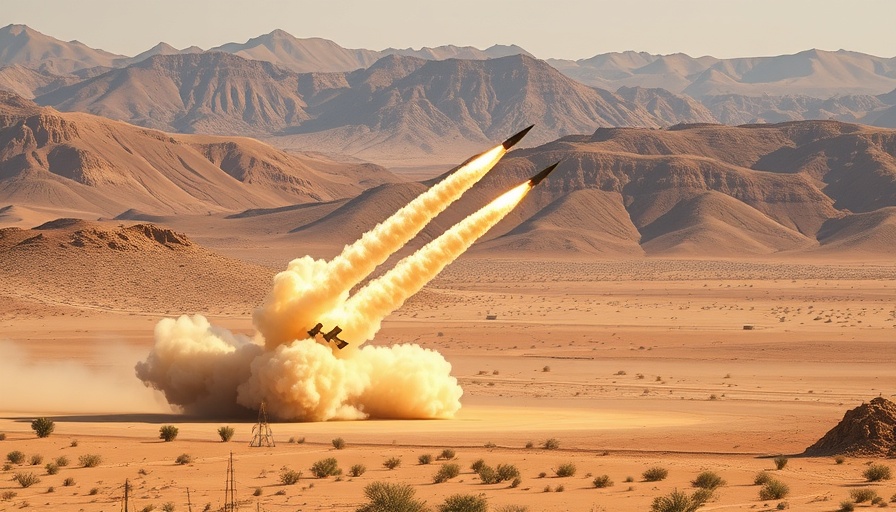
Missile launch in desert landscape under blue sky.

Understanding the Trump-Houthi Deal: What It Means for Israel

The recent announcement of an agreement between former President Donald Trump and the Houthi rebels has sent ripples through Washington and beyond, particularly in Israel. As the Yemeni rebels reportedly enhance their missile production capabilities, this development raises alarm. For Israel, which is deeply concerned about Iran’s influence across the Middle East, such a deal during crucial negotiations with Iran appears to be 'very bad news.'

The Broader Context of Israeli Security

Israel's security concerns extend beyond its borders, connecting to the complex web of relationships between the US, Iran, and regional actors like the Houthis. Exodus from Yemen adds another layer of difficulty, especially since Iranian support for Houthi militancy can enable attacks that directly threaten Israel. The recent Houthi engagements, including threats near the Israeli border, underscore the precariousness of resource allocations and military strategies Israel may need to employ.

A Shift in US Foreign Policy: Implications for Israel

The shift in US foreign policy with Trump’s leadership not only affects Israel's defense landscape but could also embolden Houthi forces to act with more aggression. Observers note that every new agreement—particularly one that appears to legitimize or support groups like the Houthis—opens the door for potential escalation. This could complicate Israel's ongoing efforts to ensure peace and stability in a region rife with tension.

The Iran Connection: Navigating Tension and Negotiation

The current negotiations with Iran around its nuclear program are of utmost importance to Israel. With the Houthis as proxies for Iranian influence, any agreement that strengthens the Houthis can exacerbate Israeli fears regarding Iranian military enhancements. This complex interrelation raises a crucial concern about the efficacy of diplomatic strategies and how they impact Israel’s defense strategies and overall regional stability.

Perspectives from Culturally Engaged Christian Leaders

Among faithful Christians concerned about religious freedoms, the implications of the Trump-Houthi deal are profound. There is a feeling that increased conflict could further endanger persecuted populations, especially in war-torn areas like Yemen and, by extension, regions influenced by Houthi dynamics. Culturally engaged Christian leaders advocate for a focus not just on political outcomes but also on humanitarian repercussions for the local populations impacted by such geopolitical maneuvers.

Striving for Interfaith Dialogue Amidst Chaos

Amidst the turmoil that surrounds this policy shift, there lies an opportunity for interfaith dialogue and understanding. Engaging across religious and cultural divides is crucial, especially in the context of global conflicts that often bear little respect for spiritual communities. Through such dialogue, Christians and leaders of other faith traditions can advocate for peace, justice, and humanitarian needs, reminding us that at the heart of these geopolitical issues are real people facing immense challenges.

Call to Action: Engaging in Advocacy for Peace

As ongoing tensions threaten the fragile balance in the Middle East, now is the time for concerned individuals to engage in advocacy. Whether through heard discussions, prayers, or organizing humanitarian assistance, your involvement can make a difference. Understanding these dynamics allows you to advocate effectively for peace and support initiatives that foster interfaith dialogue and provide relief to those suffering in conflict zones.

In conclusion, the Trump-Houthi agreement stands as a significant pivot point, particularly for Israel and regional allies. Understanding its implications and fostering peaceful dialogue remains crucial in these turbulent times.

International

35 Views

0 Comments

Write A Comment

*
*
Please complete the captcha to submit your comment.
Related Posts All Posts
05.23.2026

How Islamic Sectarianism is Shaping the Future of Politics from Below

Update The Subtle Shift: How Sectarianism is Influencing Politics In recent years, the political landscape of various nations has seen significant changes, particularly with the rise of Islamic sectarianism. This focus on sectarian identities is not only reshaping political parties and their agendas but also significantly altering the dynamics of community engagement and alliances. This trend, while complex, is paving the way for new conversations about faith, politics, and identity. The Rise of Political Islam: What’s Behind the Shift? As we have seen with the recent elections in England, parties like Labour are facing challenges as Islamic political identities gain prominence within communities. Research indicates that groups like The Muslim Vote are orchestrating long-term strategies aimed at changing the political map. They have a well-defined agenda that seeks to position Muslims as prominent entities in local governance. This is not simply about elections but a concerted effort towards Islamization from the grassroots level. Connecting Faith and Political Power: A New Dynamic This new alliance between certain Islamic groups and political parties showcases an interesting blend of faith-based voting behavior. The appeal of political Islam intertwines with the broader narrative of green politics, as seen in the UK, where some sectarian leaders are aligning with parties that champion specific social issues, creating coalitions that have profound implications. The Green Party's focus on environmental issues resonates with many communities, providing a platform that some Islamic leaders see as a means to enhance their political standing and societal influence. Historical Context: The Evolution of Sectarianism in Politics Historically, sectarian tensions were more pronounced in regions like the Middle East, where conflicts often erupted along religious lines. However, the factors driving these tensions have evolved. They are no longer limited to geographical boundaries but have expanded to affect political landscapes globally, with institutions and communities deeply influenced by sectarian identities. The Intersection Between Political Strategies and Religious Identity As sectarian groups become more organized, their political strategies often reflect a return to cultural and religious identities that resonate with their constituencies. This alignment of religious identity with political strategy has implications not only for theological discussions but also for how communities advocate for rights, resources, and representation in governance. Looking Ahead: The Future of Sectarian Politics As we observe these changes unfold, it is crucial to consider what they mean for the future. Will these alliances transform community values and alter long-standing political customs? The direction of these changes could either lead to further polarization or foster new dialogues among diverse communities. The Power of Dialogue: A Catalyst for Change In understanding these dynamics, interfaith dialogue remains essential. Engaging with various perspectives—Christian, Muslim, and beyond—will be fundamental in nurturing a society where different sects can coexist peacefully. By emphasizing the hope of Jesus Christ, protecting life, and promoting family values, communities can work together towards healing divisions created by sectarian politics. In a world that often promotes division, the narrative of unity through dialogue and respect can be a force for positive change. It’s essential to engage in open discussions that foster greater understanding and collaboration.

05.21.2026

Why Kidnapping Children in Nigeria Should Concern All Mission-Minded Individuals

Update Understanding the Crisis: Violence in Nigeria's Heartland The recent wave of violence in Nigeria, where children are kidnapped and captives are executed, has left many communities in anguish. The armed group Boko Haram continues to wage a campaign of terror, particularly in the northeastern regions. Since its emergence in 2009, Boko Haram has not only targeted adults but has increasingly directed its violence toward the most vulnerable - children. A Growing Epidemic: The Reality of Kidnappings As reported, over recent years thousands have been killed and countless more displaced by widespread criminal activity and armed conflict. In many regions of north-central Nigeria, families live in fear of kidnapping for ransom, a brutal practice that leaves scars not only on parents but on children who should be focused on education and play. For many Nigerian families, the thought that their children could be snatched away from their homes at any moment is a painful reality. Climate Change and Conflict: Unlikely Bedfellows Not only are these violent acts driven by extremist ideologies, but they are exacerbated by environmental factors as well. Competition for land resources due to climate change-induced desertification strains relations between farmers and herders. This struggle often erupts into violence, endangering not just adults, but also the future of children caught in the midst of chaos. Impact on Education: The Children’s Future at Stake The linkage between violence and education disruption in Nigeria cannot be underestimated. A staggering 66% of the children who do not attend school are from the north-eastern and north-western parts of the country. Schools, once sanctuaries of learning, are now seen as threats, leading to their closure in places like Plateau State. Children like 13-year-old Nimun, who have seen their educational opportunities dissolve, are left fearful, yet resilient, yearning for a return to normalcy. Advocates for Change: The Role of the Global Community As socially conscious individuals, it is essential to recognize the impact of these events, not just in Nigeria but globally. Activism and support for the persecuted church can make a difference. Individuals and organizations have the power to amplify these voices, educate others on the challenges faced by these communities, and work towards policy changes that can provide the necessary support and protection for children and families in these vulnerable regions. In conclusion, it is imperative that mission-minded individuals, humanitarian-focused Christians, and social justice advocates not only pray for those suffering in Nigeria but actively engage in efforts to make this crisis known. We must ask ourselves: what can we do to stand with these children and families? Let us take action

05.20.2026

The Ongoing Crisis: Churches Under Attack by Extremists in Congo

Update The Deadly Assault on Worship: Understanding Persecution in Congo In a horrifying incident that unfolded in the northeastern town of Komanda, Democratic Republic of Congo, worshippers were brutally attacked during a nighttime church gathering, resulting in the loss of more than 40 lives, including children. This incident not only highlights the growing peril faced by vulnerable communities in DRC but also underlines the urgent need for international awareness and action regarding religious persecution worldwide. A Grim Reflection of Ongoing Violence The Allied Democratic Forces (ADF), an armed militant group rooted in Uganda but virulently active in eastern Congo, has claimed responsibility for this shocking attack. Their assault on the Catholic church occurred around 1 a.m. as members of the community were gathered for worship. As reported by Human Rights Watch, the attack was characterized by incomprehensible brutality—ADF fighters used machetes and guns to indiscriminately murder civilians, signaling a stark violation of human rights and a direct assault on the sanctity of religious life. Just a few months prior, data indicated a shift in violence levels in the region; however, this latest incident has dashed hopes for peace. Reports reveal that in addition to the deaths, approximately nine children were abducted, leaving families in mourning and uncertainty. The inability of the Congolese military and the United Nations peacekeeping forces to intervene timely during the attack raises critical questions regarding efficacy and preparedness in safeguarding civilian lives. The International Community's Responsibility The international response has been one of condemnation, with human rights advocates urging immediate corrective measures. Congolese President Félix Tshisekedi has been urged to enhance military oversight and ensure the protection of civilians in the volatile eastern provinces. The African Union and UN Security Council must also take decisive steps to develop a robust strategy aimed at addressing the grave rights abuses evident within this context. This situation is a call to action, especially for those within the faith community. Understanding the realities faced by Christians and other minority faiths in vulnerable regions—like eastern Congo—can inform advocacy and support initiatives that aim to provide aid and relief. Communities are emerging and rallying globally, intent on standing in solidarity with their persecuted brothers and sisters who continue to practice their faith under threat. Historical Context: Persecution in the DRC The DRC has long been plagued by violence, not just from groups like the ADF but also due to systemic societal breakdowns resulting from years of conflict. Eastern Congo is home to numerous armed factions, driven often by control over valuable resources, creating a volatile environment for civilians. This environment makes houses of worship highly vulnerable to such assaults, as the recent attack has exemplified. For those engaging with these issues, realizing the history of violence reinforces the necessity for a nuanced understanding of how political, economic, and social factors intertwine. The historical tapestry of such violence forms a crucial backdrop for development efforts and engenders compassion as the global church rallies to support congregations under siege. Next Steps: Engaging with Persecuted Communities What can the mission-minded individuals and social justice advocates do? First, raising awareness about the realities of persecution can lead to informed actions that apply pressure on governments and organizations to protect vulnerable populations. Furthermore, partnering with established humanitarian organizations that focus on crisis response can amplify efforts to provide immediate relief in affected areas. Through prayer, donations, and advocacy, believers can provide tangible support and hope to those who are suffering. Every action taken at the grassroots level can contribute to a broader movement aiming to alert the world to the grave injustices faced by worshippers in Congo and beyond. Conclusion: Standing Together Against Injustice The tragedy at the church in Komanda serves as a painful reminder of the ongoing threat to religious freedom globally. It calls on individuals and communities of faith—particularly those with the means and connections—to stand up and bear witness to the struggles faced by believers everywhere. The time is now to be a voice for the voiceless and to drive collective action toward justice and protection for all faiths in peril. As we contemplate our responses, be reminded that raising awareness and taking concrete actions, such as supporting organizations dedicated to the protection and empowerment of persecuted communities, can make a significant difference.

Terms of Service

Privacy Policy

Core Modal Title

Sorry, no results found

You Might Find These Articles Interesting

T
Please Check Your Email
We Will Be Following Up Shortly
*
*
*