Add Row
Add Element
cropper
update

Biblical Living Unlocked

Logo - Biblical living unlocked
update
Add Element
  • Home
  • Categories
    • Biblical Parenting
    • Parenting Tips
    • Family Fellowship
    • Bible Teaching
    • Apologetics
    • Community Stories
    • Youth Focus
    • International
    • Walton Evangelical Church
    • Salt Church Mar Menor
    • Salt Church Los Montesinos
    • John Piper
    • News & Offers
Add Element
  • Ken on Facebook
    update
  • update
  • update
  • update
  • update
  • update
  • update
March 02.2025
3 Minutes Read

Espionage in Israel: Cash-Strapped Man Attempts to Sell Nuclear Secrets to Iran

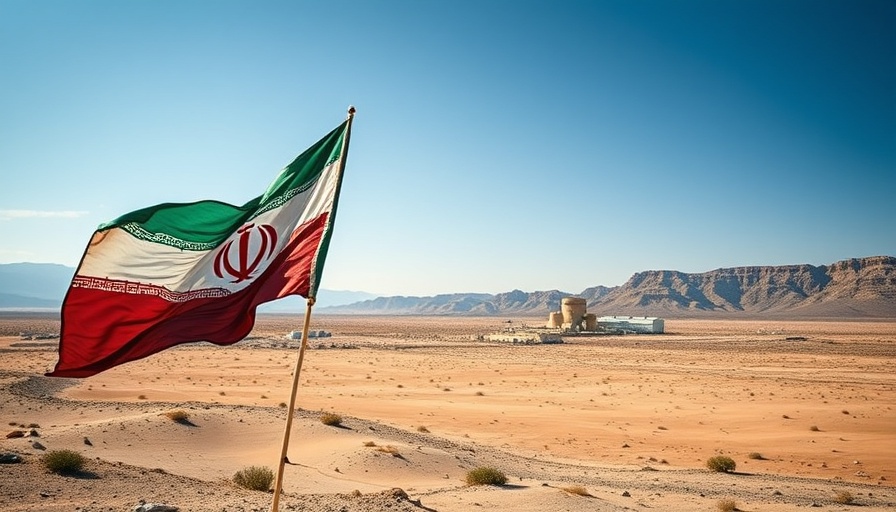
Iranian flag with desert nuclear facility backdrop, tension symbolism.

Intriguing Case of Betrayal: Israeli Charged with Espionage

In a striking incident of alleged treason, Doron Bokovza, a resident of Beersheba, Israel, has been indicted on charges related to espionage. The indictment comes after he was accused of attempting to sell sensitive information about Israel's nuclear program to agents believed to be connected to Iranian intelligence. This unsettling situation raises questions not only about security but also about the desperation that drives individuals to such extreme measures.

The Landscape of Espionage in the Middle East

Much like a chess game, the realm of espionage in the Middle East is complex and filled with intricate maneuvers. The incident involving Bokovza highlights a persistent threat to Israel’s national security. There is a growing concern over foreign agents attempting to exploit vulnerabilities within Israel's security infrastructure. This underscores the sensitive nature of the Negev Nuclear Research Center, widely perceived as the heart of Israel's nuclear capabilities, though officially unacknowledged.

Public Access vs. Secured Information

Further complexities arise from the fact that Bokovza allegedly provided not classified information but publicly available details about the nuclear facility, leading authorities to question how individuals can misinterpret their access to sensitive data. The investigation by Israeli police and the Shin Bet security agency reveals that while Bokovza did not have direct access to confidential information, his actions reflect a grave miscalculation that could have far-reaching implications.

The Human Element: Why Do People Betray?

The motivations behind such actions often stem from desperation. The pressures of financial instability can lead individuals to make unthinkable choices. Bokovza's case crashes into the hard realities many face— a dire desire for security or monetary gain that can easily lead to betrayal of one's own country. Such actions not only endanger national security but also hinder relationships within increasingly tense geopolitical conditions.

Lessons for the International Community

This incident serves as a wake-up call for not only Israel but for nations worldwide. It highlights the importance of safeguarding sensitive information and the potential risks from insider threats. Enhanced vigilance and public awareness about espionage tactics are crucial for building resilience against these threats. Integration of ethical education and community support systems may also proactively mitigate such risks before they manifest into dangerous actions.

What Can Individuals Do?

In light of such incidents, it is essential for communities to foster strong networks of support, awareness, and understanding about the motives behind espionage. Engaging in discussions about national security, ethics, and the significance of integrity in both personal and national realms can empower citizens to act responsibly and protect their nations. Additionally, for individuals concerned with religious and global stability, dialogues promoting peace and understanding are vital. Building bridges rather than walls can play a critical role in mitigating such dire threats in the future.

As we navigate these complex issues, it becomes essential to connect and share insights. Together, we can advocate for humanity, ensuring that understanding and compassion prevail over treachery. Join us in advocating for impactful change.

International

18 Views

0 Comments

Write A Comment

*
*
Related Posts All Posts
01.08.2026

Iran Protests Highlight Khamenei's Proxy War Strategy Amid Crisis

Update Protests Ignite in Iran Amid Economic Turmoil As the fire of dissent continues to blaze across Iran, citizens are protesting against the government’s oppressive regime and its costly foreign proxy wars. Sparked by economic hardships and a declining currency, these protests reveal deeper layers of discontent among the Iranian populace. Many of the demonstrators, young and old alike, are no longer just voicing their frustrations over economic issues; they are challenging the very existence of the Islamic Republic itself. From Economic Grievances to Political Demands Historically, protests in Iran have often been mischaracterized as solely economic riots, a label that fails to capture the more complex motivations behind them. Recent events illustrate that the discontent is not just about currency fears but reflects a broader demand for political freedom and an end to repression. "Not for Gaza, not for Lebanon, I give my life for Iran!" resonates in the streets as protesters reject government actions that allocate funds to foreign conflicts instead of resolving domestic crises. Khamenei's Use of Proxies to Reassert Control The Supreme Leader, Ali Khamenei, responds to these escalating protests with a dual strategy of violence and rhetoric. Losing his grip at home, he reaches out to proxies abroad, hoping to establish deterrence once more. The irony does not go unnoticed by protestors who question why military resources are directed toward fighting in distant lands rather than addressing domestic turmoil. Groups like Hezbollah and the Houthis serve as extensions of Iran’s ambitions, yet as unrest rises, these activities appear increasingly disconnected from the people's pressing needs. Unraveled Connections and Fractured Loyalties The current climate in Iran is a test of loyalty, not just for the citizen but for the ruling elite as well. Members of parliament and governmental leaders are pointing fingers at each other while failing to confront Khamenei’s central role in their economic and social failures. As internal factions erupt into open blame games, the public's patience wears thin, leading to further escalations in protests and violence. The fear and disillusionment are palpable, forcing allies and enemies alike to reconsider their affiliations within this unpredictable political landscape. International Response and the Future of Iran The U.S. has cautioned Iran on the streets, explicitly stating that the killing of unarmed protesters will not be tolerated. Various factions in the United States, from politicians to activists, rally behind the Iranian people, hoping for change that resembles more democratic principles and freedoms. However, calls for intervention must be met with caution, to avoid repeating the mistakes of previous foreign interventions. Hope Amid Despair: The Role of Faith Globally aware Christians and humanitarian advocates have the opportunity to intercede for the Iranian people during this tumultuous time. The struggles of the Iranian people may resonate intensely with those who understand the costs of religious persecution and the fight for rights around the world. Encouragement can be drawn from the resilience of those on the ground who are taking a stand against corrupt leadership and demanding a future where their voices are heard. Reflecting on Hope and Change With courage and determination, Iranians are collectively asserting their demands, and momentum is gaining. As the world watches and awaits the outcome, the call to action for supporters is clear: continue to raise awareness, advocate for the oppressed, and consider how global solidarity can play a role in the unfolding narrative of hope and desperation in Iran.

01.07.2026

Why Is Trump Focusing on Greenland, Cuba, and Others? A Closer Look

Update Understanding Trump's Foreign Policy Rethink In recent months, Donald Trump has wielded a spotlight on various countries, igniting curiosity about the rationale behind this shifting focus. From Greenland to Venezuela, the U.S. foreign policy landscape appears to be fluctuating, prompting critical questions among globally aware Christians and social justice advocates. The change has raised eyebrows, especially with statements from Trump and Secretary of State Marco Rubio intensifying speculation about U.S. intentions abroad. Geopolitical Game Changer: The Situation in Venezuela The turmoil surrounding Venezuelan President Nicolás Maduro represents a pivotal point in Trump's international agenda. The U.S. has undertaken military operations aimed at destabilizing Maduro's regime, an act framed within the broader war on drugs and perceived threats from drug trafficking networks linked to Cuba and Venezuela. This particular undertaking underscores the complexities faced by Christians advocating for humanitarian support in regions impacted by U.S. policies. Greeland: A Symbolic Target? Trump's interest in Greenland transcends simple geopolitical strategy. To many, Greenland's vast natural resources suggest a potential for economic gain via U.S. territorial expansion. Yet for mission-minded individuals concerned with humanitarian impacts, such interests raise ethical questions about sovereignty and the rights of indigenous peoples in affected regions. Is this merely economic ambition, or could it signify a deeper shift in how U.S. power is projected globally? Concerns Across the Hemisphere: Colombia and Mexico Tension with Colombia, arising from drug warfare and migratory pressures, further complicates the narrative. Trump's rhetoric has invocated a spirit of urgency; Rubio's caution towards the Cuban government specifically nuances the complexities of the U.S.'s historical links to these nations. For socially engaged believers, understanding the socio-political undercurrents is crucial in advocating for justice and humanitarian aid. Building Bridges During Troubling Times In an era where international affairs become increasingly intertwined with our daily lives, interfaith dialogue must take center stage. Globally aware Christians can play an essential role by advocating for policies that prioritize peace and humanitarian concerns over military might. Reflecting on the implications of U.S. foreign policy encourages communal responsibility in fostering global connections rooted in empathy and understanding. Future Directions: Predictions and Prospects As Trump’s administration navigates this volatile landscape, the future presents both opportunities and challenges for policymakers and advocates alike. The global impact of foreign engagements will depend not only on military outcomes but also on the willingness of churches and interfaith organizations to respond effectively to crises faced within these regions. For communities that value social justice, now more than ever, advocacy will hinge on bridging understanding among diverse groups and nations. In summary, the evolved narrative of U.S. foreign policy under Trump raises crucial reflections for globally aware Christians. As political landscapes shift, the importance of advocating for justice and humanitarian rights in tandem with theological considerations remains paramount.

01.07.2026

Foiling Terror: New Year's Eve Attack on Church in Syria Uncovered

Update Understanding the Risks: Foiled Attack on New Year's Eve A troubling incident occurred on New Year’s Eve in Aleppo, Syria, when security forces intercepted a man suspected of plotting an attack on a local church. This foiled plot came amidst heightened fears within Syria's Christian community, which has faced significant threats and violence in recent years. The suspect opened fire and detonated a bomb belt, tragically resulting in the death of a soldier and injury to two officers. With reports linking this individual to the Islamic State (IS), the incident underscores the ongoing volatility of religious tensions in the region. The Impact of the Islamic State's Presence Although the Islamic State no longer controls vast territories in Syria, its influence remains felt through cells still active in various regions. Intelligence experts have suggested that IS was preparing attacks to coincide with New Year celebrations, specifically targeting churches and public gatherings. As reported by the Syrian Interior Ministry, security measures have been dramatically enhanced in the wake of previous attacks, including a tragic suicide bombing at a church in Damascus last summer that killed 25 people. A History of Persecution: Historical Context Christianity in Syria is among the world's oldest, yet the current situation poses severe challenges to this community. A significant part of Syria's Christian population has fled due to escalating violence, especially after the onset of the civil war in 2011. Historical massacres, such as the 1860 Damascus Massacre, echo in the memories of today’s believers. The recent bombing in Damascus serves as a painful reminder that the Christian community remains vulnerable to violence and persecution. Faith Under Threat: Perspectives from the Ground The fear surrounding these incidents is palpable among Syrian Christians. Church leaders have openly expressed their concerns for the safety of congregants, warning that the atmosphere of mistrust and apprehension grows with each attack. Reports echo sentiments that many Christians are apprehensive about their futures, living in constant worry that their places of worship may become targets once again. This highlights the importance of international support and awareness for their plight. Security Measures: How the Government is Responding Following the foiled attack in Aleppo, Syrian authorities have implemented stricter security protocols around places of worship. Increased vigilance includes deploying security forces around churches and setting up checkpoints to protect civilian gatherings. However, there remains skepticism about the effectiveness of these measures, particularly from rights advocates questioning how the current administration can guarantee the safety of its minority Christian population. The Path Forward: A Call for Prayer and Action As we reflect on these events, it is crucial for mission-minded individuals and supporters of religious liberty to engage in prayer and advocacy on behalf of Syrian Christians. The calls for prayers emphasize not only the victims but also for peace and protection for all believers facing persecution. Additionally, there is an ongoing opportunity to raise awareness with local representatives about the unique challenges Christians face in Syria and advocate for broader solutions to ensure their safety. For those who feel compelled to act, consider reaching out to your MP to discuss the persecution of Christians worldwide and potential policy responses that could offer support to communities like those in Syria. By doing so, your voice can help drive meaningful change that ensures freedom of worship and safety for all.

Terms of Service

Privacy Policy

Core Modal Title

Sorry, no results found

You Might Find These Articles Interesting

T
Please Check Your Email
We Will Be Following Up Shortly
*
*
*