Add Row
Add Element
cropper
update

Biblical Living Unlocked

Logo - Biblical living unlocked
update
Add Element
  • Home
  • Categories
    • Biblical Parenting
    • Parenting Tips
    • Family Fellowship
    • Bible Teaching
    • Apologetics
    • Community Stories
    • Youth Focus
    • International
    • Walton Evangelical Church
    • Salt Church Mar Menor
    • Salt Church Los Montesinos
    • John Piper
    • News & Offers
Add Element
  • Ken on Facebook
    update
  • update
  • update
  • update
  • update
  • update
  • update
September 08.2025
3 Minutes Read

Earthquake Devastation in Afghanistan: Over 1,400 Victims, Underlying Christian Struggles

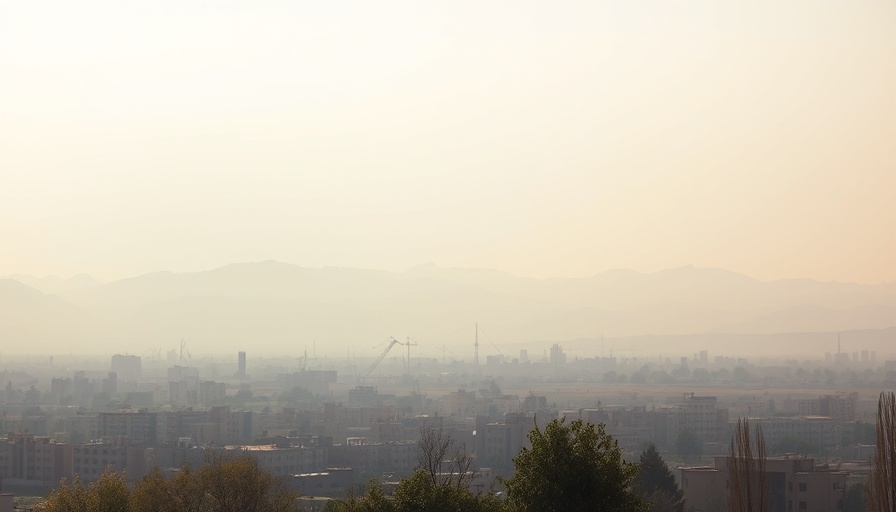
Kabul cityscape with dusty sky and distant mountains, Afghanistan earthquake impact.

The Devastating Impact of Earthquakes on Afghanistan's Vulnerable Communities

In the past few days, Afghanistan has been shaken by catastrophic earthquakes, resulting in a tragic loss of life and lasting devastation. The death toll has soared over 1,400 individuals while more than 3,000 people have been reported injured. This latest calamity occurred in the northeastern region, particularly near the Pakistan border in Kunar province, where densely populated areas have been severely impacted.

Understanding the Situation for Christians in Afghanistan

Of particular concern is how these earthquakes affect the Christian community, which has been forced underground due to increasing persecution. The exact number of Christians caught in this disaster remains unknown, adding another layer of fear and uncertainty to their already precarious situation. Reports suggest that around 5,500 homes have been damaged or destroyed, further complicating an already dire living condition marked by economic hardship and limited food supplies.

The Call for International Aid

Following the initial earthquake, the Taliban, which rules Afghanistan, appealed for international assistance in rescue operations. However, one must recognize that their governance remains tenuous, with Russia being one of the very few nations to officially acknowledge their authority. The reality on the ground is further complicated by severe weather conditions, including heavy rains and landslides that hinder access to remote areas where the most affected individuals are buried under collapsed buildings.

Rising Challenges from Subsequent Quakes

The situation deteriorated further when a second earthquake struck just days after the first, compounding the destruction and raising the urgency for humanitarian aid. This calamity marks the third significant earthquake in Afghanistan since 2021 and demonstrates a pattern of natural disasters afflicting a nation that is already struggling with immense social and economic challenges. The continuous aftershocks leave many citizens emotionally and psychologically traumatized, raising questions about the future stability of the region.

Local Perspectives and Encouragement Amid Despair

Despite the overwhelming adversity, the faith of the local Christian communities continues to shine through. Individuals like ‘Khada’ express that every prayer ignites a new flame of hope within them. Their endurance amid tragedy showcases their unwavering spirit and reliance on faith. One can understand why advocates continuously urge prayers for these communities, as expressed in Psalm 57:1: "Have mercy on me, my God, have mercy on me; for in you I take refuge…"

Supporting the Persecuted Church Through Action

As members of the global Christian community, we can respond to this crisis not merely through prayers but by exploring avenues for support. Organizations actively working on the ground need resources to deliver aid effectively. Engaging with these organizations can foster a sense of partnership, offering not just financial help but also advocacy for ongoing issues regarding freedom of religion and protection for the vulnerable.

Making a Difference in Afghan Lives

Moreover, the situation calls for awareness of how the international community can contribute to the relief efforts. Encouraging love, compassion, and understanding toward affected populations cultivates hope. It’s essential to maintain a spotlight on Afghanistan's challenges to keep the momentum for humanitarian aid alive. As we process this information, let’s remember that our actions and voices can make a substantial impact on the lives of those suffering.

Conclusion

Every effort to support the victims of these earthquakes not only highlights compassion but emphasizes humanity’s collective responsibility to stand with the marginalized. Although the situation may seem bleak, your involvement can create a ripple of hope—encouraging faith to flourish even in the darkest times. Please join others in prayer for the families impacted, the recovery efforts, and the enduring faith that blooms in the ashes of despair.

International

3 Views

0 Comments

Write A Comment

*
*
Related Posts All Posts
12.08.2025

Exploring Muslim Brotherhood Infiltration Strategy: A European Crisis

Update Unveiling the Muslim Brotherhood's Strategy in Europe The infiltration of European institutions by organizations linked to the Muslim Brotherhood has become a crucial topic of international discussion. Recent reports reveal that various groups are manipulating EU funding mechanisms, often without the public's knowledge, to promote ideologies that fundamentally oppose Western values. These groups are not only receiving financial support but are also actively engaging in lobbying to influence policy decisions at the highest levels. The Underlying Ideology: What Drives Infiltration? The overarching aim of the Muslim Brotherhood, founded in Egypt over a century ago, is to impose a governance system rooted in Islamic law. This goal poses a significant challenge to the secular foundations of many European nations, particularly in France, where the state is actively resisting such ideological incursions. Recent findings show that members of the Brotherhood and its affiliates have strategically infiltrated civil society through charities, educational institutions, and religious organizations, all while masquerading under the guise of combating discrimination. Influence Through Education: Redefining Youth Perspectives Muslim Brotherhood-linked organizations like the Forum of European Muslim Youth and Student Organizations (FEMYSO) have been accused of indoctrinating young people with texts that advocate for the superiority of Sharia law over secular laws. This form of ideological education not only seeks to reshape the religious identity of European Muslims but also aims to foster a broader acceptance of radical ideas. By embedding themselves within community structures, these organizations can present a compelling narrative that may resonate with impressionable youth. Responses from European Authorities: A Call for Action In light of these revelations, European leaders, particularly in France, are mounting a response to curb such infiltration. Calls for more stringent regulations on EU grants have been made, emphasizing the need for checks to prevent taxpayer money from inadvertently supporting Islamist entities. This political landscape showcases a growing divide, where right-wing parties argue for stricter immigration and integration policies, while left-leaning factions warn against potential Islamophobia and the erosion of multicultural values. Understanding the Broader Context: Religious Freedom and Secularism The ongoing struggle between religious freedom and secularism continues to be at the forefront of this issue. The French model of secularism, which aims to protect individual rights by maintaining a strict separation of religion from the state, faces immense pressure from the rise of organizations promoting religious dominance. This tug-of-war raises essential questions about the future of national identity and the place of Islam within European society. Bridging the Gap: Encouraging Interfaith Dialogue It is vital to recognize and foster productive conversations between communities to build a more cohesive society. While the threat of radical ideologies is real, creating avenues for dialogue can lead to understanding and respect among varied religious groups. Policymakers must prioritize community engagement initiatives, ensuring that the voices of moderate Muslims are heightened in the discussion surrounding Islam's role in modern Europe. Moving Forward: Where Do We Go from Here? As we witness these developments unfold, awareness and vigilance are key. It is essential for communities, especially faith-based groups, to engage in advocacy work that emphasizes not just the dangers posed by radical ideologies but also the importance of inclusion and mutual respect. Global Christians, particularly those aligned with the persecuted church, should be informed about these dynamics to effectively support and advocate for their brothers and sisters in faith facing challenges across Europe. In advocating for better-informed policies and fostering interfaith dialogue, we can build a future that respects diverse beliefs while upholding foundational democratic values.

12.06.2025

Is Trump Shifting to Phase B of the Gaza Plan Before Major Changes?

Update Trump's Gaza Peace Plan: A Critical Shift? Recently, reports have emerged that President Donald Trump is contemplating a shift to the second phase of his controversial Gaza peace plan before returning adviser Ran Gvili. This pivotal transition is set against the backdrop of a complex and often tumultuous relationship between Israel and Hamas, particularly as the two sides grapple with remnants of conflict that still linger in the form of deceased hostages. The administration is applying significant pressure, with Israeli Prime Minister Benjamin Netanyahu insisting that all deceased hostages must be returned before any further progress can occur. The Ceasefire and Its Implications The fragile ceasefire established between Hamas and Israel has marked a significant achievement during Trump’s current term. However, issues remain unresolved, including the return of deceased hostages and the full implementation of phase one of the peace plan, which is nearly complete. Reports indicate that the United States is keen to initiate the reconstruction of Gaza by March 2026, pushing for stabilization despite ongoing violence that includes Israeli strikes that have resulted in numerous casualties. Understanding the Shift to Phase B The transition to phase B in Trump's Gaza plan involves crucial elements such as the establishment of a new governance structure in Gaza, which is aimed at ensuring long-term peace and stability. This phase includes negotiations for the withdrawal of Israeli forces from parts of Gaza and the deployment of an international stabilization force (ISF) that would oversee the region’s security and governance alongside a technocratic Palestinian government. This plan reflects a broader effort to move away from military solutions and towards political and humanitarian frameworks, a consensus that includes multiple stakeholders in the region. The Role of Interfaith Dialogue Given the historical religious tensions in Gaza, the proposed second phase emphasizes the introduction of interfaith dialogue initiatives aimed at fostering mutual understanding and coexistence among Israelis and Palestinians. This aspect of the peace plan acknowledges the vital role that spiritual leaders and community advocates play in shaping narratives and mindsets that could ultimately lead to a more lasting peace. Challenges and Skepticism However, skepticism abounds regarding the feasibility of this plan. Major challenges exist, including Hamas's compliance with disarmament, the political dynamics within Israel, and regional reactions from other Arab states. Netanyahu's cautious approach reflects a broader hesitance amongst Israeli leaders, highlighting the difficulty in trusting commitments from groups like Hamas, which historically has demonstrated resistance to relinquishing control and adhering to peace agreements. The Path Forward As discussions continue, the international community watches closely. The prospect of a new governance model, combined with economic revitalization efforts, may offer hope for the beleaguered people of Gaza. Nonetheless, the successful implementation of the latter phases remains contingent upon addressing immediate humanitarian needs and establishing trust among the parties involved. If these challenges can be met, the trajectory for Gaza could shift from prolonged conflict towards a future where peace, prosperity, and goodwill thrive.

12.05.2025

The Crypto Scam Fooling Israelis: What You Need to Know

Update The Disturbing Crypto Scam Targeting Israelis Across the globe, stories of cryptocurrency scams dominate the headlines, but a troubling narrative has emerged in Israel that reveals the emotional toll of these fraudulent schemes. Driven by technology and societal advancements, scams that deceive even the most educated and savvy individuals are becoming alarmingly common. This has become evident as Attorney Tzabar Shoali reflects on the urgency to address these deceptions. Unlike traditional frauds, scams involving cryptocurrencies harness sophisticated social engineering tactics that leverage trust for financial gain. Understanding the Mechanics of the Scam What makes these scams particularly alluring is their ability to masquerade as legitimate investment opportunities. Victims often believe they are making sound financial decisions, sometimes even after they have conducted their own research. Unfortunately, once the transaction is complete, victims find that their funds have vanished into a digital abyss. Many criminals operate from untraceable wallets, making recovery attempts arduous. Attorney Shoali emphasizes that victims typically surrender too soon. Most funds can potentially be frozen, but the process is daunting. The Emotional and Social Implications The emotional fallout of falling victim to a scam is staggering. Victims often grapple with feelings of shame and confusion, especially when they consider that their intellect should have prevented such a mistake. This creates a broader societal issue where victims may hesitate to report scams, fearing judgment or a lack of empathy from others. The internet can foster a disconnect, placing trust in faceless strangers over established relationships. In this way, it challenges our innate human desire for connection and community. Lessons from a Broader Perspective While these scams affect individual victims, they indicate a systemic vulnerability. Some parallels can be drawn to events like the historical Ponzi schemes and insider trading scandals, which have resonated through time and across borders. The rampant growth of cryptocurrency and digital financial systems requires greater accountability and transparency, which brings forth a call to action for both investors and regulators. Future Predictions: How to Stay Informed As cryptocurrency continues to gain traction, understanding the landscape is essential to protecting oneself from becoming a victim. Experts warn that scams will only grow as technology evolves. Encouraging open discussions about digital financial literacy and spreading awareness of potential fraud is vital. With an informed populace, many could be spared the heartache of losing both money and trust. Empowerment Through Knowledge Engaging in community discussions about faith, finances, and safe investing can be beneficial. Faith communities can play a crucial role in offering support and practical knowledge to those navigating modern financial landscapes. In inspiring stories of overcoming adversity, we find resilience, reminding us that awareness and education are our best defenses against deception. The rise in these scams illustrates a pressing need for increased vigilance. So, the next time someone approaches you with an irresistible investment opportunity, remember to examine it closely, seek advice, and never hesitate to reach out for support. By doing so, we can help protect not only ourselves but also those around us.

Terms of Service

Privacy Policy

Core Modal Title

Sorry, no results found

You Might Find These Articles Interesting

T
Please Check Your Email
We Will Be Following Up Shortly
*
*
*