Add Row
Add Element
cropper
update

Biblical Living Unlocked

Logo - Biblical living unlocked
update
Add Element
  • Home
  • Categories
    • Biblical Parenting
    • Parenting Tips
    • Family Fellowship
    • Bible Teaching
    • Apologetics
    • Community Stories
    • Youth Focus
    • International
    • Walton Evangelical Church
    • Salt Church Mar Menor
    • Salt Church Los Montesinos
    • John Piper
    • News & Offers
Add Element
  • Ken on Facebook
    update
  • update
  • update
  • update
  • update
  • update
  • update
March 15.2025
3 Minutes Read

Discover the Power of Unity and Forgiveness from Genesis 33

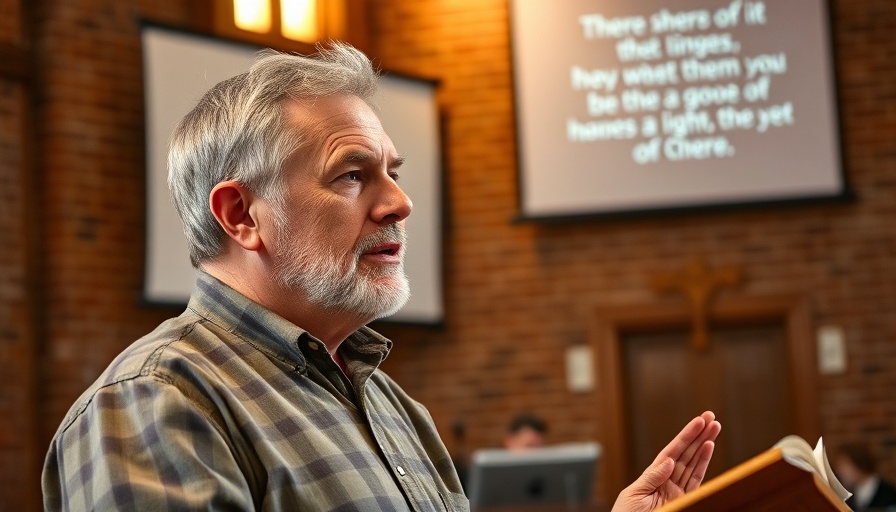
Man speaking about Genesis 33 with Bible verse on screen.


The Beauty of Unity: Lessons from Genesis 33

In our journey through life, nothing is more precious than harmonious relationships. This idea resonates deeply in the teachings of Genesis 33, where we witness a remarkable reunion between Jacob and Esau—two brothers whose relationship once lay in ruins due to deception and conflict. Their reconciliation not only highlights the importance of unity but also offers valuable lessons for us in our spiritual lives.


In '9th March 2025 am sermon - Genesis 33', the discussion dives into the themes of unity and forgiveness, exploring key insights that sparked deeper analysis on our end.

Humility Before Healing: The Path to Reconciliation

Jacob's journey back to his brother is nothing short of courageous. As he approached Esau, he demonstrated profound humility by bowing seven times—a gesture indicating respect and submission (Genesis 33:3). This act represents more than just proper etiquette; it reflects a heart ready to mend what was broken. Just like Jacob, we are called to humble ourselves when we seek to restore our relationships. Are there areas in our lives where we need to extend an olive branch to someone we’ve wronged or who has wronged us?

The Gift of Forgiveness: A Chance to Start Fresh

When Jacob reached Esau, he was met with an unexpected warmth that illustrates the power of forgiveness. Esau embraced Jacob, showing that he had moved past the hurts of the past. This moment serves as a beautiful reminder of how forgiveness can transform lives. Just as Esau welcomed his brother with open arms, we are encouraged to forgive others as God has forgiven us (Ephesians 4:32). Holding onto grudges only weighs us down; instead, let us release those burdens and embrace opportunities for new beginnings.

Gratitude in Relationships: Recognizing God’s Blessings

Gratitude is another essential aspect that Jacob exemplifies in his encounter with Esau. He humbly attributes his blessings to God’s grace, acknowledging that all he has is a gift (Genesis 33:11). This spirit of thankfulness not only strengthens our bonds with others but also keeps our focus on God's goodness. When was the last time you thanked someone for their presence and influence in your life? Let's practice gratitude as an everyday habit; it spreads positivity and reinforces our relationships.

The Importance of Obedience: Following God’s Path

Even in their joyful reunion, Jacob faces challenges ahead. Though he has reconciled with his brother, he must navigate his journey with God's guidance. Esau invites Jacob to come to his home, but Jacob wisely recognizes that his destination lies elsewhere; he must obey God's call (Genesis 33:12-17). Moments like this remind us of the importance of following God's plan, even when well-meaning distractions come our way. Obedience to God’s will is vital for our spiritual growth and fulfillment.

Embracing the Call to Unity: Application in Our Lives

In the Gospel of Jesus Christ, we learn the profound importance of unity among believers. Just as Jacob and Esau's story teaches us how to seek reconciliation, we are reminded to build bridges instead of walls in our communities. As Psalm 133 beautifully states, "How good and pleasant it is when God’s people live together in unity!" (Psalm 133:1). Let us encourage one another to foster peace and understanding, recognizing that our unity can be a powerful testimony of God's love.

Ultimately, our journeys may lead us to face moments of conflict and struggle. Still, the lessons in Genesis 33—humility, forgiveness, gratitude, and obedience—remind us how to navigate our relationships with wisdom and grace. Let us strive to embody these principles so that our lives reflect the light of Christ and embody the community in which we live.

If you’ve felt inspired by this message, take a moment to reflect on your relationships. Are there reconciliations waiting to happen or gestures of gratitude you can express? Together, let’s pursue unity and harmony in our lives, grounded in the everlasting love shown in the Gospel.


Walton Evangelical Church

19 Views

1 Comments

Write A Comment

*
*
Related Posts All Posts
12.01.2025

Exploring How Walton Church’s Live Stream Connects Us to Faith

Update Faith in Action: Insights from Walton Church's Live Stream For those who seek spiritual nourishment and community, Walton Church’s live stream on November 30, 2025, was not just a service— it was an invitation to engage with God and one's peers. Let's explore how such gatherings can influence our faith journey and community connections.In Walton Church - Live Stream - 30/11/2025, the discussion dives into community and faith, exploring key insights that sparked deeper analysis on our end. Understanding Why Community Worship Matters Worshipping together is more than just attending a service; it’s about building a community rooted in shared beliefs. In a world where loneliness can feel overwhelming, gathering in faith provides emotional and spiritual support. Live streams like that of Walton Church can foster a sense of belonging not only for regulars but also for newcomers who wish to explore their spirituality. Bringing the Bible to Life At Walton Church, live-streaming Bible teachings engages audiences in a modern way. Young viewers, especially, find it easier to connect with scripture through technology. For example, an interactive sermon can involve quizzes or share real-life applications of biblical passages that resonate with young minds. When the Bible feels accessible, it becomes more than just a book— it transforms into a guide for living. Inspiring Stories of Faith and Transformation During the recent service, stories of personal transformation shared by community members served as powerful testaments to God’s work in their lives. These uplifting narratives can inspire others who may be struggling, reinforcing the message that change is possible through faith. Just imagine a young person, listening to a story, feeling empowered to share their struggles and experiences, contributing to the community’s growth. Interactive Learning for Youth Engagement Community-building events following the service can further engage the youth, such as Bible study groups or discussion forums where they can voice their opinions and brainstorm questions about faith. The more these youths participate, the more personally invested they become in their spiritual journeys and in their community. Integrating Technology with Faith Walton Church’s use of live streams also reflects a growing trend of integrating technology into faith-based practices. Young people, who are often more tech-savvy than previous generations, benefit greatly from this approach. By offering digital resources such as sermon notes, discussion sheets, or even apps that link to study materials, churches can create a richer Bible learning experience. A Future Full of Opportunities It’s exciting to think about the future of church communities as they continue to embrace technology. Innovations like virtual reality Bible experiences or apps that help track spiritual growth will engage more youths, fostering curiosity and exploration within their faith. These changes suggest a vibrant evolution in how faith is shared and lived. Call to Action: Join the Journey! If you have enjoyed the layout and experience offered by Walton Church's live stream, consider participating in your local church services or online gatherings. Engaging with a community of faith not only strengthens your own spiritual journey but also builds bonds with like-minded individuals. Look for opportunities to connect with events and services that resonate with you, whether through family fellowship activities, volunteer opportunities, or regular teachings. Explore, connect, and grow in faith together!

11.27.2025

Discover How God's Plans Remain Personal and Precious

Update Understanding God's Plans: A Journey of Faith and Hope In the sermon titled 23rd November 2025 am sermon - Jeremiah 29:1 - 14, the speaker delves into the profound message that God has a plan for each of us. This idea resonates deeply, especially in a world where we often feel lost or burdened by life's challenges. The message is clear: God’s purpose is not just a concept for the masses; it’s personal and precious to each individual.In 23rd November 2025 am sermon - Jeremiah 29:1 - 14, the speaker shares valuable insights on understanding God's plan, prompting us to dive deeper into how these principles influence our daily lives. Moving with Purpose: The Context of Jeremiah 29 The chapter from Jeremiah reveals a pivotal moment for God’s people, who were displaced and living under difficult circumstances. Much like the people who have recently moved cities or even countries, they found themselves in a foreign land, forced to adjust to a new reality. The speaker draws parallels between these shifts and our own experiences, highlighting that change—though often traumatic—can also lead to profound growth and a deeper understanding of God's will. God’s Assurance: Personal & Precious Plans The promise from God in Jeremiah 29:11—“For I know the plans I have for you”—is a reflection of His personal care for each of us. The assurance that these plans are meant for our welfare and not harm is a profound comfort. When we feel overwhelmed, like the speaker’s relatives impacted by the devastation in Jamaica, remembering that God has a purpose can provide a glimmer of hope amidst despair. Lessons from Personal Experience The speaker shares poignant stories from his life, reminding us that God's presence remains even in our darkest times. For instance, he reflects on the sorrow of losing a loved one suddenly, a pain that many of us can relate to at different times in our lives. Through these hardships, he emphasizes that God doesn’t abandon us; instead, He walks alongside us, offering comfort and guidance. This mirrors the experiences of those facing their own storms, whether emotional or physical. From Doubt to Faith: Cultivating Trust In the journey of faith, doubts often arise. The speaker encourages us not to be discouraged by these feelings. Instead, we are reminded of God’s unwavering promise: “I will never leave you, nor forsake you.” Just as we might lean into a friend during tough times, we should lean into God's word and trust in His plan. Learning to trust in God’s goodness and His timing can be one of the most transformative experiences in our spiritual journey. Taking Action: Drawing Near to God The importance of prayer and scripture is emphasized as vital tools in understanding God’s direction. Engaging daily with the Bible offers clarity and guidance, serving as a lamp to our feet (Psalm 119:105). In our hectic lives, finding moments of stillness to connect with God can refresh our souls and renew our strength. Encouragement to the Young Believers For the youth among us, the call to follow God's path might seem intimidating. Yet, it is essential to remember that our lives are crafted uniquely by the Creator. The stories shared from both the speaker and within the congregation should inspire young believers to seek out their purpose and remain active in their faith communities. There is a vital need for every generation to engage in ministry and support each other through service and love. The Power of Community: Moving Forward Together As members of a faith community, we must remember we are not alone in our journey. Our struggles can strengthen our bonds as we support one another through prayer and good works. Whether they be large community projects or small acts of kindness, every effort counts in demonstrating God's love to others. Finding Hope in Challenges While life is not without its challenges, the speaker reassures us that God is working behind the scenes. The trials we face, much like the displacement of God’s people in Babylon, can lead us to growth and deeper relationships with God and each other. By facing challenges head-on and supporting one another, we can cultivate resilience and hope. Conclusion: Embracing God’s Plans As we reflect on the teachings of Jeremiah 29, let’s remember that while God’s plans often come wrapped in layers of difficulties, they are ultimately for our good. For anyone feeling lost or uncertain, take heart! You’re part of a loving community designed to uplift and support you. Engage actively in your spiritual journey; lean into God's promises, and let His light guide your steps. Let us commit to drawing closer to God through prayer, scripture, and community fellowship, reinforcing the faith that God is indeed present, guiding, and lovingly shaping our paths. How will you take steps to deepen your relationship with God this week?

11.27.2025

Lessons from Jonah 4: Overcoming Prejudice and Embracing Divine Grace

Update Understanding Jonah: A Tale of Human Flaws and Divine Mercy In the final chapter of the story of Jonah, we delve deep into the human heart and explore the themes of prejudice, selfishness, and divine grace. As we look closely at Jonah's reactions after witnessing the repentance of Nineveh, we not only get a glimpse of his flaws but also of God's incredible mercy and love.In '23rd November 2025 pm sermon - Jonah 4,' the discussion dives into the themes of prejudice, selfishness, and God's mercy, exploring key insights that sparked deeper analysis on our end. Jonah's Prejudice: A Mirror of Our Own Hearts Jonah's initial reluctance to go to Nineveh, seen in his attempt to flee to Tarsish, stemmed from his prejudice against the people he was called to save. Even after their dramatic repentance, Jonah was furious that God spared them. How could this be? It seems unbelievable that a prophet would want destruction for a city that turned from their wicked ways. Yet, this narrative invites us to reflect on our own biases. Are there people or groups we struggle to accept? Do we desire mercy for ourselves while wishing calamity upon others, perhaps due to their past or identity? Selfishness Revealed: Caring More for Comforts than Lives The crux of Jonah's selfishness is further illustrated through his attachment to a plant that provided him temporary shade. He became despondent when it withered and expressed a desire to die over losing something so trivial. Meanwhile, an entire city of over 120,000 people had been saved from destruction, and yet he mourned the loss of a mere plant. Here, we are challenged to consider our own priorities. Are there times when our comfort takes precedence over the well-being of others? When we choose to keep Jesus to ourselves rather than share His love with those who may need it most, we echo Jonah's selfishness, reinforcing the notion that selfishness often inhibits outreach. Let this prompt us to examine how we can move forward as more selfless individuals, willing to extend God's love to everyone. Divine Grace: God’s Love for All Though Jonah depicted human flaws strikingly well, the end of the story shines a brilliant light on God’s attributes. God’s conversation with Jonah about the plant leads into a profound revelation of His grace. God asks Jonah, “Should I not have pity on Nineveh?” revealing His heart for the lost, especially those who do not know their right from their left. God’s compassion and mercy are offered to all, regardless of their past. This understanding encourages us to continue in our own personal journeys of faith, embracing the grace that God freely extends. It invites us not to take that grace for granted but to actively spread it to others. God desires that none perish but comes to repentance (2 Peter 3:9). Our role, as believers, is to bring the message of hope and redemption to every corner of the world, echoing God’s very own plea for love and forgiveness. Reflect and Respond: Learning from Jonah’s Journey As we reflect on our own lives and see the caricature of Jonah's flaws, may our prayer be that we become less like Jonah and more like Jesus—accepting, loving, and generous. Jesus, who came not to condemn but to save, set the ultimate example of selflessness. He welcomes all, saying, “Come to me, all you who are weary and burdened.” Let us not be those who erect walls of judgment but instead, become agents of grace in an often-hostile world. So, how do we actively embody this grace? It begins by prayerfully asking God to identify any biases we may have, helping us to open our hearts to others and share His love unconditionally. Each journey may look different, but the heart of our mission remains the same: to love as Jesus loved us. Take Action: Share the Grace You’ve Received As we conclude our analysis of Jonah 4, I encourage you to share the stories of God’s mercy you have encountered in your life. You may be surprised by the connections you can make when you become intentional about sharing your faith. Engage with your family, friends, and community. Together, let’s break the cycle of prejudice and selfishness. Let’s strive to fulfill the great commission, going out into the world and sharing the hope we have. Embrace the challenge of extending God’s love, knowing that it reflects our understanding of His grace and our own transformation through faith. In our own unique ways, let’s be beacons of God’s unconditional love, ensuring that we reach out just as He does, with open arms and open hearts. As you think about the message of Jonah, remember: We have a compassionate God who desires all people to be saved. Let us love others as He first loved us.

Terms of Service

Privacy Policy

Core Modal Title

Sorry, no results found

You Might Find These Articles Interesting

T
Please Check Your Email
We Will Be Following Up Shortly
*
*
*