Add Row
Add Element
cropper
update

Biblical Living Unlocked

Logo - Biblical living unlocked
update
Add Element
  • Home
  • Categories
    • Biblical Parenting
    • Parenting Tips
    • Family Fellowship
    • Bible Teaching
    • Apologetics
    • Community Stories
    • Youth Focus
    • International
    • Walton Evangelical Church
    • Salt Church Mar Menor
    • Salt Church Los Montesinos
    • John Piper
Add Element
  • Ken on Facebook
    update
  • update
  • update
  • update
  • update
  • update
  • update
March 24.2025
4 Minutes Read

Discover the Joy of Freedom in Christ: Choosing to Believe the Truth

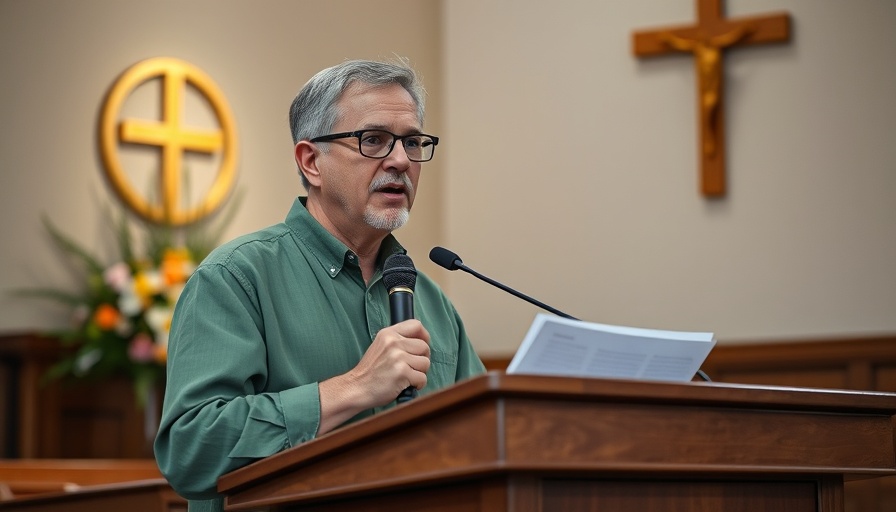
Middle-aged man speaks at church about freedom in Christ.

Finding Freedom in Christ: The Journey Begins with Faith

In a recent sermon, the topic of freedom in Christ was explored, inviting us to reflect on the profound meaning behind this concept. Freedom is more than just a phrase; it starts with salvation, leading us into a lifelong journey of discipleship and transformation. When individuals come to know Jesus as Lord and Savior, they embark on a significant change that touches every aspect of their being—body, soul, and spirit. This process not only shapes our identity but also outlines how we should navigate life’s challenges through faith.

For the full series "Freedom in Christ", watch the playlist here.


In 'Freedom In Christ: 23rd February 2025', the discussion dives into the profound implications of faith and truth, exploring key insights that sparked deeper analysis on our end.

The Core of Discipleship: Commitment to Belief

At the heart of experiencing freedom in Christ is the acknowledgment of our beliefs. The Apostle Paul often structured his letters with a two-part approach: first teaching about what we should believe and then outlining how to put that belief into action. For instance, the first chapters of his epistles explain our identity in Christ, while later chapters call us to live out that identity through our behaviors. The connection between belief and behavior is crucial. What we believe fundamentally shapes how we act in this world.

Significance, Security, and Acceptance: The Trifecta of Faith

When we accept Christ, we realize three critical truths: our significance, security, and acceptance in God’s eyes. Regardless of our feelings or circumstances, this newfound identity as children of God redefines who we are. As we delve deeper into these themes, it becomes clear that our significance is found in Jesus, who willingly died for our salvation. With our names engraved in the palms of His hands, we can rest assured that we are never forsaken. This assurance provides us with the security that is vital in a world filled with uncertainty.

Choosing to Believe: The Power of Truth

Freedom in Christ also involves making choices—specifically, the choice to believe in the truth of God’s word. We encounter numerous voices in the world, each vying for our attention and trust. However, standing firm on biblical truths is essential. The challenge lies in recognizing that faith is not merely an intellectual agreement with certain doctrines; it’s an active decision to rely on what is already true. Just as King David stood against Goliath, we too must choose to view our battles in light of who God is.

Navigating a Confused World: Truth vs. Lies

In today’s society, many individuals struggle with their identity, particularly regarding gender and acceptance. This confusion stems from a search for significance and security outside of God. Believers are called to hold fast to the truth of scripture, reminding ourselves and others that our identity is rooted in Christ. Understanding that both men and women are created in God’s image provides clarity and purpose that transcends societal norms. Without aligning our beliefs with biblical truths, we risk being swayed by worldly ideologies.

The Reality of Faith in Action

Faith naturally prompts us to action. It’s not enough to simply acknowledge what we believe; we must live it out. The Apostle James reminds us that faith without deeds is dead. Every decision, big or small, reflects what we truly believe. For example, if we claim to trust God with our finances, it should be evident through our giving. Similarly, if our faith is genuine, it will compel us to love others, share the gospel, and serve our communities. When we act on our beliefs, we grow deeper in our relationship with God.

Practical Insights for the Journey Ahead

As we strive to choose what is true, seeking insights from Scripture can be transformative. Reflecting on personal experiences of faith—like times God came through in dire situations—helps build a solid foundation. Just as the Israelites faced uncertain futures, we too have the opportunity to lean into God's promises and witness His faithfulness unfold in our lives.

Change often requires courage, as we may face doubts and opposition. Yet, every step taken in faith strengthens our resolve and enhances our understanding of God’s character. It’s through these experiences that our faith is refined—much like gold tested in fire.

To conclude, navigating the journey of faith involves making intentional choices rooted in the truth of God’s word. This path to freedom in Christ is paved through understanding, acceptance, and action. As we journey on, we are invited to visit Salt Church for more teachings like this, aimed at empowering believers to live out their faith boldly.


Salt Church Los Montesinos

19 Views

0 Comments

Write A Comment

*
*
Related Posts All Posts
11.12.2025

Don't Waste Your Freedom: Reflections on Sacrifice for Peace

Update Embracing Freedom: The Cost of Sacrifice In reflecting on the lessons of Remembrance Sunday, we remember those who have sacrificed their lives for the freedoms we often take for granted. Just as a soldier's story compels us to think about the very essence of duty and devotion, a recent tribute featured a powerful message: "Do not squander the freedom that has been secured through the sacrifice of other people." These poignant words remind us of our responsibility to honor those who served, including our own loved ones who fought through hellish battles.In Reflections on Sacrifice and Freedom: 9th November 2025, the conversation emphasizes the importance of recognizing the sacrifices made for our freedoms, prompting deep reflection on our ways of living. Personal Stories of Sacrifice Shape Our Understanding Stories passed down through generations about family members—like a grandfather who struggled with the lingering effects of mustard gas—illustrate the personal impact of distant conflicts. These narratives allow us to connect emotionally to the abstract concepts of war, sacrifice, and freedom. We see not just soldiers but humans with hopes, dreams, and debilitating scars. The readiness to sacrifice one's life transforms the idea of freedom into a privilege laced with responsibility. The Call to Live with Purpose In the film Saving Private Ryan, the narrative crescendos with the captain's urgent charge to “earn it.” This sentiment echoes into our lives today, especially within the context of faith. As believers, we're not just called to honor the freedoms secured for us; we are urged to live as reflections of that very sacrifice. Jesus, the ultimate example of selflessness, invites us to not only cherish our freedom but to embody it by loving and serving others. This is where we find the true value of our faith—within our actions. Freedom as a Daily Reflection As we stand before countless gravestones, we must ask ourselves: How does the sacrifice of others shape my life? What impact does this freedom have on my daily interactions? This introspection brings depth to our faith and actions, inspiring us to recognize our calling—to love each other deeply and passionately. The Responsibility of Community and Connection In a world plagued by conflicts, our role as part of a community—specifically an English-speaking Evangelical church in Spain—is vital. It highlights the importance of uniting, serving, and engaging in meaningful peace-building activities. We can choose to be ambassadors of peace in our neighborhoods, extending grace to families and individuals who are hard-pressed or in conflict, just as Christ extended his grace to us. Honoring Christ's Sacrifice through Action Believers are called not only to contemplate the significance of Jesus’ ultimate sacrifice but to live out the implications of that freedom every day. This means striving to resolve conflicts with humility and kindness, and it calls for a commitment to love rather than judge. As we honor Christ’s love and the sacrifices of our ancestors, we create a bridge of understanding, offering a counter-narrative to the divisiveness in our world. The Next Steps: Reflect and Resolve Ultimately, the message is crystal clear: do not waste another day. Whether you're contemplating your relationship with Jesus or considering how you can better serve those around you, now is the time to take action. Make every effort to solidify the lessons we've learned from those sacrifices, and embrace the freedom offered by Christ as a lifestyle, rather than a momentary reflection. As we navigate the pressures and pains seen in today’s conflicts—whether they be personal, relational, or international—we're reminded of the power of resolution and restoration. Let’s look to our faith, community, and the ultimate example in Jesus, who showed us the highest form of love. His sacrifice is our constant call to act for the good of one another. May we all endeavor to love well and serve well as we live in gratitude for the freedom we have. If you feel inspired to deepen your understanding of faith, community, and service, I encourage you to visit Salt Church for more resources and connection opportunities.

11.06.2025

Cultivating a Noble Heart: Embracing God's Word of Truth

Update The Heart of the Matter: Understanding God's Word As we reflect on the message from God Speaks: 2nd November 2025, we are reminded of a fundamental truth: God's presence among us is transformative. This past week’s sermon, highlighted by Trevor’s exploration of the parable of the sower, serves as a crucial reminder that the kind of heart we have determines how we absorb God’s teachings. Each of us must grapple with what kind of soil we present to the seeds of God’s Word. Are our hearts hard, rocky, or soft and nourishing?In God Speaks: 2nd November 2025, the focus is on the power of God's word and the condition of our hearts, leading to deeper insights that merit further exploration. Revisiting the Parable: A Deeper Look The parable of the sower is not merely a story—it’s an invitation to introspection. It challenges us to consider our receptivity to divine truths. Many might feel familiar with this parable. Yet, as shared in the sermon, hearing it repeatedly can sometimes desensitize us to its wisdom. Just like watching a heart-wrenching appeal on television, we can become numb to the poignant messages intended to stir our spirits. We need to cultivate a spirit ready to embrace God’s Word with fresh understanding and enthusiasm. As the speaker poignantly noted, the Word of God is active and alive, sharper than any double-edged sword. It requires our full attention and engagement to truly understand its meaning and implications in our lives. The Importance of Listening and Understanding Hearing is just the beginning. In Matt. 13:23, Jesus emphasizes that hearing must be accompanied by understanding. Only then can we truly produce a fruitful crop—a metaphor for the spiritual growth we should aspire to. Moreover, faith, as Paul shared, comes from listening to God's voice speaking through His Word. We often get caught in the noise of daily life, which distracts us from this crucial auditory connection. The analogy of God waking someone at 3:00 AM to share important revelations resonates with many. Sometimes our busiest and most chaotic moments drown out the gentle nudges of God urging us to reflect and listen. Thus, we should intentionally carve out moments in our day for silence and contemplation, allowing God's voice to penetrate our hearts. Accepting the Hard Truths Acceptance is another vital step—the challenge of allowing God's messages to reshape our understanding of ourselves and our paths. As indicated in Mark 4:20, we may hear the Word but struggle to accept it deeply because it sometimes directs us toward uncomfortable truths. Are there aspects of our lives where we filter out God's messages because they challenge our comfort zones? These realizations can lead us to ask tough questions: What areas of my life am I reluctant to surrender to God? Am I putting up walls that prevent His Word from taking root? It's in those moments of vulnerability that true growth begins. Retaining and Persevering in the Word Holding onto God’s promises forms the crux of our spiritual journey. In Luke 8:15, the emphasis is on retention—the need to guard the truths God sows in our hearts and to persevere in nurturing them. We are encouraged to write down our thoughts or promises from God to remind ourselves when we grow weary in our faith. God’s message of hope, healing, and restoration never returns void; when we stand firm in it, it can transform our lives. Finding Practical Application So how do we put this into action? Firstly, set aside dedicated time in your daily routine for solitude and prayer. Just as Mary prioritized sitting at the feet of Jesus amidst her sister Martha’s concerns, we must create our sacred space. This quiet time fosters an environment where we can hear God’s whispers clearly. Furthermore, seek understanding actively. Don’t just read Scripture to cross it off your list; engage with it deeply, questioning and seeking clarity on what it means for your life. This understanding guards us against presumptions and builds a resilient foundation for our faith. Finally, embrace transparency with God. Acknowledge the filters you may have set up that hinder you from embracing difficult truths. You’re not alone; many wrestle with pulling down those walls. Ask God to soften your heart, to help you accept the full counsel of His Word. Conclusion: Responding to God’s Call In exploring our hearts in connection with the Word of God and as we consider the powerful themes presented in God Speaks, it is essential to recognize that this journey is not just personal but communal. We are invited to engage with each other, sharing insights and supporting one another in our faith journeys. Remember, every individual is part of a larger narrative that God is weaving through His people. As you reflect on the depths of today’s teaching, I urge you to take action. If any part of this message has resonated with you or challenged you, share it with someone else or revisit it daily. Explore more enriching teachings to deepen your understanding and community. Visit Salt Church for more insights and resources.

11.05.2025

Understanding the Role of Remembrance Services in Our Communities

Update The Importance of Remembrance Services in Our Lives In our busy lives, it’s easy to forget important moments—especially those that remind us of our blessings and the legacy left by loved ones. The service held on November 9, 2025, was a poignant reminder of this, allowing individuals to come together to reflect, remember, and rejoice in the lives of those we cherish. Such events hold significant value in our communities, reinforcing our bonds with each other while keeping memories alive.In 'Remembrance Service Live: 9th November 2025', the discussion dives into the importance of remembering and honoring loved ones, exploring key insights that sparked deeper analysis on our end. Historical Significance of Remembrance Throughout history, societies have organized remembrance services to honor the deceased, particularly in religious traditions. These services bridge the past and present, offering comfort to those mourning while also instilling a sense of hope. As families gather to pay tribute, they not only share stories but also find encouragement and strength in communal grief. This timeless act of remembrance is a powerful expression of love and support, fostering deeper connections within our communities. Building Community Through Shared Memories When we participate in remembrance services, we cultivate a sense of belonging. These gatherings provide a platform for individuals to share their grief and celebrate lives lived. In an English-speaking Evangelical church in Spain, like Salt Church, such events hold special significance as they draw families and friends from diverse backgrounds, weaving together unique stories into a rich tapestry of shared experiences. From personal testimonies to fond recollections, the atmosphere fosters healing and understanding among participants. Reflecting Biblical Principles in Remembrance Incorporating biblical teachings enhances the meaning of remembrance services. Scriptures remind us of the transient nature of life but also assure us of God’s eternal love and hope. When we share memories in light of faith, we tap into a deeper understanding of life, death, and our blessed assurance in Christ. This perspective not only comforts the grieving but also encourages all attendees to look forward with hope, embracing God's promise of everlasting life through His resurrection. Encouragement for Families and Youth Engaging young people in such acts of remembrance can foster emotional intelligence and spiritual depth. It offers them a framework to understand loss and the importance of relationships. Teaching children the value of honoring our loved ones helps to build resilience. As families gather during these services, they reinforce bonds that may otherwise be overlooked, making these teachings relevant to modern challenges. It’s essential to show our youth that remembrance is not just a ritual, but a heartfelt celebration of life that calls for gratitude and reflection. The Road Ahead: Embracing Remembrance Looking to the future, as our communities continue to evolve, it is vital to maintain traditions that honor remembrance. Encouraging a culture of remembrance within our church community can lead to strengthening ties and fostering an atmosphere of support and love. Let us remember that remembrance services are not merely about mourning; they represent life, connection, and hope, reminding us that we are never truly alone. As we participate in such services, let’s carry the lessons learned forward into our everyday lives. Celebrate, share stories, and actively listen to each other. Engage with your children and loved ones about the value of remembering those who came before us, and encourage them to find joy in the legacy of love that surrounds us. Visit Salt Church for more teachings and resources on fostering family-oriented connections and developing a community rooted in love and faith.

Terms of Service

Privacy Policy

Core Modal Title

Sorry, no results found

You Might Find These Articles Interesting

T
Please Check Your Email
We Will Be Following Up Shortly
*
*
*