Add Row
Add Element
cropper
update

Biblical Living Unlocked

Logo - Biblical living unlocked
update
Add Element
  • Home
  • Categories
    • Biblical Parenting
    • Parenting Tips
    • Family Fellowship
    • Bible Teaching
    • Apologetics
    • Community Stories
    • Youth Focus
    • International
    • Walton Evangelical Church
    • Salt Church Mar Menor
    • Salt Church Los Montesinos
    • John Piper
    • News & Offers
Add Element
  • Ken on Facebook
    update
  • update
  • update
  • update
  • update
  • update
  • update
April 30.2025
2 Minutes Read

Discover Israel's Memorial Day 2025: A Global Call to Remembrance

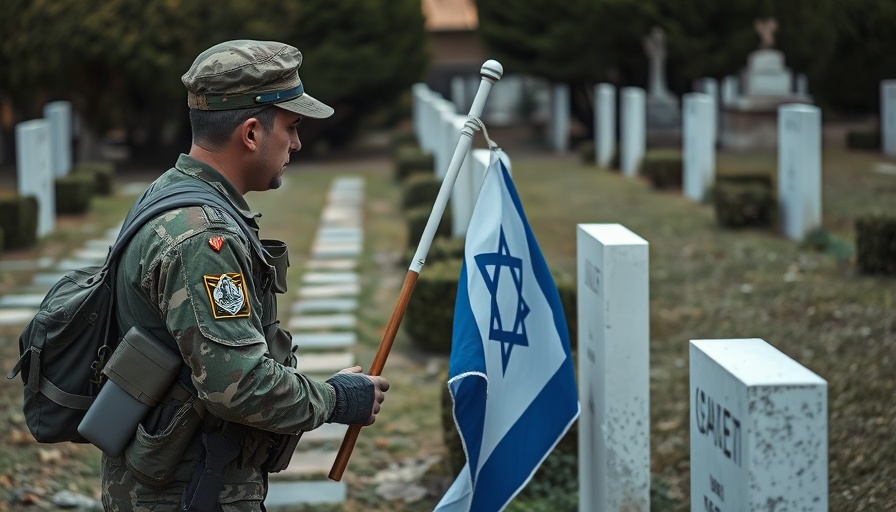
Israeli soldier in cemetery commemorating Israel's Memorial Day 2025

Understanding Israel's Memorial Day

Israel's Memorial Day, known as Yom HaZikaron, holds profound significance for the nation as it serves to honor the fallen soldiers and victims of hostile acts. Scheduled to commence on April 29, 2025, at 8:00 p.m. and concluding on April 30 at the same hour, this somber occasion invites both national reflection and personal remembrance.

A Day of Mourning and Remembrance

This year, the nation comes together in a powerful expression of collective grief. As families and communities gather, the ceremonies held across the country—including poignant moments in Mount Herzl military cemetery—illustrate not just the loss, but also the enduring legacy of those who defended Israel’s freedom. Each grave adorned with flags symbolizes not only individual sacrifice but also the potent bond between those lost and the living.

Why Memorial Day Matters to Globally Minded Individuals

For many Christians and interfaith advocates around the world, understanding the significance of Yom HaZikaron is crucial. As these events unfold in Israel, they prompt reflection on broader themes of conflict, sacrifice, and solidarity that resonate across cultures and religions. The stories emerging from this day encourage us to connect with those facing persecution and hardship, reminding us that these issues are not isolated to one nation but are globally relevant.

Connecting Through Stories: Personal Accounts of Grace

Personal narratives, such as the touching tale of Saadia Yaakov Derai, bring a human face to the statistics of war. Saadia’s story, revealing deep familial love and loss, emphasizes that each name etched in memoria is tied to lives filled with hope and dreams. Such stories can foster empathy and understanding, igniting passion for social justice and peace among Christian communities.

Inclusivity and Shared Reflections

The interfaith ceremonies taking place during Memorial Day serve to strengthen relationships between diverse communities. They remind us that we can share our grief while also celebrating the resolute spirit of humanity. Whether it’s through commemorative events or moments of silence, Yom HaZikaron offers an opportunity for individuals to come together across divides, fundamentally agreeing on the value of life and the pain of loss.

Future Trends in Commemoration

Looking forward, the role of technology in Memorial Day observances is likely to evolve. Virtual ceremonies, like online memorials, could engage younger generations and those unable to attend in person. By bridging the gap through digital mediums, a wider audience might experience the significance of this day, leading to stronger global advocacy for peace and remembrance.

Conclusion: A Call to Remember and Reflect

As Yom HaZikaron unfolds, let us stand in solidarity, revealing hearts and support for those facing challenges and challenges in their lives. This year, consider finding ways to participate in or observe these events from afar. Engage in discussions within your community about global issues of justice and peace, amplifying voices of those who endure persecution. Together, through remembrance, may we cultivate a world that values every life lost and every story shared.

International

21 Views

0 Comments

Write A Comment

*
*
Related Posts All Posts
01.14.2026

Trump's Bold Move: Cancels Iran Talks While Promising Support for Protesters

Update President Trump Takes a Stance Against Iran's Crackdown on Protests In a bold move, President Donald Trump announced the cancellation of all meetings with Iranian officials, urging the citizens of Iran to continue their protests and promising, "help is on its way." This announcement comes amidst reports of a violent crackdown by the Iranian government, which has seen the deaths of numerous protesters, with estimates varying from 646 to over 2,000 fatalities. The Context of Civil Unrest in Iran The ongoing protests in Iran represent a significant reflection of public dissent against a regime that many feel is failing its people. Triggered by the death of Mahsa Amini in 2022, these protests have taken a dangerous turn. Currently, the Iranian authorities are clamping down hard, making the current civil unrest the most severe in recent years. Trump's Response to the Situation Following the rising toll of violence against protesters, Trump emphasized the urgency of U.S. involvement. He stated, "Iranian Patriots, KEEP PROTESTING - TAKE OVER YOUR INSTITUTIONS!" He communicated his intent to support the protestors, claiming that the individuals responsible for the killings would face consequences. His administration is currently exploring various options, including military action, while also stating that diplomacy remains an avenue of interest. Broader International Implications The international community has taken notice of these developments, with leaders like German Chancellor Friedrich Merz predicting that the end is imminent for Khamenei's regime. These protests, against the backdrop of regional unrest, encourage questions about the future stability of the Middle East, posing a complex challenge for leaders worldwide. Understanding Human Rights Violations Human rights groups have emphatically labeled the Iranian government’s actions as violations that must be recognized globally. Over 16,700 individuals have reportedly been detained, showcasing the scale of oppression against those exercising their right to protest. This situation presents an opportunity for Western nations, particularly the U.S., to hold Iran accountable and reshape diplomatic approaches towards repressive regimes. Emphasizing the Role of Christians and Global Advocates For globally aware Christians and social justice advocates, the events in Iran resonate deeply. Supporting those who are persecuted for their beliefs is essential, especially as Iranian Christians and other religious minorities often face dire consequences in such oppressive environments. Their plight emphasizes a broader narrative of resilience and hope against tyranny. Looking Ahead: What Comes Next? As the Iranian protests continue, the ramifications of Trump’s stance could shape the future of U.S.-Iran relations. With discussions ongoing regarding possible sanctions and military options, many are wondering how this will affect the global landscape. It is crucial for citizens worldwide to remain informed, as the outcome in Iran may influence social justice movements and international relations for years to come. Conclusion: The Importance of Advocacy The situation in Iran underscores the importance of global awareness and action. Advocating for the rights of oppressed individuals not only demonstrates solidarity with those suffering but also serves as a reminder that collective action can lead to change. Become involved: support organizations that advocate for religious freedom and human rights globally, as every voice counts in the fight against oppression.

01.14.2026

Why Praying for Iran is Crucial Amidst Protests and Unrest

Update Understanding the Unrest in Iran As protests rattle Iran, the world watches with bated breath. The waves of dissent rising from the streets reflect not just discontent over economic hardship but a deeper, more profound call for dignity and justice. Christians, who often find themselves on the periphery of this societal upheaval, are feeling the impact significantly as both protesters and believers. The Heart of the Matter: Human Dignity and Justice At the core of the current protests in Iran is a demand for basic human dignity. An Open Doors source poignantly articulates that the cries from the streets represent a struggle against fear and a battle for acknowledgment from those in power. This collective outcry for change serves as a powerful backdrop for understanding how Christians willingly endure persecution while aiming for justice and peace. The Plight of Iranian Christians Amidst Turmoil Christians in Iran have long faced severe repression, frequently regarded as national security threats. Converts from Islam experience the brunt of this persecution, often fearing not only governmental backlash but also rejection from their own communities. As the protests unfold, pressure mounts on believers who are perceived as agents of foreign influence. This framing further complicates their efforts to practice their faith openly. Many Iranian Christians, however, view the protests as a call to solidarity, choosing to actively support the quest for justice alongside their fellow citizens. Prayers That Matter: How to Stand in Support For those observing from afar, the question arises: how can we effectively support our brothers and sisters in Iran? Now, more than ever, prayer can amplify the voices of those silenced and bolster the spirits of those in dire need. Local Iranian believers have articulated specific prayer requests, seeking peace, protection, and comfort in the midst of violence. They yearn for wisdom for decision-makers worldwide and for the restoration of communication lines that have been severed by the authorities. A Shared Hope for the Future Many Iranian Christians are motivated by a profound hope for a future where justice and equality are the norms. They view the movement not merely as a political uprising; it is equally a spiritual rallying cry. This hope resonates with a shared longing encompassed by the teachings of their faith, encouraging them to endure with courage and perseverance. International Voices Join the Call for Justice With global eyes on Iran, advocacy from the international community is crucial. Many leaders outside Iran, including those who represent Christian organizations, echo the need for prayer and action. They urge believers in the West to remain informed and engaged, illustrating the power of collective prayer and advocacy in effecting change. Future Predictions: Possibilities and Challenges While the path forward is fraught with uncertainty, there exists a flicker of hope amid the turmoil. As echoes of the regime's brutality ring throughout the nation, the drive for change is palpable. Yet, Iranian Christians interpret this unrest through the lens of faith, maintaining firm belief that true transformation will come only through Christ, regardless of political outcomes. Ultimately, the unity of purpose among Iranians, especially among Christians seeking peace, justice, and reconciliation is commendable. As the situation continues to evolve, may we remain steadfast in our support through prayer and advocacy for both the people of Iran and its beleaguered church. In this pivotal time, let us join in fervent prayer and remain informed. The stakes have never been higher, both for the sake of peace and the freedom of faith. Please pray: Heavenly Father, grant courage, protection, and perseverance to my brothers and sisters in Iran. May this period of unrest lead to peace, justice, and significant advancements in religious freedom.

01.12.2026

Trump's 25% Tariff on Iran: What It Means for Global Politics and Human Rights

Update Understanding the Recent Tariff Amid Iran's Protests In a significant escalation of economic pressure, President Donald Trump recently imposed a 25% tariff on all trade with Iran, a response to the severe crackdown on protests within the country. This bold move, announced via social media, follows reports indicating that over 500 people have lost their lives amid widespread demonstrations against the Iranian government. Historical Context and Background This decision is set against a backdrop of a long-standing conflict between the U.S. and Iran, exacerbated by Iran's nuclear ambitions and its support for various militant groups in the region. The new tariff is aimed at any country that conducts trade with Iran, which includes major economies like China, Brazil, and Turkey. It's a strategic maneuver by the Trump administration as it seeks to isolate Iran financially and apply pressure on its leadership. The Harrowing Reality in Iran The protests in Iran have erupted due to a combination of economic hardship and social restrictions, sparking outrage against the government. Videos and reports indicate that Iranian security forces are responding to these protests with deadly force, leading to what some human rights groups describe as a massacre. The ongoing internet blackout only adds to the darkness enveloping the situation, making it difficult for the world to grasp the full extent of the governmental crackdown. Implications for Global Trade and Diplomacy This tariff signifies the U.S.'s willingness to disrupt not only its own economic relationship with Iran but also that of its trading partners. The sweeping nature of this decision raises questions not only about the economic fallout but also about the diplomatic ramifications. Those nations that choose to continue their business dealings with Iran may now face consequences on their own trade with the United States. The Interplay Between Human Rights and Foreign Policy Trump's announcement also stirs an ongoing debate regarding how foreign policy should engage with human rights abuses abroad. While this tariff is intended as a punitive measure against the Iranian government for its violent repression, it also has the potential to impact ordinary Iranians who are already suffering from harsh economic conditions. Human rights advocates frequently urge that international attention be paid not just to sanctions but also to the individuals affected by them. A balance must be struck between holding authoritarian regimes accountable and ensuring that the general population does not suffer unnecessarily. Potential Outcomes and Future Predictions As the U.S. continues to apply pressure, analysts predict various outcomes. Some believe that the tariffs could push Iran to reconsider its approach towards protests and possibly lead to political reforms. Others, however, caution that such measures may entrench existing power structures and lead to further instability in the region. A military response is also being discussed, with Trump keeping all options on the table, which could escalate tensions even further. Conclusion: The Importance of Awareness In times of crisis, staying informed is crucial. As developments unfold in Iran, fostering discussions about the implications of international tariffs, human rights, and effective foreign policy remains important. Understanding the intersecting narratives of faith, politics, and human dignity will help guide humanitarian responses and policy advocacy efforts in support of the Iranian people.

Terms of Service

Privacy Policy

Core Modal Title

Sorry, no results found

You Might Find These Articles Interesting

T
Please Check Your Email
We Will Be Following Up Shortly
*
*
*