Add Row
Add Element
cropper
update

Biblical Living Unlocked

Logo - Biblical living unlocked
update
Add Element
  • Home
  • Categories
    • Biblical Parenting
    • Parenting Tips
    • Family Fellowship
    • Bible Teaching
    • Apologetics
    • Community Stories
    • Youth Focus
    • International
    • Walton Evangelical Church
    • Salt Church Mar Menor
    • Salt Church Los Montesinos
    • John Piper
    • News & Offers
Add Element
  • Ken on Facebook
    update
  • update
  • update
  • update
  • update
  • update
  • update
March 12.2026
1 Minute Read

Dealing with Police During Street Evangelism: Best Practices

Did you know that over 70% of street evangelists report encounters with police officers? Understanding these interactions can protect your rights and enhance your ministry. This guide reveals essential best practices for effective, respectful communication during police encounters while evangelising on the streets. Whether you’re new to street preaching or an experienced evangelist, knowing how to navigate police interactions calmly and knowledgeably empowers you to proclaim your faith boldly and wisely.

Understanding Your Rights in Street Evangelism Police Interaction

  • No permission needed to preach on public streets

  • Distinction between public streets and private property (e.g., shopping centres)

  • Public parks may have bylaws restricting preaching

When it comes to street evangelism police interaction, it’s important to understand your foundational legal rights. In England and Wales, you do not require permission to preach the gospel on public streets. This freedom is protected so long as the place is genuinely public. However, a common point of confusion arises with areas such as shopping centres, which may appear public but are actually private property. This means the landowners can impose restrictions, and if you attempt to preach there without consent, you might be asked to leave.

Similarly, some public parks may have bylaws displayed at entrances that prohibit preaching or distribution of literature. If no such bylaw exists, preaching is generally lawful. Steve Harris, of OAC Ministries, explains, “We have great freedom to preach on the streets. The police aren’t out to get us; they often just observe and move on. ” Being aware of these distinctions helps evangelists choose appropriate, lawful locations where their message can be heard without unnecessary conflict.
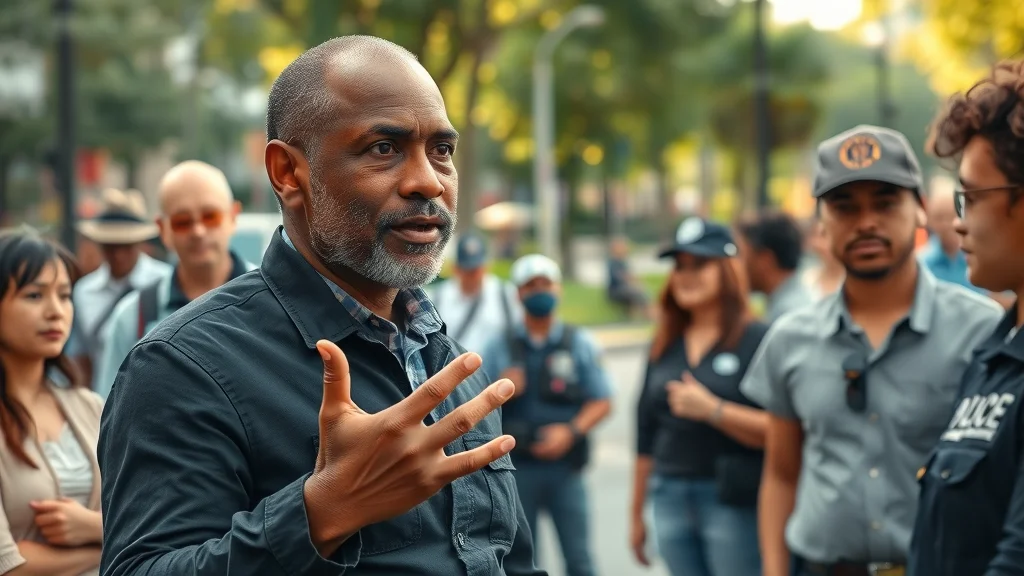
Street evangelism police interaction: Confident street preacher speaking calmly to a diverse group on a public street near park

Common Police Officer Interactions During Street Evangelism

  • Police maintaining public order, not targeting preachers

  • How to respond calmly and respectfully when approached

  • Clarifying the reason for police intervention

It’s natural to feel anxious about police encounters while preaching, but the reality is much more encouraging. Police officers primarily aim to maintain public order rather than target preachers specifically. Steve Harris shares from his extensive experience, noting that officers often just walk by and monitor the situation without interference. If police do approach you, it’s vital to remain calm, respectful, and open to dialogue.

When approached by an officer, politely ask why they want you to stop or move. Understanding their concerns can lead to a mutual solution. For example, they might worry about obstruction or disturbance. Explaining your rights calmly and seeking alternatives can often resolve issues quickly. Respectful interaction fosters positive relationships and keeps your ministry effective without escalating tensions.
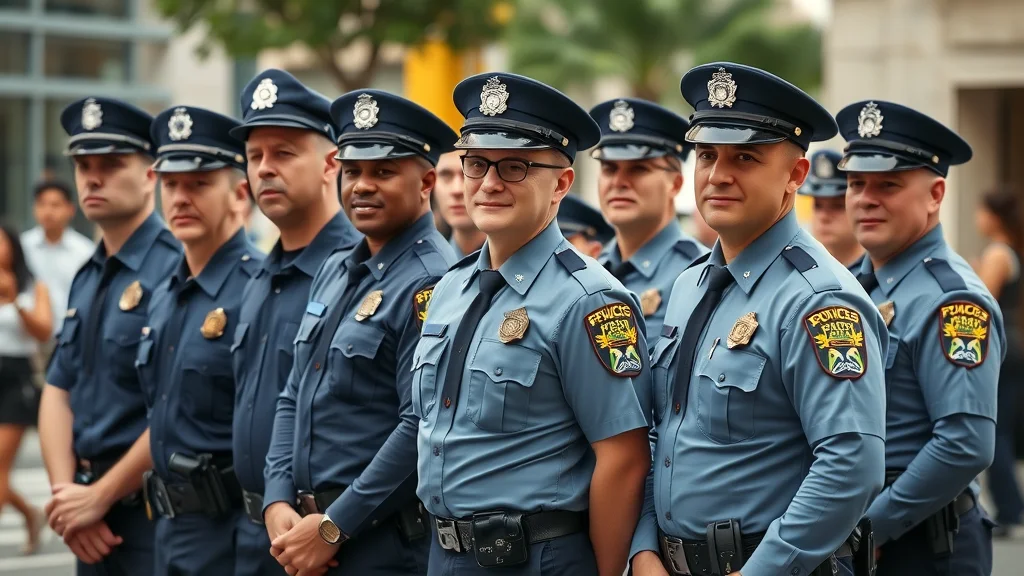
Street evangelism police interaction: Approachable police officers standing on a busy urban street

For a deeper understanding of your legal protections and practical steps to safeguard your ministry, you may find it helpful to review this comprehensive guide on street preaching legal rights in the UK, which covers essential rights and strategies for sharing the gospel safely.

Legal Framework Governing Street Evangelism Police Interaction

Criminal Law: The Redmond Case and Its Implications

  • Police cannot stop preaching unless there is imminent threat of breach of peace

  • Threats from the crowd, not the preacher, justify police intervention

  • Lawful conduct of preaching protects evangelists

One landmark case that informs the street evangelism police interaction landscape is Redmond with the bait v Director of Public Prosecutions (1999). In this case, the preacher was asked to stop by police who feared a breach of peace. The court ruled that if the risk of disorder stems from the crowd reacting to the preaching, then it is the instigators – not the preacher – who should be asked to desist or face arrest.

Steve Harris emphasises, “If disorder arises from passers-by, it is they who should be asked to desist, not the preacher. ” This ruling affirms that preaching the gospel is lawful conduct. So, if you are peaceful and merely proclaiming your message, police intervention can only be justified if there is a real, immediate threat coming from you, not from an unruly crowd.

Civil Law: Obstruction and Its Boundaries

  • Obstruction defined under Highways Act 1980, section 137

  • Consider duration, position, and reasonableness of obstruction

  • Practical tips: setting up near street furniture to avoid obstruction

Civil law also plays a key role, mainly concerning the potential or actual obstruction caused while preaching in public thoroughfares. According to section 137 of the Highways Act 1980, it is an offence to willfully obstruct free passage along a highway. However, what amounts to obstruction is judged on several factors: the duration of any stoppage, the location of the preaching setup, and the reasonableness of any blockage caused.

Practically, this means evangelists should avoid blocking narrow pavements or busy pedestrian routes for extended periods. As Steve Harris recounts from OAC Ministries' experiences, setting up near lampposts or existing street furniture utilises space without causing additional blockage, respecting both civil law and the public's right to passage. This approach helps maintain good relations with police and the public alike.
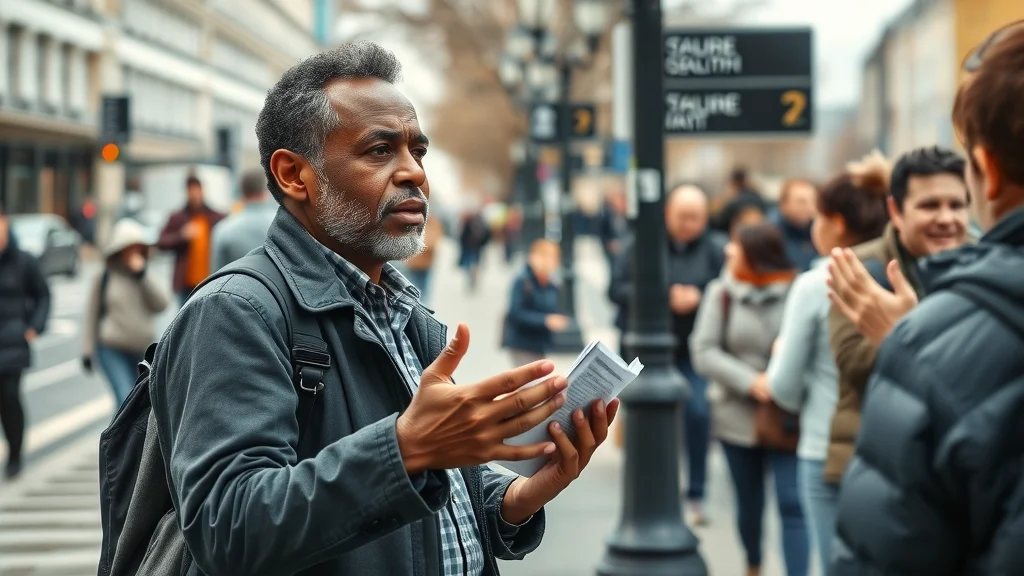
Street evangelism police interaction: Street preacher setting up near lamppost to avoid obstruction

Handling Offense and Hostility During Police Interactions

  • Offense caused by the gospel message, not the preacher

  • Balancing boldness with Christ-like responses

  • Adjusting tone or offering private discussions when met with hostility

It's not uncommon for members of the public to take offence at messages shared during street evangelism. However, the law is clear: you cannot be stopped simply because someone is offended. This offence typically stems from the gospel itself, which challenges personal beliefs and life choices, rather than the conduct of the preacher.

Steve Harris advises, “We can’t be stopped for being offensive, but we should consider if offence is the most effective way to share the gospel. ” Boldness should be paired with wisdom and grace. If hostility or provocation arises, it’s sometimes best to adapt your tone or invite individual, private conversations rather than escalating public confrontation. These Christ-like responses preserve the integrity of your message and encourage positive engagement.
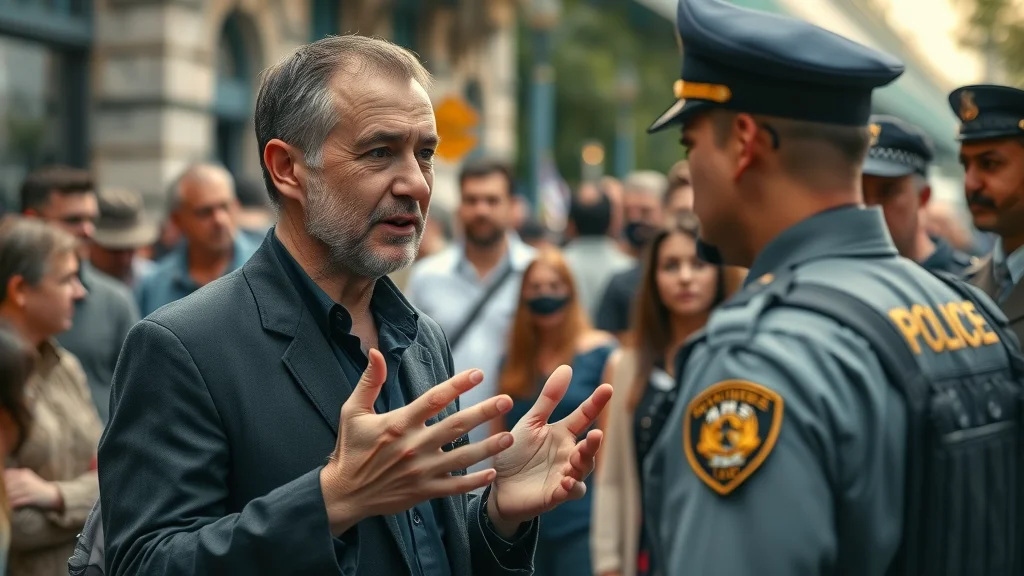
Street evangelism police interaction: Calm street evangelist responding thoughtfully to agitated bystander in presence of police

Distributing Literature and Police Interaction

  • Clean Neighbourhoods and Environment Act 2005 exemptions for religious literature

  • No consent needed from local authorities for gospel leaflets

  • Recommended actions if challenged: request written confirmation citing legal exemptions

When handing out gospel literature, some may worry about legal restrictions. The Clean Neighbourhoods and Environment Act 2005 initially created confusion by requiring consent from the local principal litter authority to distribute printed materials. However, the law explicitly exempts religious materials from this rule under section 1 (4)(b).

This means you do not need permission to hand out gospel leaflets. If challenged, it is wise to request written confirmation citing the exemption to prevent ongoing problems for yourself and other evangelists. Knowing this aspect of street evangelism police interaction helps protect your ministry and ensures free distribution of the gospel message.
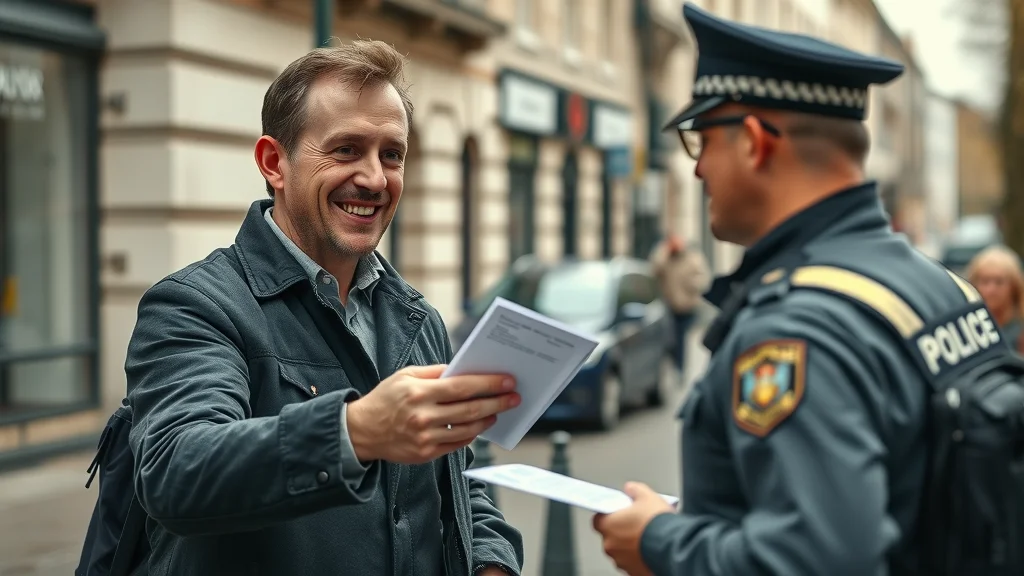
Street evangelism police interaction: Friendly evangelist handing out religious leaflets with police nearby

Best Practices When Engaging with Police Officers During Street Evangelism

  1. Remain calm and courteous when approached by police

  2. Ask politely for reasons behind any requests to stop preaching

  3. Explain your understanding of the law respectfully

  4. Seek alternative locations if necessary

  5. Avoid confrontation to foster positive police relations

Engaging well with police officers can determine how smoothly your street evangelism proceeds. Begin by staying calm and respectful—this openness helps defuse tension. Politely ask the reason behind any police requests, showing your willingness to cooperate within reason.

Communicate your understanding of your rights and seek to find common ground, such as moving to a non-obstructive area. Avoid arguing or confrontation, as Steven Harris emphasises that kindness and respect are usually reciprocated with understanding. These best practices build better relationships with law enforcement, facilitating an environment where your ministry can flourish unimpeded.

What You'll Learn

  • Your legal rights regarding street evangelism police interaction

  • How to identify lawful and unlawful police requests

  • Effective communication strategies with police officers

  • How to avoid legal pitfalls such as obstruction

  • Handling offence and hostility with wisdom

People Also Ask

  • Do I need permission to preach on the street?

  • Can the police stop me if someone is offended?

  • What should I do if the police say I am causing an obstruction?

  • Am I allowed to hand out gospel literature without consent?

  • How can I maintain good relations with police during evangelism?

Key Takeaways

  • Street evangelism is protected lawful conduct under UK law

  • Police intervention is justified only when public order is at risk

  • Respectful communication with police enhances ministry effectiveness

  • Avoid causing obstruction by choosing appropriate locations

  • Know your rights about literature distribution to prevent unnecessary conflict

Conclusion: Empowering Your Ministry Through Knowledge and Respect

Steve Harris concludes, "Preach boldly on public streets knowing your rights, and engage with police respectfully to ensure your message reaches many."

If you’re seeking to deepen your understanding of the broader challenges and opportunities facing street preachers today, it’s valuable to consider the wider context of legal risks and public perception. Exploring the impact of arrests on street preaching in the UK offers insight into how legal encounters can shape both individual ministries and the public’s view of evangelism. By learning from real-world cases and outcomes, you can equip yourself with advanced strategies to navigate complex situations and continue sharing your message with confidence and resilience.

Further Resources

  • Legal guides and Evangelical Alliance resources

  • Contact information for OAC Ministries

  • The Street Preacher’s Charter

Call to Action

  • To learn more about The Street Preacher’s Charter, visit https://the.ci/streetpreachers

Understanding how to interact with law enforcement during street evangelism is crucial for protecting your rights and ensuring your ministry’s effectiveness. The article “How to Interact with the Law Enforcement” offers practical advice on engaging respectfully with police officers, emphasizing the importance of cooperation and understanding legal boundaries. (carm. org) Additionally, the “Free Speech Rights” guide provides insights into the legal protections for public preaching, helping you navigate potential challenges while sharing your faith. (biblicalevangelism. com) By familiarizing yourself with these resources, you can confidently and respectfully conduct your evangelistic activities.

Ken Johnstone MBA BSc, Executive Editor

Community Stories

1 Views

0 Comments

Write A Comment

*
*
Related Posts All Posts
03.11.2026

Navigating the Complexities of Free Speech and Christian Values

Update Understanding Free Speech in Modern Society Free speech is a vital component of a democratic society, allowing individuals to express their beliefs and opinions without fear of oppression. In our fast-paced, interconnected world, the concept of free speech has become increasingly complex, especially concerning religious expressions and the values taught by Christianity.In 'Is this accurate on free speech?', the discussion dives into the nuances of free speech and its relationship with Christian values, exploring key insights that sparked deeper analysis on our end. The Importance of Christian Values For many, particularly those who prioritize Christian values, free speech is an extension of their faith. The teachings of Jesus emphasize love, acceptance, and truth, which influence how believers engage in conversations about challenging topics, including morality and ethics. Upholding free speech means protecting the right of individuals to share these values, even when they differ from mainstream perspectives. Challenges to Free Speech Unfortunately, the practice of free speech is not without its challenges. In recent years, there has been increasing debate about what constitutes hate speech and whether it can limit others' rights to express differing opinions. Some individuals argue that certain forms of expression, particularly in the realm of religion, can incite harm, leading to calls for censorship or restrictions. These discussions can create tensions and stir fears among Christians who worry that their beliefs may be stifled. Encouraging Dialogue and Understanding To navigate these tensions, it is essential to foster open dialogue rooted in love and understanding. Conversations must promote respect for both the speaker's beliefs and the right of others to disagree. This creates a healthy space where differing opinions can exist without inciting hostility or encouraging persecution. Current Events and the Christian Perspective Recent events around the world have illustrated the fragility of free speech. Christians in many regions face discrimination for their beliefs, and movements advocating for increased protections can sometimes inadvertently limit the very freedoms they seek to defend. Maintaining a clear understanding of how free speech operates in our society can empower believers to stand firm in their faith while advocating for their rights and those of others. Actionable Insights for Christians As individuals interested in supporting free speech, Christians can take several actionable steps: Stay informed about current events affecting religious freedoms both locally and internationally. Engage in community discussions that promote mutual understanding and respect. Support organizations that advocate for free speech and protect religious freedoms worldwide. By actively participating in these efforts, Christians can help ensure that free speech is maintained as a fundamental right, allowing them to express their beliefs without fear of retribution. Building a Foundation of Love and Empathy The discussion on free speech requires not just an advocacy for rights but a deeper understanding of love as taught in Christianity. By embodying these values, we can encourage others to listen, empathize, and engage in meaningful dialogues that foster a society where everyone feels heard and respected. As we uphold our right to speak freely, let us remember that our words should always aim to uplift rather than divide.

03.10.2026

Understanding the Call for Free Speech: Christian Values in Society

Update The Dangers of Legally Defining Speech In the recent discourse led by Lord Jackson, he confronts the troubling matter of a low threshold for prosecuting individuals based on speech, sparking essential conversations within the Christian community. He cautions us about the implications such legal measures can have on the freedom of expression, especially for those who uphold Christian values. This situation poses a unique concern: how do we navigate our fundamental rights when they intersect with our faith? As Christians, we understand the importance of speaking truth and love, yet we must recognize the potentially chilling effect these laws may have on our ability to convey our beliefs openly.In ‘This is a dangerously low threshold for prosecuting people over words,’ Lord Jackson raises crucial points about free speech that demand deeper examination and understanding within our Christian communities. Historical Context of Freedom of Speech The ethical boundaries of speech have been a topic of debate for centuries. The foundations of many democracies rest upon the right to express opinions freely. Historically, the Church has often found itself at the forefront of defending these rights, a legacy stemming from early Christian martyrs who refused to remain silent under oppression. Understanding this context allows us to appreciate the seriousness of current threats to free speech, particularly those targeting expressions of faith. The Intersection of Faith and Politics Religion does not exist in a vacuum; it interacts with every aspect of life, including politics. For believers, their faith informs how they participate in societal discourse. It's imperative that the Christian community advocates for legislative measures protecting our ability to express our beliefs. As Lord Jackson suggests, a low threshold for prosecution can lead not only to the persecution of individuals but can also dampen the loud voices necessary for righteous social change. Future Predictions: What Lies Ahead? As we look forward, it’s reasonable to anticipate a broader societal dialogue over free speech, particularly in religious contexts. Do those in power understand the ramifications of interpreting speech through a legal lens? Will faith communities band together to protect their rights? We have seen shifts in public perception and policy, and the outcomes will largely depend on how vocal and organized we become in defending the right to speak out against injustice and promote the gospel. Actionable Insights for the Christian Community So, how can the Church respond effectively to these challenges? First, awareness is crucial; congregations must stay informed about legislative changes and engage in advocacy. Second, fostering interfaith dialogue can also help build coalitions that emphasize the importance of free speech across different beliefs. These actions not only preserve our rights but also exemplify Christ’s love for all, demonstrating that truth can coexist even amidst disagreement. A Call to Action: Stand Firm in Faith The conversation stirred by This is a dangerously low threshold for prosecuting people over words. challenges us to take a stand as a community. We are called to uphold our Christian values by not standing idly by when our rights come under threat. Whether that means attending town hall meetings, engaging with public policy discussions, or encouraging our fellow believers to voice their opinions, it’s time for us to act. Together, let’s create a society that honors not only our right to speak but also the essential truths of our faith.

03.09.2026

How Law Enforcement Views Street Evangelism: Perspectives and Practical Advice

Street evangelism often sparks deep emotions—passion, fear, misunderstanding. Understanding law enforcement’s perspective isn’t just about rules; it’s about respecting community safety and freedom. This insight bridges gaps, ensuring your message reaches hearts without conflict, creating safer, more respectful public spaces for all voices.Opening: The Intersection of Street Evangelism and Law EnforcementTaking the step to proclaim the gospel through street evangelism can stir many feelings—not least questions about legal rights and how police officers will respond. For many evangelists, clarity on the “police perspective street evangelism” can be reassuring and empowering.Steve Harris of OAC Ministries, who has preached across England and Wales for over a decade, shares a reassuring message: the police are generally supportive and not looking to hinder genuine preaching efforts. In fact, it is common for officers to simply observe and carry on, recognising the lawful right to share the Christian faith publicly.This perspective is vital because it can dispel fears and encourage evangelists to engage respectfully and confidently in public places, knowing that their lawful activities are protected and valued within community safety frameworks.Police officers calmly observing a street preacher in an urban environment, exemplifying a respectful and neutral police perspective on street evangelism.Overview of Police Perspective on Street Evangelism and Public Order"The police aren't out to get us. I've preached for over twelve years and never once been stopped by police simply for preaching." — Steve Harris, OAC MinistriesStreet evangelism walks a fine line between exercising freedom of speech and maintaining public order. Police officers often approach this balance with an intent to preserve peace without unnecessarily restricting lawful activities like sharing the gospel.The police generally acknowledge that preaching the gospel is a lawful conduct and that any issues typically arise not from the preacher but from reactions caused by bystanders. As Steve Harris explains, their role is to discern where any public disturbance originates and to act accordingly, often facilitating peaceful expression of faith on public streets.Clarifying Public Order and Its Impact on Street PreachersUnderstanding public order is crucial for evangelists. It refers to the peace, safety, and decency of public spaces. Police focus on preventing breaches of peace, such as violence or threats, rather than suppressing lawful speech.When a preacher is simply speaking on a public footpath or street, police tend to interpret that as lawful and protected speech. Problems only occur if a breach of peace appears imminent, often from oppositional crowds rather than the preacher themselves. Recognising this dynamic allows evangelists to remain calm and lawful while being aware of the atmosphere around them.Police and street preacher interaction demonstrating mutual respect and understanding of public order responsibilities.Legal Rights and Restrictions for Street Preachers in Public SpacesPreaching on Public Streets vs. Private PropertyIt is important to distinguish between preaching on a true public street and on private property that might feel like a public space. Public streets do not require permission for preaching the gospel. This right is well established under UK law, allowing evangelists to freely share their message.However, places like shopping centres may look like public areas but are privately owned, requiring permission to preach. Similarly, some public parks might enforce bylaws restricting preaching, which will be posted visibly if applicable. Evangelists should check the status of locations before setting up to avoid conflicts and respect property rights.Handling Offense and Hostility During Evangelism"The gospel is offensive because it challenges people’s self-sufficiency, but we should never be offensive ourselves. Our goal is to win people to Christ." — Steve Harris, OAC MinistriesConfronting offense is often a part of street evangelism. While the gospel message can be challenging and offensive to some, this does not justify being offensive in approach or words. The goal remains to win hearts through respectful communication rather than confrontation.Steve Harris advises adapting evangelism styles based on the response of the audience. Sometimes boldness is needed, other times a gentler, more personal conversation is more effective. The emphasis is on maintaining a Christ-like approach that encourages rather than provokes hostility.Street preacher engaging respectfully with listeners, embodying the balance needed to maintain positive public and police interactions.Criminal Law and Public Order: Key Case InsightsThree Legal Considerations for Street EvangelismIs there an imminent threat of breach of the peace?Is the threat coming from the preacher or the crowd?Is the preacher pursuing lawful conduct?In the landmark case Redmond-Bate v Director of Public Prosecutions (1999), the courts clarified how these factors determine the legality of street preaching. The ruling reinforced that if disorder or threats arise, the party causing the threat (often bystanders rather than preachers) should be addressed by law enforcement. The preacher's right to lawfully conduct evangelism is protected from unjust interference.This key ruling empowers evangelists, confirming their conduct is legal as long as it remains peaceful and lawful, and any threats from bystanders cannot be used as grounds to stop preaching unfairly.Civil Law and Obstruction: Practical Advice for Street PreachersPreacher setting up near existing street furniture to avoid obstruction and comply with civil law.Best Practices to Avoid ObstructionSet up near existing street furniture to minimize additional obstructionChoose wide, open areas for preachingMonitor crowd size to prevent blocking pedestrian flowThe civil law, particularly under the Highways Act 1980, Section 137, forbids willful obstruction of free passage along the highway. Preachers must therefore be mindful to avoid blocking pavements or streets, especially during peak times or narrow paths.Steve Harris shares practical advice from OAC Ministries — setting up near lampposts or benches incorporates the preaching spot naturally into the environment without adding new barriers. Evangelists should always consider the size of their audience and whether pedestrians can pass freely to stay on the right side of the law and police expectations.Preacher positioned to allow free pedestrian movement demonstrating respect for public space and laws.Distributing Literature: Understanding Relevant LegislationDistributing gospel literature is another common evangelism activity, and it too is legally protected. The Clean Neighbourhoods and Environment Act 2005 includes provisions about leafleting but carves out an exemption for religious material. This means gospel leaflets can be freely handed out without requiring consent from local authorities.If challenged, evangelists should refer to section 1, part 4(b) of the Act and may request a written apology or clarification from officials to protect future activity. This legal protection supports the important practice of sharing faith through printed material as an extension of street evangelism.Engaging Respectfully with Police During Street Evangelism"If police ask you to stop, don’t argue. Calmly ask why and explore ways to continue preaching respectfully." — Steve Harris, OAC MinistriesInteractions with police officers during evangelism should be approached with calmness and respect. Officers are typically motivated by a desire to keep public order and not by opposition to preaching.Steve Harris encourages evangelists to listen carefully to police concerns, ask clarifying questions, and work collaboratively to find solutions that enable preaching to continue legally and peacefully. Being courteous helps maintain a good relationship and avoids unnecessary conflict.For those seeking a deeper understanding of the specific legal protections and practical steps for sharing the gospel in public, it’s helpful to review a comprehensive guide on street preaching legal rights in the UK, which outlines how to share your faith safely and confidently.People Also Ask: Common Questions About Street Evangelism and LawIs it legal to preach in public in the UK? – Yes, preaching on public streets is lawful under freedom of speech protections.What are the five P's of evangelism? – Prepare, Pray, Personalise, Persist, Present.Does the Bible say not to preach on street corners? – The Bible mentions preaching on street corners but does not forbid it; it encourages sharing the gospel broadly.What does the Bible say about police? – The Bible encourages respect for authorities as God’s servants, maintaining peace and order.Key Takeaways: Navigating Police Perspective Street EvangelismAspectKey PointExpert AdvicePolice AttitudeGenerally supportive if public order maintainedBe respectful and cooperativeLegal RightsNo permission needed on public streetsConfirm public vs private propertyObstructionAvoid blocking pedestrian flowUse street furniture to minimize obstructionOffenseGospel may offend but is protectedBe mindful of tone and approachLiterature DistributionReligious leaflets exempt from consent lawsKnow your rights to distributeConclusion: Embracing Freedom with Responsibility in Street EvangelismYou have the legal freedom to share the gospel openly. By respecting public order, avoiding obstruction, and engaging police courteously, you can preach confidently and safely in public spaces.To learn more about The Street Preacher’s Charter, visit https://the. ci/streetpreachersIf you’re interested in the broader context of how legal frameworks shape street evangelism, exploring what most people overlook about the Street Preacher’s Charter can offer valuable perspective. This resource delves into the foundational principles and lesser-known rights that underpin public gospel outreach in the UK. By understanding these deeper legal nuances, you’ll be better equipped to navigate challenges and make the most of your evangelistic opportunities. Take your knowledge further and discover how the Charter continues to empower street preachers today.SourcesHighways Act 1980, Section 137Clean Neighbourhoods and Environment Act 2005, Section 1Redmond-Bate v Director of Public Prosecutions (1999)OAC MinistriesUnderstanding law enforcement’s perspective on street evangelism is crucial for effective and respectful public ministry. The article “How to Interact with the Law Enforcement” provides practical advice on engaging with police officers during street preaching, emphasizing the importance of respect and cooperation to ensure that evangelistic efforts remain uninterrupted and within legal boundaries. (carm. org) Additionally, the “Handbook for Street Evangelism” offers comprehensive guidelines on conducting public ministry, including strategies for interacting with authorities and maintaining public order. (steiger. org) These resources equip evangelists with the knowledge to navigate legal considerations and foster positive relationships with law enforcement, enhancing the effectiveness and safety of their outreach activities.

Terms of Service

Privacy Policy

Core Modal Title

Sorry, no results found

You Might Find These Articles Interesting

T
Please Check Your Email
We Will Be Following Up Shortly
*
*
*