Add Row
Add Element
cropper
update

Biblical Living Unlocked

Logo - Biblical living unlocked
update
Add Element
  • Home
  • Categories
    • Biblical Parenting
    • Parenting Tips
    • Family Fellowship
    • Bible Teaching
    • Apologetics
    • Community Stories
    • Youth Focus
    • International
    • Walton Evangelical Church
    • Salt Church Mar Menor
    • Salt Church Los Montesinos
    • John Piper
Add Element
  • Ken on Facebook
    update
  • update
  • update
  • update
  • update
  • update
  • update
June 05.2025
3 Minutes Read

Behind the Scenes of Faith: Trusting the Bible Amidst Challenges

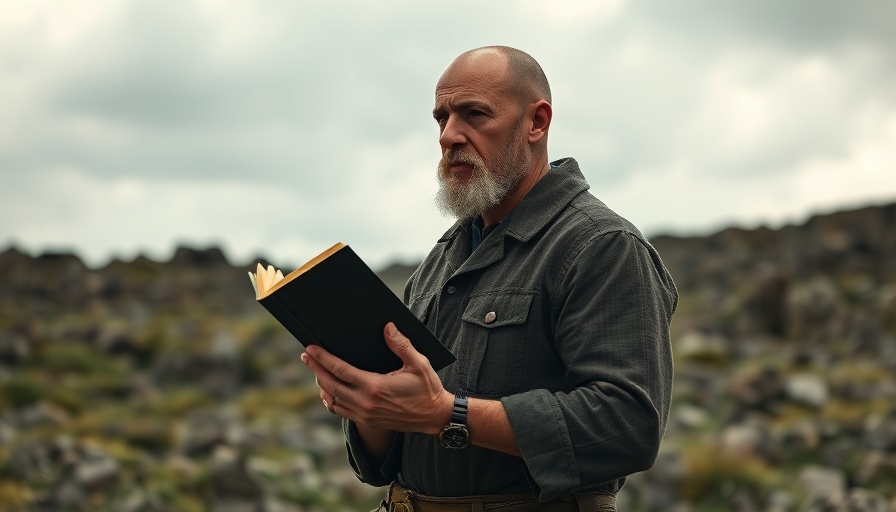
Contemplative man holding a book, questioning 'Can I Trust the Bible'.

Exploring Nika: A Historical Perspective on Filming

Nika is not just a backdrop for storytelling but a significant historical site where critical moments in church history unfolded. The council convened here in the early 4th century AD to address persistent theological disputes within the Christian faith. Its significance deepens the experience for those involved, particularly in light of the recent discoveries that point to a basilica tied to that very council. This setting offers a unique lens through which we can appreciate the complexities of faith and the historical context that shapes our understanding of Christianity today.

In 'Behind the scenes filming Can I Trust the Bible Episodes 3 & 4,' the challenges of filmmaking highlight the intricate relationship between faith and its historical context.

Understanding Modern-Day Persecution in Context

As we followed the filming process in Nika, an unforeseen challenge emerged—a government official questioned our filming permits. Despite assurances about their validity, we feared that this was a subtle form of persecution aimed at a project about Christianity. This situation sheds light on the various forms persecution can take today, from the mildest disapproval to outright obstruction of faith expressions. It reminds us that while overt persecution may appear to be declining in some regions, there are still barriers faced by those who promote religious narratives, especially in secular or hostile environments.

The Plight of Christian Filmmakers

The incidents experienced while filming are a reality for many Christian filmmakers today. They often face hurdles that require not just creative solutions but also a courageous spirit to navigate the challenges posed by misunderstanding or lack of acceptance. This backdrop speaks to a broader community of artists who are dedicated to sharing stories of faith and spirituality amidst rising skepticism in culture.

Faith, Doubt, and the Quest for Truth

The filming process posed an intriguing question: Can we trust the Bible? This inquiry sits at the intersection of belief and skepticism—an exploration worthy of deep meditation. As believers, seekers, or cultural critics, our engagement with biblical texts compels us to scrutinize historically and socially the narratives we hold as sacred. The roadblocks faced during our Nika expedition serve to heighten this awareness, prompting deeper engagement with our truths. For anyone examining faith, this journey can illuminate paths previously untrodden, marrying intellectual inquiry with spiritual exploration.

Engagement Through Storytelling

The act of storytelling carries profound value, especially regarding faith traditions. For youth, college students, and all generations seeking truth, witnessing the behind-the-scenes efforts in Christian filmmaking can provide inspiration. It showcases a dedication to truth generation, allowing teachings to resonate deeply. Each story told has the potential to invite discourse, inspire belief, and encourage fellowship within the communities we are part of.

Conclusion: Stand Firm in Faith

In light of the obstacles faced during the filming in Nika, one cannot help but feel invigorated to seek out what is true, validated by history and robust discussion. Whether you are a believer affirming your faith or someone seeking to understand different perspectives, there is value in exploring the stories and insights shared through films addressing Christian themes. It’s critical for us to continue conversations about these narratives and share our insights with others, reminding ourselves and those around us that our faith journey is indeed intertwined with history.

Engage with these ideas, discuss these narratives with others, and let’s strengthen our collective understanding of faith, conflict, and trust in the biblical texts.

Apologetics

16 Views

0 Comments

Write A Comment

*
*
Related Posts All Posts
11.18.2025

Modern Whale Encounter Sparks Discussions on Faith and Miracles

Update Understanding the Tale: Biblical Significance of Jonah and the WhaleIn the story of Jonah, one of the minor prophets in the Old Testament, we encounter a narrative that has captivated audiences for centuries. It's a tale that not only illustrates the concept of divine mercy but also serves as a compelling lesson about obedience and the consequences of running from one’s calling. When Jonah attempts to evade God’s instructions and flees to Tarshish, the infamous episode of being swallowed by a great fish—often referred to as a whale—emerges. This scriptural account isn't merely a fantastical story; it encourages reflection on our individual responses to God’s direction in our lives.In 'Modern Example of Someone Swallowed by a Whale', the discussion dives into contemporary connections to faith and resilience, exploring key insights that sparked deeper analysis on our end. The Modern-Day Parallel: Real-Life Accounts of Life and FaithThe recent news regarding a diver who claims to have been swallowed by a whale serves as an extraordinary modern-day parallel to Jonah's ancient narrative. While skeptics might dismiss this incident as merely sensationalist, it opens a fascinating conversation on the intersection of faith, science, and the supernatural. The diver, after being released unharmed, emphasizes themes of survival and divine intervention, resonating with the biblical account where Jonah was preserved in the belly of the fish for three days. This real-life experience revives age-old discussions on miracles, pushing believers and skeptics alike to ponder the role of faith in contemporary contexts.Drawing Lessons: Faith and Resilience in AdversityThis astonishing story highlights the significance of faith and resilience. In today's fast-paced world filled with distractions and challenges, these narratives—both ancient and modern—serve as motivational reminders that there is profound meaning in difficult experiences. Just as Jonah emerged transformed from the belly of the fish, often individuals who encounter life-threatening situations also report a deeper appreciation for life and a renewed sense of purpose. Such stories of miraculous survival can encourage youth and college students to cultivate resilience and maintain faith, even when faced with seemingly insurmountable obstacles.Exploring Diverse Perspectives: Faith Within SkepticismThe tale of Jonah and the diver's experience prompts a discussion around skepticism and belief. For non-Christians and skeptics, these narratives may evoke questions regarding the plausibility of divine involvement in everyday life. Are these mere coincidences, or do they testify to something greater? John Piper, a well-known theologian, invites us to grapple with the deeper meanings and implications of our beliefs, posing that faith is about much more than accepting miraculous occurrences; it’s also about experiencing a personal relationship with the divine.The Call to Action: Seeking Spiritual DepthIn light of such narratives, we are encouraged to deepen our spiritual journeys. Whether you identify as a believer seeking to strengthen your faith or as someone exploring religions and philosophical questions, these accounts provide a starting point for inquiry. Inquiry can lead to conversations that broaden our understanding and enhance our appreciation for the mysteries of life. Consider how you might share these insights within your community or to youth in your church, fostering discussions that explore the relationship between faith and modern-day experiences.As we reflect upon these tales, we acknowledge that they resonate on many levels, from historical to personal. Let us engage in dialogues that allow us to explore what it means to have faith today, just as it did in ancient times.

11.17.2025

Deciphering Humanity's Language: Insights from the Rosetta Stone

Update Unlocking the Secrets of Human Existence: The Rosetta Stone's Impact In the heart of Egypt lies Rashid, famously known as Rosetta, the very place where one of history's most pivotal discoveries emerged—the Rosetta Stone. Originally thought to merely be a stone fort, this artifact would become the key to understanding lost languages, including Egyptian hieroglyphics, a dead language for over a thousand years. The stone wasn’t just a linguistic tool; it was a bridge connecting ancient wisdom to contemporary understanding, shedding light on mankind's quest for meaning and connection.In 'The Rosetta Stone: Deciphering Our Humanity,' we explore the profound insights surrounding the connection between lost languages and our understanding of purpose, leading to this deeper analysis. From Obscurity to Clarity: The Resurrection of Language When Napoleon invaded Egypt in 1798, his troops stumbled upon the Rosetta Stone during their endeavors along the Nile River. Containing inscriptions in three different languages—Greek, Demotic, and hieroglyphic—the stone offered scholars a rare opportunity to decode a language that had long been rendered silent. Initially, the fragmented understanding of hieroglyphics stemmed from a misconception that it was purely pictographic, akin to modern emojis. However, this stone revealed a phonetic counterpart, empowering scholars like Thomas Young and Jean-François Champollion to decode its linguistic treasure. The Power of Dynamic Meaning The Rosetta Stone presents an intriguing lesson on the vitality of language. Unlike dead languages that stagnate into silence, living languages remain dynamic and capable of adapting and conveying new meanings. In comparison, it begs the question: how do we understand not only languages but also the meaning of our lives? Just as the Rosetta Stone enabled the revival of Egyptian hieroglyphics, our engagement with faith can revive our understanding of humanity. The Meaning Behind the Message Deciphering the stone led to the realization that hieroglyphics were not merely symbols but profound expressions of life. Just as each hieroglyph carried its own significance, so does every person's life hold intrinsic value shaped by relationships and moral character. This mirrors the teachings of Jesus, who emphasized love and community, illustrating that our existence finds purpose through our connections with others and with God. Lessons from the Past: Connecting with Modern Humanity Many people today grapple with feelings of disconnect from the divine and each other. With the world more interlinked through technology but emotionally fragmented, the insights drawn from the Rosetta Stone resonate deeply. The revival of a 'dead language' becomes a metaphor for rejuvenating relationships that matter. Just like the intricacies of Egyptian hieroglyphics lay dormant without understanding, human purpose and community thrive when we actively engage with one another and God. The Call for Resurrection: From Death to Purpose At its core, the Rosetta Stone serves as a reminder of how vital it is to revive what was once thought lost. The journey to understanding requires effort, just like decoding a language does. In Christian thought, humanity’s moral framework was initially obscured, much like a dead language. However, through the teachings of Jesus, believers gain insight into living purposefully. He exemplifies what it means to exist in love and righteousness, offering us a path to restore our relationships with God and each other. Join the Journey of Faith and Understanding The journey of understanding who we are encompasses questions about purpose, relationships, and community. Each of us holds the capacity to breathe new life into what seems lost. Just like researchers reviving a language, you can explore faith's depths and reflect on how it shapes your life. If you are seeking deeper meaning and genuine connections, consider how faith may enrich your journey. Engage with your community, explore conversational faith, and build relationships that reflect the love instilled through the teachings of Jesus. Together, we can unlock not just ancient messages, but the very essence of what it means to be human.

11.17.2025

Exploring the Seriousness of Mocking God: A Call for Reverence

Update Understanding the Depth of Mockery Toward God In the provocative discussion surrounding the video titled Mocking God, we are prompted to consider the seriousness of how we approach the divine. Mockery, often seen as mere jest, can carry deeper implications, especially about faith and our understanding of the Lord’s majesty. The video presents a critical look at the practice of mocking God, encouraging us to analyze our perceptions and behaviors in relation to divine reverence.In Mocking God, the discussion dives into the seriousness of how we approach God, exploring key insights that sparked deeper analysis on our end. The Impact of Mockery on Faith To fully grasp the issue, it's essential to explore the relationship between mockery and faith. When individuals mock God, they convey messages that can diminish the sacredness attributed to Him. This diminishes not only personal faith but also affects the community of believers. Church leaders, like John Piper, emphasize the importance of honoring God in our speech and actions. Such acts of mockery could lead to a slippery slope, where respect for God is eroded, fostering spiritual apathy among the faithful. Historical Context: Mockery of the Divine Throughout history, expressions of mockery toward God have appeared in various forms, from literature to theater. These cultural critiques often stem from a misunderstanding or misrepresentation of scripture. Biblical texts show instances of those who mocked God, like the Philistines in the story of Goliath, who paid a heavy price for their insolence. Understanding these narratives can lend historical weight to modern expressions of mockery, showing that they can lead to divine judgment and consequences. Counterarguments: Humor vs. Offense Some argue that humor can coexist with genuine belief, suggesting that poking fun at religious practices does not necessarily equate to disrespecting God. However, there is a fine line between humorous critique and outright mockery. It's essential to reflect on the intention behind our words. Are we fostering a spirit of love that promotes healthy discussion about faith, or are we dismissing the sacred by trivializing it? Understanding this balance might help safeguard against crossing over into offense. Social Connection: Disrespect in Contemporary Culture In contemporary culture, mocking God is often normalized in media and entertainment. Jokes about faith or religion can permeate conversations, presenting an underlying problem of normalization of disrespect. Understanding this cultural phenomenon is vital for believers, especially for families raising children in such an environment. Teaching biblical principles of respect and reverence can help instill a strong foundation against cultural tides that may promote mocking behavior. Future Insights: How Will This Impact Religious Discourse? Looking ahead, the challenge remains on how future generations will interpret and relate to worship. Will the normalization of mockery lead to a decline in reverence for God, or will it inspire believers to defend their faith more passionately? The development of faith communities that actively engage with these issues is crucial in shaping a future where respect for the divine is paramount. Church leaders must guide discourse towards honoring God, instilling a sense of accountability in congregations and fostering discussion that nurtures reverence. Lessons for Today's Believers For believers today, understanding the concept of mocking God is not just about rejecting humor at His expense; it requires an introspective look at our behaviors. This includes how we engage with both our faith and the broader culture. Believers are called to uphold a standard of grace and respect in their communities, which extends to public discourse and interactions. Encouraging thoughtful discussions within the church about the dignity of God maintains a respectful framework while navigating increasingly secular spaces. Conclusion: Upholding Reverence in a Mocking World In conclusion, the dialogue stirred by Mocking God opens a critical examination of how we honor God in both personal and communal aspects of our lives. Reflecting on this relationship helps shape our faith journey, allowing believers to foster an atmosphere of respect and reverence in unison with God’s unchanging truth. As we continue to explore these themes, let’s engage in thoughtful discourse that respects our Creator while navigating a world that often trivializes Him. Engage your community in discussing the implications of mockery toward God and how it affects faith. Understanding these dynamics can inspire transformative conversations that not only reverberate within the church but also resonate beyond its walls.

Terms of Service

Privacy Policy

Core Modal Title

Sorry, no results found

You Might Find These Articles Interesting

T
Please Check Your Email
We Will Be Following Up Shortly
*
*
*