Add Row
Add Element
cropper
update

Biblical Living Unlocked

Logo - Biblical living unlocked
update
Add Element
  • Home
  • Categories
    • Biblical Parenting
    • Parenting Tips
    • Family Fellowship
    • Bible Teaching
    • Apologetics
    • Community Stories
    • Youth Focus
    • International
    • Walton Evangelical Church
    • Salt Church Mar Menor
    • Salt Church Los Montesinos
    • John Piper
    • News & Offers
Add Element
  • Ken on Facebook
    update
  • update
  • update
  • update
  • update
  • update
  • update
October 16.2025
3 Minutes Read

A Prayer of Thanks from Gaza: Celebrating Hope After War's End

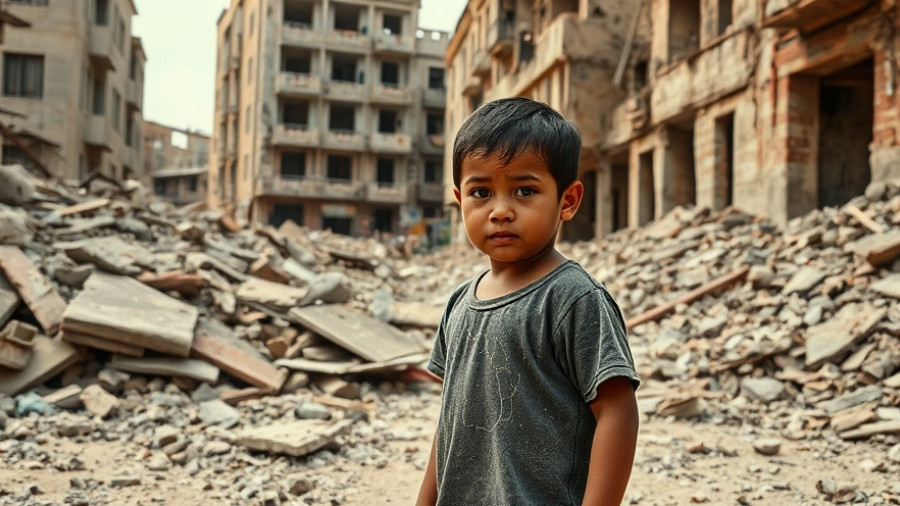
Child standing among ruins, prayer for peace in Gaza.

Finding Hope in Despair: A Prayer of Thanks from Gaza

In an atmosphere thick with relief and lingering uncertainty, Christians in Gaza have offered prayers of gratitude and hope following the announcement of peace. After two grueling years of war between Hamas and Israel, the recent ceasefire has ignited a complex mix of emotions—thankfulness for survival but also a recognition of the immense challenges that lie ahead.

A Christian living in Gaza, who has sought refuge in the Orthodox church, beautifully articulated this duality of experience. "Finally, the war has ended, and the worst days in the life of every person living in Gaza are over," they said, invoking a profound sense of divine care amidst the chaos. This declaration, echoed by a community bound together by faith, speaks to not only the struggles endured but also the active hope they maintain for a brighter future.

An Intercession for the Grieving

The heart of this prayer resonates deeply within a community that has chosen to remain steadfast despite the unimaginable hardships. “We thank the Lord that we were protected in His church,” the believer continues, praying for those who have lost loved ones. Such a reflective cry for comfort emphasizes the unique struggles faced by Christians in Gaza, with over 80% of their homes reported as either severely damaged or completely destroyed. This devastation forces them to continue residing within the protective walls of their churches, waiting to see what the future holds.

The prayer not only addresses their immediate needs but also acknowledges the trauma inflicted upon the entire population. "Comfort the hearts of everyone who has lost someone dear to them; may the touch of the Lord strengthen their weakness and support them,” they beseech. This poignant belief illustrates the critical intersection of faith, community, and healing as they navigate the aftermath of such conflict.

The Landscape of Fear and Hope

Chris, a representative from Open Doors, shares the ongoing tension in Gaza. Despite the ceasefire holding, instability lingers as the borders remain closed, trapping many inside. “The situation is unstable,” Chris reveals, “Christians are still inside the two churches waiting to see what will happen in the near future.” This instability provokes fear yet also cultivates resilience and faith amongst those enduring it.

Throughout the war, the local church community has become a lifeline, offering food and care not only to fellow Christians but also to their Muslim neighbors. It exemplifies a shared humanity that persists amid division, reminding all of the universal longing for peace. "They still feel there is hope for a better future," notes Chris, reinforcing that amidst the ruins, there is a flicker of enduring faith.

Building Bridges in a Divided Land

The ongoing situation underscores the need for collective prayers for peace, a desire voiced strongly within the Christian community globally. From individual prayers in support of those in Gaza, to organized intercessions echoed at churches around the world, the mission-minded individuals and advocacy enthusiasts are called to actively participate in fostering peace and support. The heartfelt prayer encapsulates an urgent plea for healing, restoration, and a pathway forward: “Lord, Your peace prevail, and please strengthen our weakness because You are our strength.”

The Power of Prayer and Solidarity

As we reflect upon the testimony from Gaza, it becomes paramount to recognize our shared responsibility in advocating for peace. This prayer extends beyond Gaza’s borders, asking for divine intervention to fulfill the essential needs of the people—food, shelter, and companionship. It reinforces the community’s unwavering spirit while subtly calling all of us to reflect on our roles as peacemakers in our own contexts.

As we conclude this moment of reflection, consider how you can contribute to supporting the persecuted church and advocating for lasting peace in areas of conflict. Engage in prayer, outreach, and support efforts to help those in need, ensuring that their voices and hopes are amplified. Together, we can help transform their prayers into realities.

International

6 Views

0 Comments

Write A Comment

*
*
Related Posts All Posts
01.18.2026

Tragic Toll of 5,000 Deaths in Iran Protests: A Call to Awareness

Update Iran Protests: Escalating Violence and a Heavy Death Toll Recent protests in Iran have escalated to a shocking level, with an Iranian official confirming that at least 5,000 people have died during the demonstrations. This staggering figure underscores the severity of the unrest that has engulfed the country, which began late last year due to widespread anger over the collapsing economy. As protests swelled nationwide, calls for governmental change reverberated through cities, leading to brutal crackdowns from the authorities. Understanding the Unrest The protests initially sparked from economic grievances, such as soaring prices and unemployment, but quickly evolved into widespread demands for political reform. Reports indicate that these protests are particularly intense in the Kurdish majority regions of Iran, which have historically faced tension with the government. Activists and various rights groups, including HRANA, have reported that security forces have used lethal force against demonstrators, exacerbating the situation further. The Role of Government Response In a chilling demonstration of force, the Iranian government has shut down the internet to stifle communication among protesters and control the narrative. This blackout has heavily restricted information flow both within Iran and internationally, contributing to a sense of isolation amidst calls for freedom. An anonymous Iranian official accused “foreign hands” in the unrest, specifically naming Israel and other international entities as instigators of the violence, despite ample evidence of civilian protests against their own government. The International Response This brutal suppression has drawn international condemnation, with leaders and rights organizations urging the Iranian government to respect human rights and allow for peaceful assembly. U.N. Secretary-General António Guterres expressed shock at the violence, emphasizing the need for the Iranian authorities to protect the rights of their citizens. Meanwhile, former U.S. President Donald Trump openly criticized Iran, threatening intervention if the government continues its violent crackdowns. Documenting the Loss The humanitarian crisis following these protests is indeed severe, as deaths continue to rise and families mourn their losses in silence. Accounts from human rights groups indicate piles of bodies waiting for identification in morgues—an image that starkly highlights the tragedy unfolding. The Iranian regime's response has been characterized not just by repression of dissent, but also by disregard for the dignity of those lost. Acts of violence against both protestors and bystanders have left an indelible mark on the collective psyche of the nation. Understanding the Broader Implications The conflict isn't just geo-political; it permeates into the very fabric of Iranian society, affecting religious, cultural, and individual rights. As a community invested in justice and human rights, it is crucial for globally aware Christians and social justice advocates to remain engaged with the unfolding situation. This ongoing unrest challenges not only the Iranian government but also the international community's response and responsibility towards humanitarian crises. How Can We Respond? As individuals and organizations committed to supporting human rights, it’s imperative to advocate for those suffering under oppressive regimes. By remaining informed, participating in discussions, and directly supporting organizations working towards human rights advancements, we can contribute positively to global awareness of this crisis. In conclusion, the situation in Iran serves as a potent reminder of the struggles faced by those yearning for freedom and their right to self-expression. As we reflect on these events, let us commit to standing in solidarity with the Iranian people and advocate for their rights amidst the chaos.

01.18.2026

Discover the Hidden Challenges Christians Face Beyond the World Watch List 2026

Update Understanding the Persecution Beyond the Top 50 Every year, the World Watch List by Open Doors highlights the 50 countries where Christians endure the most severe persecution. However, it’s crucial to acknowledge that persecution exists beyond this list, affecting numerous other countries where Christians are also in danger. In 2026, countries ranked from 51 to 60 also show high persecution scores, exemplifying the ongoing struggles faced by believers worldwide. Decoding the World Watch List Rankings The ranking system by Open Doors uses a comprehensive methodology that examines various facets of a Christian's life, including violence, national and church life, and private and family life. A score above 40 signifies serious threats, with 81 countries scoring this high in 2026. This means that believers in these nations, even if not in the top 50, are still subjected to harsh realities as they navigate their faith amid societal pressures and government restrictions. Countries Outside the Most Dangerous List: The Needs of 51-60 Among those outside the coveted top 50 are Malaysia (51), Azerbaijan (52), Tanzania (53), Kenya (54), and several others, each exhibiting unique challenges. For instance, Malaysia reports a troubling increase in church attacks, while Azerbaijan persists with government-imposed restrictions that isolate and monitor Christians. Tanzania's political environment, marked by rising tensions, forces many converts to flee from religious persecution. The Impact of Global Trends on Persecuted Christians While Open Doors sheds light on countries like Syria and Nigeria which occupy the top ranks for extreme persecution, it’s vital to recognize the broader implications of these trends. In recent years, a shared global sentiment of extremism and intolerance has surged, particularly in regions experiencing political instability. This creates a fertile ground for persecution to flourish, with organized crime and state corruption compounding the risks faced by Christians. Spiritual Resilience Amongst Adversity Despite the profound challenges highlighted in the World Watch List, many believers continue to exhibit remarkable resilience and faith. In Malaysia, for example, the recent legal victories in the case of Pastor Raymond Koh offer hope amid the bleak landscape of persecution. This resilience can inspire communities of faith around the world to support their fellow believers during complicated times through prayer and advocacy. Strengthening the Global Church Through Advocacy Believers and advocates can amplify their efforts by praying specifically for those living under daily threats. Since each of these countries possesses its unique cultural and theological contexts, tailored prayer approaches might foster better understanding and connectivity among Christians worldwide. Open Doors emphasizes that prayers can penetrate the barriers of location and politics, providing comfort to those in dire need. How Can You Make a Difference? Awareness is vital. Learning about the experiences of Christians outside the top 50 countries can galvanize action and facilitate international advocacy initiatives. Engaging in advocacy means reaching out to local representatives and raising voices on behalf of those who cannot speak. Meanwhile, supporting organizations that assist persecuted Christians can create tangible change and offer direct aid to communities facing persecution. Conclusion: A Unified Call to Action As the global landscape evolves, it’s imperative for believers everywhere to unite in speaking up for and supporting our brothers and sisters in Christ facing persecution. Whether through prayer, advocacy, or financial support to organizations monitoring and aiding persecuted Christians globally, every action helps break through the silence surrounding these important issues. Our collective efforts can provide strength and encouragement as we work toward a future where all Christians can practice their faith freely and without fear.

01.17.2026

Iranian Exile Urges Israel to Support Regime Change: A Call for Justice

Update The Call for Justice: An Iranian Exile's AppealIn a haunting plea for action, a prominent Iranian exile has urged Israel to intervene in the critical struggle against the oppressive regime of Iran. This individual represents a growing sentiment among citizens who feel besieged by government crackdowns on their freedoms and rights. The call comes amidst growing protests in Iran, where citizens are demanding greater personal liberties and an end to authoritarian governance.The Societal Cracks of a RegimeThis appeal highlights not only the struggles of the Iranian people but also the significant weaknesses within the Iranian regime itself. As the country faces various internal challenges, including economic hardships, dissent is rising. The regime’s harsh response to protests only ignites the fire of rebellion further.The Iranian government is often portrayed as a monolithic power; however, this image is breaking apart. Discontent among the population—a blend of youth wanting change and local communities suffering under draconian laws—has become increasingly visible. The calls for a more democratic governance structure echo the frustration of a population long repressed.International Responsibility and SupportFor those of us with a keen eye on global human rights, this situation presents a moral challenge. Should nations, particularly those with strong ties to Iran's diaspora, step in to support the followers of freedom? The Iranian exile sees Israel as a beacon of hope—a staunch advocate for democracy and human rights in the region. Invoking this notion might resonate deeply with readers who prioritize social justice and theological perspectives grounded in compassion.The Role of Faith and AdvocacyChristians and faith-based advocates play a vital role in the global dialogue surrounding justice and advocacy for the oppressed. Their involvement can help amplify voices yearning for liberty and support the persecuted individuals suffering under repressive regimes like that of Iran. This call for action compels the community to consider how they can contribute to the plight of others while staying informed on the political dynamics at play.Future Predictions: What Lies Ahead?Looking toward the future, it is plausible to expect increased activism from both within Iran and abroad for democratic reforms. The combination of an energetic youth eager for transformation and the hard truths of an economy in decline may lead to even larger protests.Israel, as a significant player in Middle Eastern politics, may find itself at a crossroads—balancing diplomatic relations with the need to support humanitarian efforts. Engaging in a proactive stance could empower voices from the Iranian diaspora and foster interfaith dialogues that amplify calls for social justice.Conclusion: Take Action for ChangeThe Iranian exodus of voices stands as a stark reminder of the power of dissent. As believers committed to justice and humanitarian efforts, we must not turn a blind eye but instead tap into our networks and advocate for hope and change. By acting collectively, drawing upon faith principles rooted in compassion and empathy, we can contribute to a more just landscape not just for Iranians but for persecuted communities worldwide.Let the call for action be a door that opens to advocacy, dialogue, and support for those yearning for freedom. By understanding the complex web of issues surrounding the Iranian regime, the faithful can respond with empathy and articulate a response that honors every individual’s inherent dignity. The time to act is now—support those struggling for their voices to be heard, for their freedom to be realized.

Terms of Service

Privacy Policy

Core Modal Title

Sorry, no results found

You Might Find These Articles Interesting

T
Please Check Your Email
We Will Be Following Up Shortly
*
*
*